
to support the country’s frontline healthcare workers in a meaningful and timely way. Known for portraying the dedication, compassion and resilience of NHS staff through gripping fictional storylines,
the two acclaimed dramas demonstrated that their commitment to Britain’s healthcare service extended far beyond entertainment by donating valuable medical equipment and protective supplies
to the National Health Service during one of its greatest challenges.

At a time when hospitals across the country were facing unprecedented pressure and healthcare professionals were working tirelessly to treat growing numbers of COVID-19 patients, every piece of protective equipment became increasingly important. Recognizing the urgent need for additional resources, the production teams behind both series announced that medical supplies normally used on set would instead be redirected to the real-life heroes fighting the pandemic.
The decision marked an extraordinary moment in television history, blurring the line between fiction and reality as productions built around saving lives helped contribute to the real-world effort to protect patients and healthcare workers.
According to the BBC, discussions were held with local NHS services to ensure that personal protective equipment (PPE) and other valuable medical items from the productions could be transferred where they were needed most. Items commonly used during filming—including protective clothing and various medical supplies designed to create authentic hospital environments—were identified as resources that could provide immediate assistance to hospitals facing shortages during the national emergency.
The announcement came as television productions across Britain were forced to halt filming in response to strict public health restrictions introduced to slow the spread of coronavirus. Like countless other entertainment projects, both Casualty and Holby City suspended production, prioritizing the health and safety of cast members, crew and the wider community.
Their temporary shutdown reflected the enormous disruption felt throughout the television industry. Long-running soap operas and dramas that had become staples of British television schedules were suddenly brought to a standstill. Productions including EastEnders and ITV’s Coronation Street also paused filming as broadcasters adapted to rapidly changing circumstances.
Despite the interruption to production schedules, the teams behind Casualty and Holby City found a powerful way to continue supporting the institution their dramas have celebrated for decades.
Executive producer Simon Harper emphasized that helping the NHS during such an extraordinary crisis was a natural extension of everything the two series represent.
He explained that Casualty and Holby City have always been dedicated to celebrating the heroism of NHS staff, making it an easy decision to provide whatever assistance they could to the courageous and selfless healthcare professionals working tirelessly throughout the pandemic.
His remarks resonated strongly with audiences who had spent years watching fictional doctors, nurses and paramedics overcome impossible odds every week. Suddenly, the real-life professionals who inspired those stories were facing an emergency unlike anything previously experienced in modern healthcare.’
The donation served as a symbolic reminder that while television dramas entertain millions, they are also rooted in genuine admiration for the people whose daily work saves lives.
The coronavirus pandemic transformed the role of broadcasters across the country, with television becoming an essential source of information, comfort and companionship for millions of people confined to their homes during lockdown restrictions.
Recognizing this responsibility, the BBC introduced a wide-ranging strategy designed to support audiences of all ages through reliable news coverage, educational programming and fresh entertainment.
As numerous productions involving studio audiences became impossible to film under social distancing rules, the broadcaster developed alternative formats to keep popular programmes on air while protecting everyone involved.
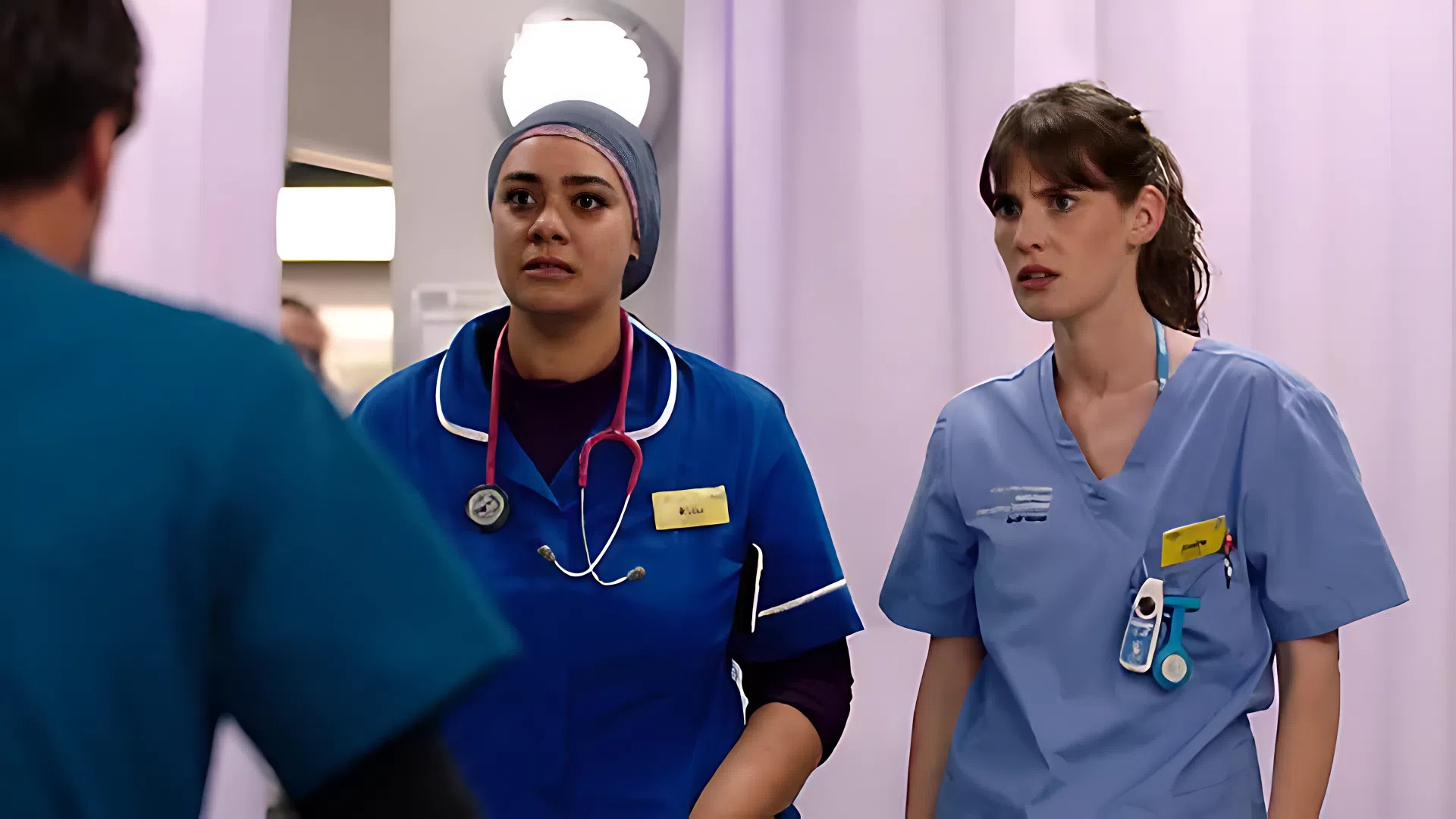
Among the most notable changes was a reimagined version of The Graham Norton Show. Although the programme could no longer operate in its familiar format before a live audience, it continued to welcome celebrity guests through specially adapted broadcasts, ensuring viewers could still enjoy one of Britain’s most beloved chat shows during an unsettling period.
Elsewhere, major cultural events cancelled because of the pandemic inspired the BBC to create entirely new programming that celebrated the spirit of occasions millions had been looking forward to.
One of the biggest disappointments of 2020 was the cancellation of the Eurovision Song Contest, an event that traditionally unites audiences across Europe in a celebration of music and entertainment. Rather than allowing the occasion to pass unnoticed, the BBC commissioned Eurovision: Come Together, a special programme celebrating the competition’s rich history.
Broadcast on 16 May—the date the Eurovision Grand Final had originally been scheduled to take place in Rotterdam—the programme revisited memorable performances from previous years while also offering viewers a glimpse into what the cancelled 2020 contest might have looked like.
The special became both a celebration of Eurovision’s enduring popularity and a tribute to the resilience of performers and fans whose annual tradition had been unexpectedly interrupted.
Music lovers were also given something special to anticipate during the summer after another heartbreaking cancellation.

The world-famous Glastonbury Festival had been preparing to celebrate its landmark 50th anniversary before the pandemic forced organizers to cancel the event. Instead of allowing the milestone to pass quietly, the BBC announced an ambitious weekend dedicated entirely to Glastonbury’s extraordinary legacy.
Across television, radio and online platforms, audiences were treated to unforgettable performances from previous festivals, reliving iconic concerts that had defined generations of music fans. The commemorative programming transformed what could have been a disappointing anniversary into a nationwide celebration of one of Britain’s most treasured cultural institutions.
Together, these initiatives reflected the BBC’s broader commitment to serving the public during an unprecedented national emergency.
While news teams delivered essential updates on the rapidly evolving pandemic, entertainment and educational divisions worked tirelessly to ensure audiences remained informed, connected and uplifted despite the challenges of isolation.
For fans of Casualty and Holby City, the decision to donate equipment represented far more than a practical contribution. It perfectly captured the values both dramas have championed throughout their long histories—compassion, teamwork, courage and unwavering dedication to patient care.
Although cameras temporarily stopped rolling inside the fictional emergency departments of Holby, the productions continued making a meaningful impact where it mattered most.
The gesture also highlighted the often-overlooked authenticity behind medical television dramas. Many of the supplies used to create convincing hospital environments mirror equipment used every day by healthcare professionals, making them genuinely valuable during a period of exceptional demand.
As Britain navigated one of the most difficult chapters in recent history, countless organizations searched for ways to support frontline services. The response from Casualty and Holby City demonstrated that even the entertainment industry could play a meaningful role in the national effort.
Their donation became a powerful symbol of solidarity between fictional and real-life medicine—a reminder that the stories viewers watched every week were inspired by extraordinary professionals whose courage had suddenly become the nation’s greatest source of hope.
In a period defined by uncertainty, sacrifice and resilience, the actions of the BBC’s flagship medical dramas reinforced an enduring message: while television can inspire audiences through storytelling, its greatest achievement may sometimes be the real-world difference it makes when those stories step beyond the screen.
Exclusive: Casualty to revisit first ever episode ahead of huge 40th anniversary
After nearly four decades of life-and-death emergencies, unforgettable characters, and groundbreaking storytelling, Casualty is preparing to celebrate one of
the biggest milestones in British television history. As the iconic BBC medical drama approaches its 40th anniversary, producers have revealed an astonishing twist
that connects the show’s present-day storylines directly to its very first episode, proving that some secrets never truly stay buried.
The revelation has sent longtime fans into a frenzy, as the ambitious “Lethal Legacy” storyline uncovers a shocking connection stretching all the way back to 1986, when Casualty first introduced audiences to the hectic corridors of Holby City’s Emergency Department. What initially appeared to be another high-stakes medical disaster has now become something far more significant—a carefully crafted tribute to the series’ remarkable legacy and the generations of viewers who have followed it.

For months, the Emergency Department has been overwhelmed by an alarming medical crisis unlike anything staff have encountered before. Patients have been arriving with severe respiratory illnesses, unexplained health complications, and an unusual increase in premature births, leaving doctors and nurses desperately searching for answers.
The mystery eventually points toward the troubled Wyvern Hill Estate.
Investigators discover that toxic chemical waste has been buried beneath the estate for decades, exposing entire communities to dangerous contamination without their knowledge. As the horrifying truth begins to emerge, every new patient arriving at the hospital becomes another reminder of the devastating human consequences hidden beneath the surface.
The situation quickly escalates from a medical emergency into a full-scale public health disaster.
In one of the storyline’s most explosive chapters, emergency services and military personnel descend upon Wyvern Hill after buried chemical barrels trigger a massive explosion. Flames, panic, collapsing structures, and critically injured residents transform the estate into a war zone, forcing Holby’s medical teams into one of their largest rescue operations in recent memory.
But according to series producer Liza Mellody, this dramatic disaster is far more than an action-packed storyline.
It is the culmination of a mystery that began almost 40 years ago.
Speaking about the ambitious plot, Mellody revealed that the writers deliberately revisited one of the most significant unresolved moments from Casualty’s premiere episode.
Back in 1986, viewers were introduced to a story involving dangerous chemical barrels that were supposed to have been safely destroyed. By the conclusion of that historic first episode, however, audiences learned that someone had secretly buried the hazardous waste instead.
At the time, it seemed like a simple plot point.
Now, decades later, that forgotten secret has become the foundation for one of the show’s biggest stories ever.

According to Mellody, the barrels discovered beneath Wyvern Hill are intended to be the very same toxic containers introduced during the series debut.
The remarkable connection demonstrates just how carefully the creative team has planned the anniversary celebration.
Rather than simply relying on nostalgia or bringing back familiar faces, the producers have chosen to revisit one of the oldest unanswered questions in the show’s history and explore the devastating consequences of decisions made generations earlier.
It is a storytelling approach that rewards loyal viewers while remaining accessible to newer audiences discovering Casualty for the first time.
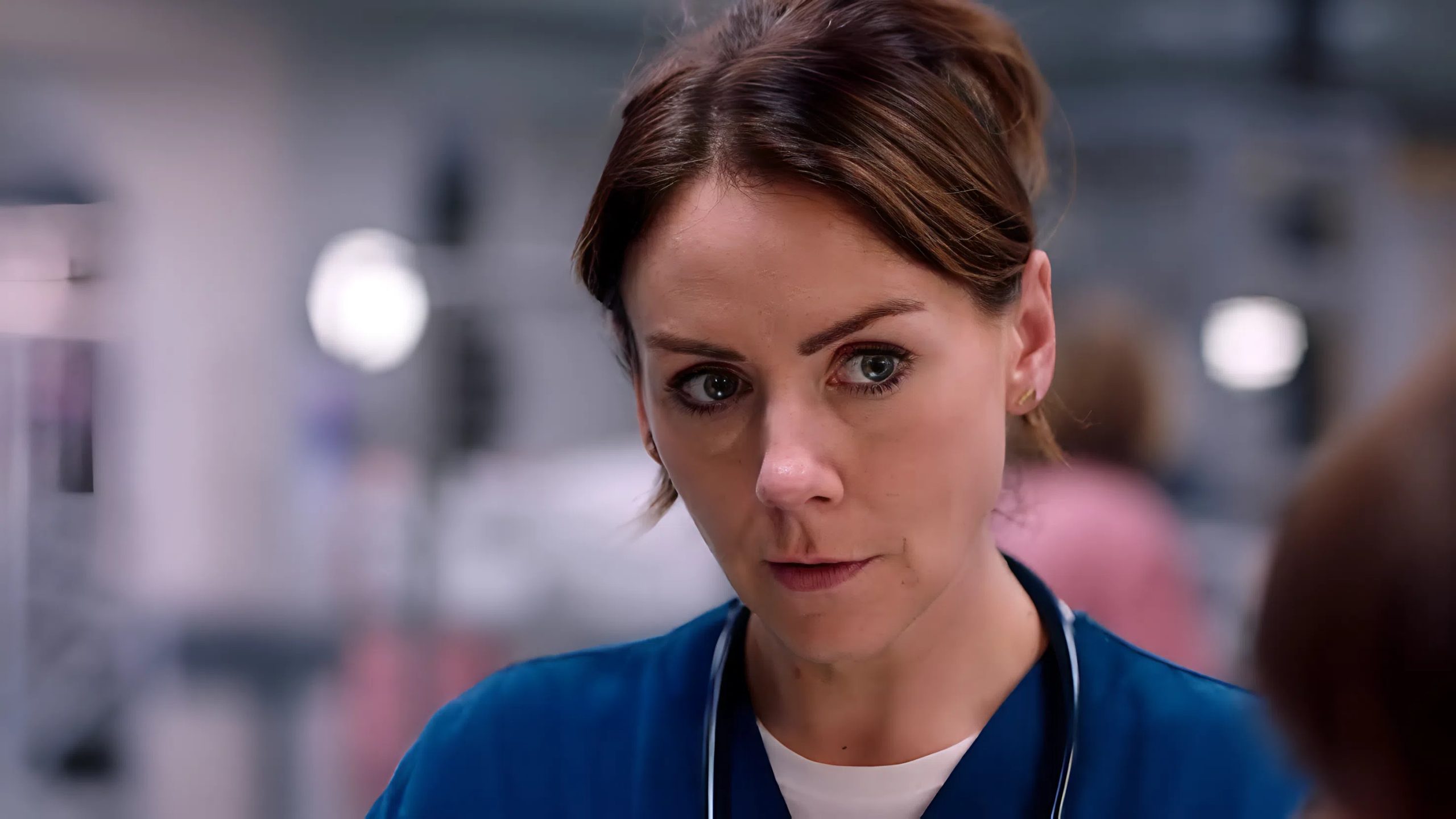
At the center of the unfolding investigation is Jodie Whyte, whose determination drives much of the mystery forward.
Refusing to accept official explanations, Jodie becomes increasingly convinced that something sinister lies beneath the surface of Wyvern Hill.
Her relentless search for answers transforms her into an unlikely investigator, drawing comparisons to real-life environmental campaigners who have challenged powerful institutions despite overwhelming obstacles.
Producer Liza Mellody even likened Jodie’s determination to the famous Erin Brockovich, praising the character’s refusal to ignore warning signs that others dismiss.
As more evidence emerges, Jodie realizes that the health crisis affecting local residents is no coincidence.
Every clue points toward decades of negligence.
Every discovery raises difficult questions.
Who buried the toxic waste?
Who knew about it?
And perhaps most importantly, who allowed innocent families to continue living above dangerous chemicals for so many years?
These questions give the storyline an emotional depth beyond its spectacular action sequences.
The victims are not simply anonymous patients arriving at the Emergency Department.
They are entire families whose lives have been quietly shaped by decisions made long before many of them were even born.
Children, parents, and elderly residents suddenly find themselves confronting an invisible threat that has lingered beneath their homes for generations.
For Holby’s doctors and nurses, the crisis demands far more than medical expertise.
They must treat patients while wrestling with the frustration that many of these illnesses could potentially have been prevented if the truth had surfaced years earlier.
The emotional burden weighs heavily on every member of the Emergency Department.
As always, Casualty balances large-scale disasters with deeply personal stories.
Every emergency case reflects the courage, compassion, and resilience that have defined the series since its earliest days.
Even amid explosions, hazardous chemicals, and mass casualties, the show’s greatest strength remains its focus on ordinary people facing extraordinary circumstances.
That commitment to character-driven storytelling has helped Casualty remain one of Britain’s most beloved television dramas across four decades.
Unlike many long-running series that rely solely on spectacle, Casualty has consistently combined gripping medical emergencies with meaningful social issues.
Throughout its history, the drama has tackled subjects including mental health, domestic abuse, addiction, discrimination, knife crime, homelessness, infectious diseases, and public safety.
The Wyvern Hill storyline continues that tradition by examining environmental responsibility, public health, and the long-term consequences of institutional failures.

It is precisely this combination of entertainment and education that has allowed the series to remain relevant through changing generations.
Producer Liza Mellody believes that ability to spark conversation remains central to the show’s identity.
Reflecting on the upcoming anniversary, she expressed enormous pride in what the production team has achieved.
Without revealing specific details, she teased that the 40th anniversary episodes will deliver something truly unforgettable.
Her excitement has only heightened anticipation among fans eager to see how the landmark celebration unfolds.
According to Mellody, viewers can expect an event worthy of the show’s extraordinary legacy.
She describes the anniversary as “sensational,” promising that audiences will not be disappointed by what the writers, cast, and crew have created.
Although details remain tightly guarded, her comments suggest the anniversary will celebrate both the past and future of Casualty, honoring its rich history while continuing to push the drama into bold new territory.
For longtime viewers who have followed Holby’s doctors through countless triumphs and tragedies, the anniversary represents far more than another television milestone.
It marks four decades of stories that have educated, entertained, and often inspired real conversations about healthcare and emergency medicine.
Generations of audiences have grown alongside the series, watching beloved characters arrive, evolve, and depart while the Emergency Department continued serving as the emotional heart of the drama.
The decision to reconnect with the very first episode creates a powerful sense of continuity.
It reminds viewers that every story matters.
Even moments that seemed insignificant decades ago can eventually shape events in unexpected ways.
That careful attention to the show’s history reflects the respect the creative team has for both its characters and its audience.
As the explosive Wyvern Hill investigation continues, viewers can expect further revelations, emotional confrontations, and dramatic rescues before the full truth finally emerges.
Yet beyond the immediate danger lies something even more meaningful—the celebration of a television institution that has remained a cornerstone of British drama for 40 remarkable years.
With its ambitious anniversary storyline, emotional character journeys, and astonishing connection to the very beginning, Casualty is proving once again why it remains one of the BBC’s greatest success stories.
As September’s landmark celebration approaches, one thing has become abundantly clear: the legacy of Casualty is far from over. Instead, the series is honoring its past while boldly reminding audiences that the most compelling stories are often those that have been waiting decades to be told.
Be the first to comment on this article!