
Grey's Anatomy is one of the biggest shows in the history of network television, but not every episode has aged well. Since its premiere in the early 2000s, the medical drama has been a mainstay of ABC's fall lineup, constantly introducing new fresh-faced interns and esteemed surgeons to keep an interesting array of characters in its ensemble cast. Even two decades later, Grey's Anatomy remains somewhat inescapable, especially considering the hit Shondaland show is constantly evolving— for better and for worse.
As the release date for Grey's Anatomy season 23 draws nearer, longtime fans of the show are likely well into their annual rewatch, binging either the earliest seasons for a heavy dose of nostalgia or the later entries as a recap of the new characters, pressing storylines, and unresolved plots season 23 will have to contend with. Whether you're an avid Grey's Anatomy viewer or a casual fan embarking on your first watch, however, there are certain episodes that may be worth a skip.
"What Have I Done to Deserve This?"
Season 2, Episode 19
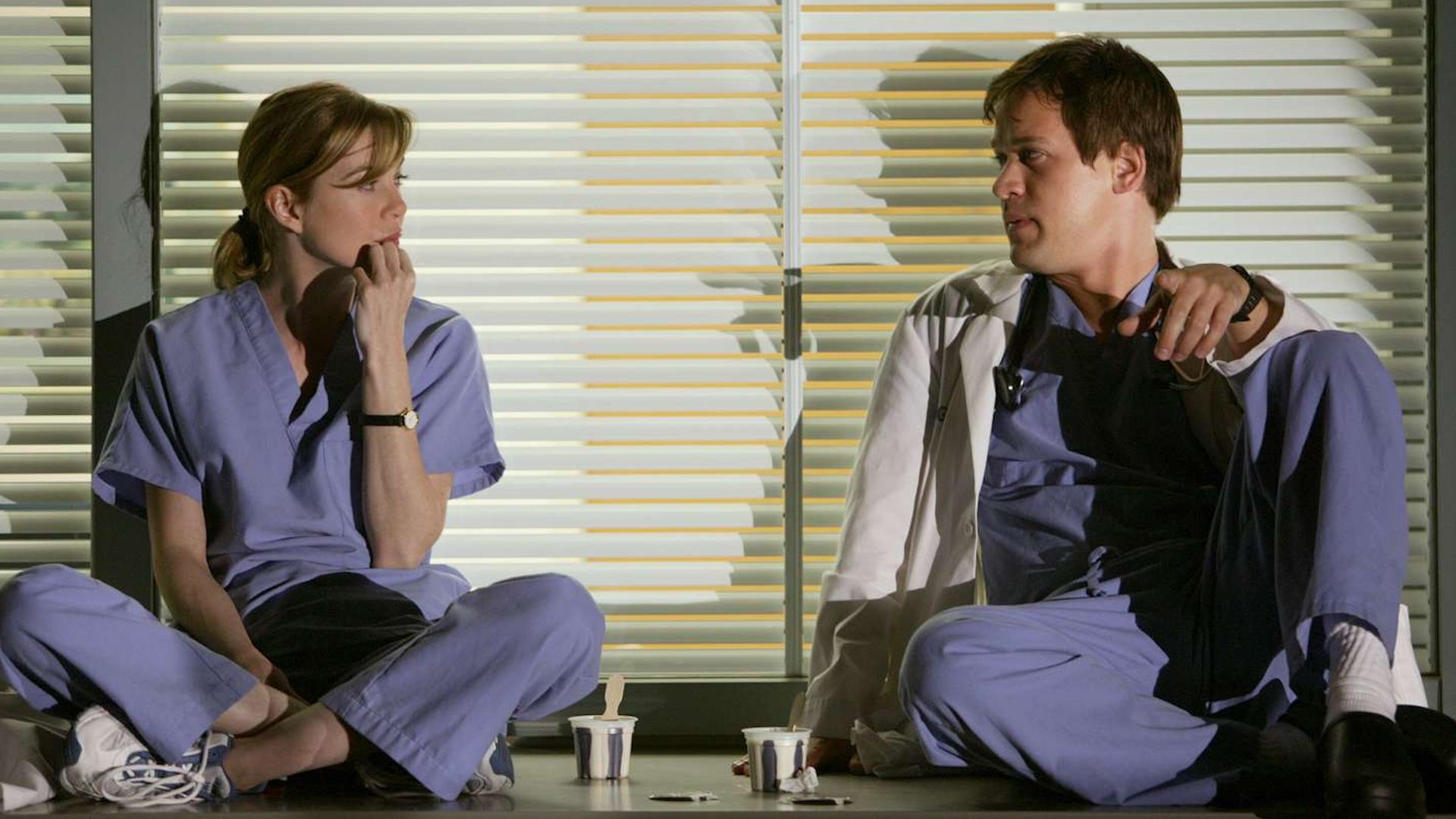
Grey's Anatomy season 1 introduced arguably the most important group of characters the series has ever had, despite only a handful still existing in 2026. The first group of interns— Meredith Grey (Ellen Pompeo), Alex Karev (Justin Chambers), George O'Malley (T.R. Knight), Izzie Stevens (Katherine Heigl), and Cristina Yang (Sandra Oh)— are affectionately known as MAGIC, both an acronym of their first initials and a perfect description of their group chemistry.
Unfortunately, Grey's Anatomy hit the ground running with its interpersonal drama. George pined after Meredith from the moment he met her, but nothing ever came of it besides a failed attempt at a rebound in season 2. "What Have I Done to Deserve This?" explores the aftermath of Meredith breaking down in tears during their would-be hookup, but the series places far too much onus on the main character for her drunken mistake. Ironically, most viewers detest George for his poor initial reaction and the casually misogynistic grudge he (and later Patrick Dempsey's Derek Shepherd) held against Meredith.
"In the Midnight Hour"
Season 5, Episode 9
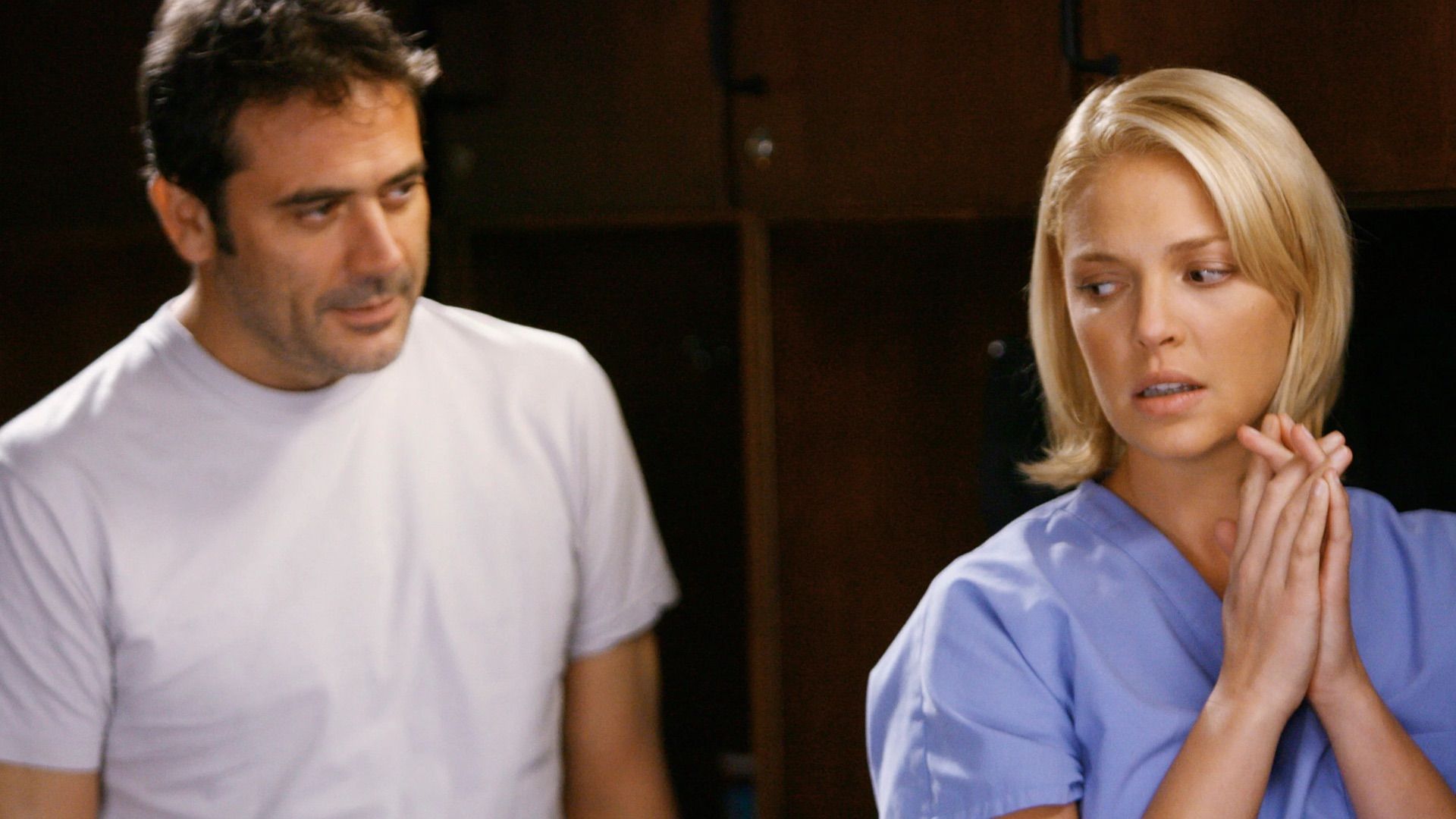
One of Grey's Anatomy's earliest tragedies was the case of Denny Duquette (Jeffrey Dean Morgan), a patient with congestive heart failure who died of a stroke shortly after an emergency transplant. His passing hit the audience like a truck, while his love interest, Izzie, was utterly consumed by her grief. Nevertheless, the young doctor gradually began moving on in her personal and professional lives— until season 5, that is.
In an irrefutably absurd Grey's Anatomy moment, Izzie begins hallucinating Denny as a result of her undiagnosed metastatic melanoma. Initially, however, the medical drama suggests Denny's presence could be paranormal in nature, leading Izzie to engage in something that can only be described as ghost sex in season 5's "In the Midnight Hour" while her real-life boyfriend was none the wiser. Even if Izzie's illness was meant to explain Denny's so-called apparition, the steamy scene is as pointless as it is uncomfortable to watch, and it needlessly jeopardized the legacy of a fan-favorite side character.
"Song Beneath the Song"
Season 7, Episode 18
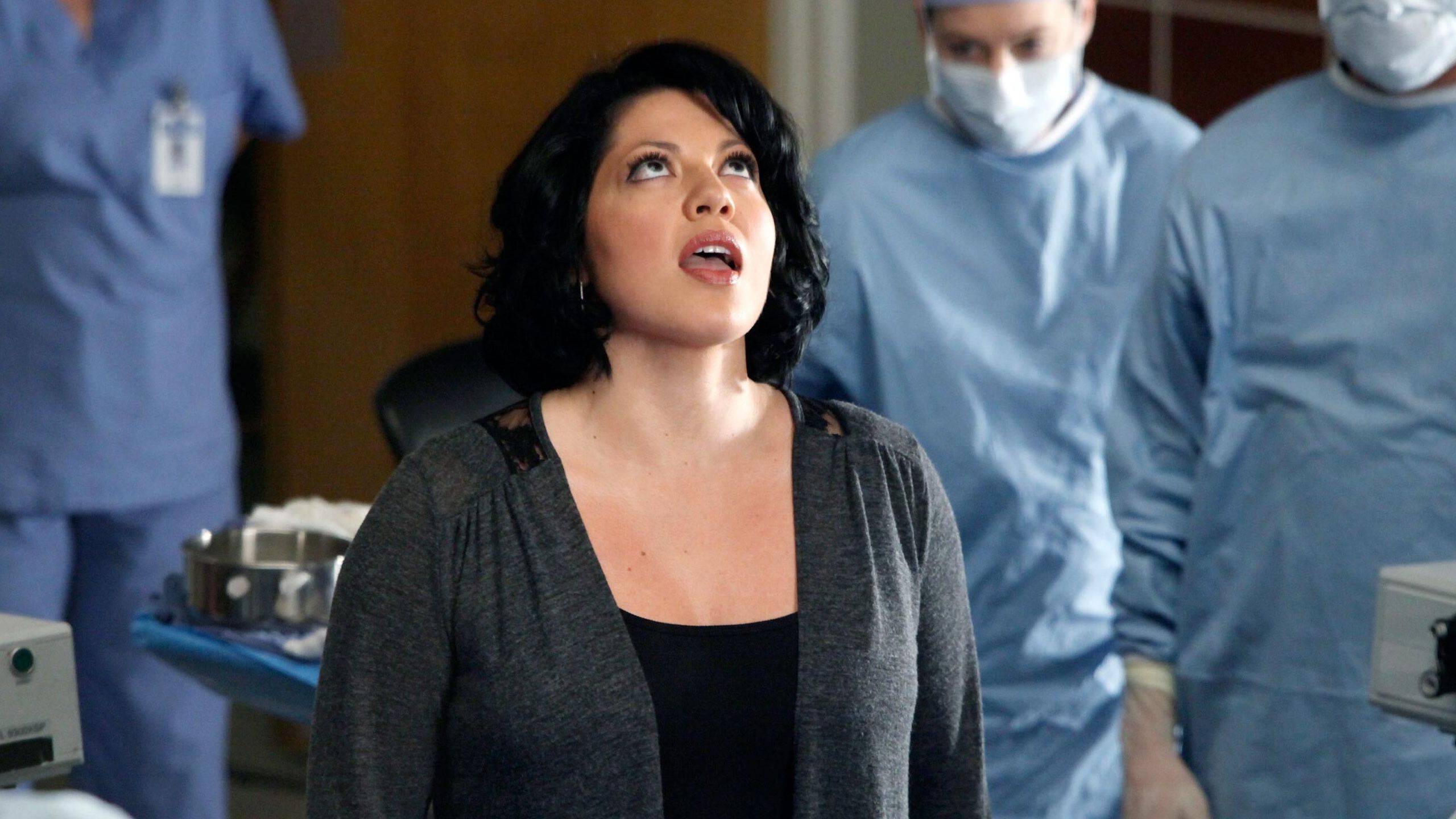
Regardless of the countless baffling medical inaccuracies and frustrating plot twists prior, "Song Beneath the Song" was Grey's Anatomy at its most controversial. The narrative itself is fairly simple: after Callie Torres (Sara Ramirez) is involved in a major car accident, the lives of her and her unborn child hang in the balance. Of course, there's only one logical route an acclaimed medical drama can take with such high stakes on the line: a musical episode.
Without question, Ramirez gave a remarkable performance. Sadly, not even the Tony-winning talent could save the fever dream-esque episode. What could have been a harrowing near-death experience in Grey's Anatomy is instead widely regarded as an off-putting spectacle of subpar singing. Furthermore, any merit "Song Beneath the Song" has is forever eclipsed by its infamous reputation as the laughingstock of the series.
"Hope for the Hopeless"
Season 8, Episode 12
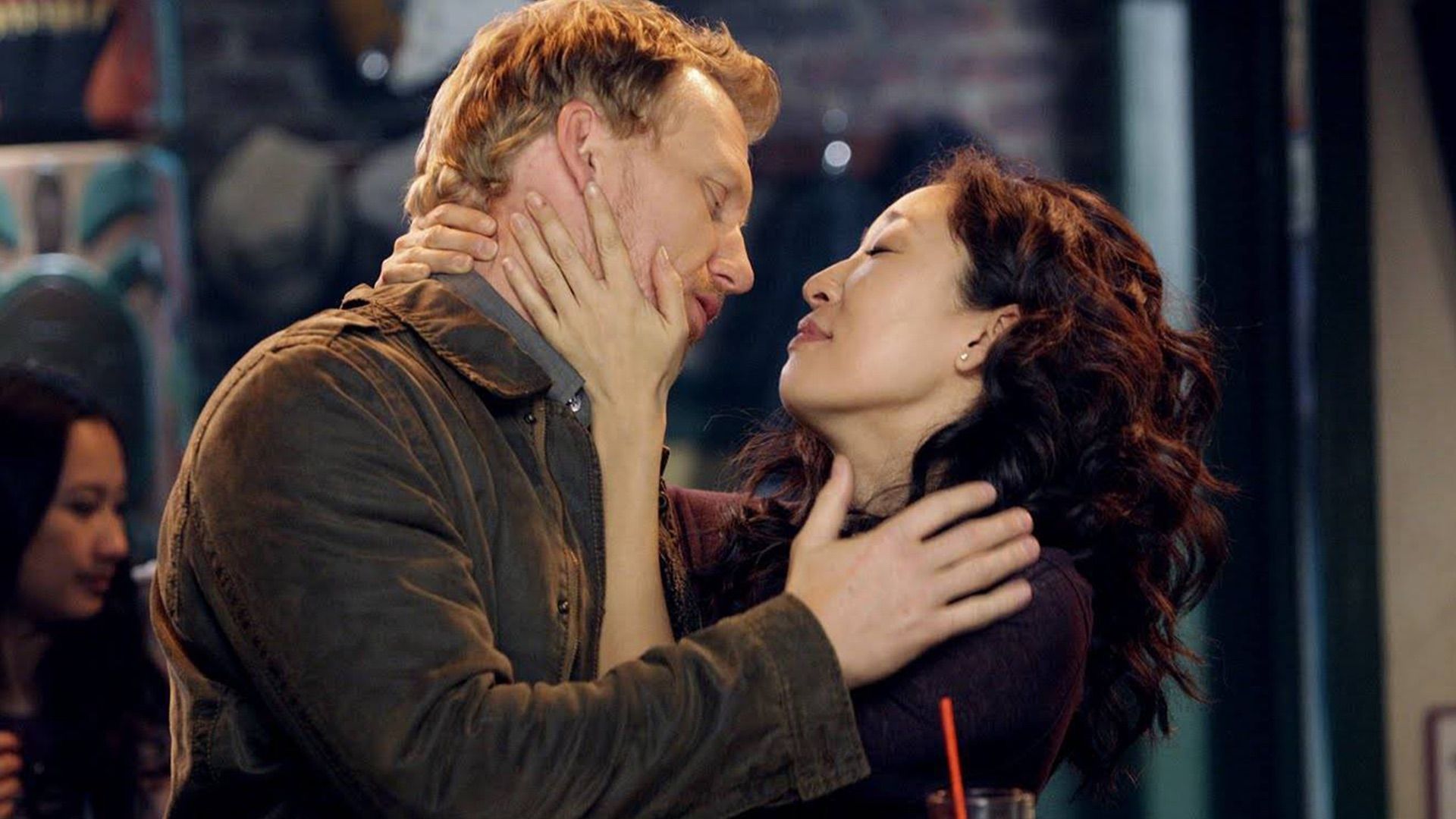
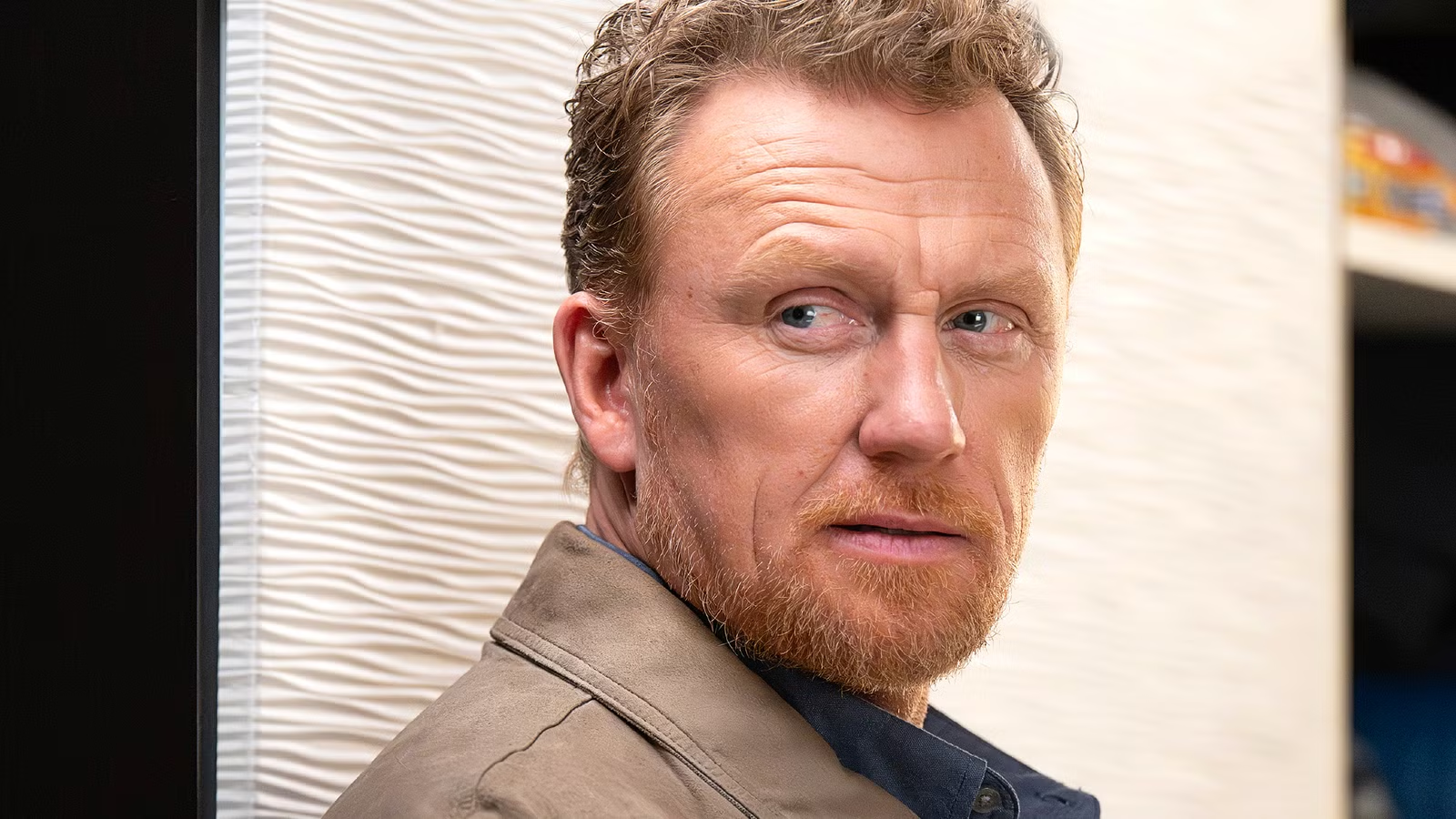
Owen Hunt (Kevin McKidd) may be one of the most hated characters in modern TV history, but it isn't without reason. During his stint on the ABC staple, the trauma surgeon was hypocritical, judgmental, and— above all else— a toxic partner to numerous women. Chief among them is Cristina Yang, who was constantly under his scrutiny.
One of the couple's worst fights comes in season 8, when Owen unleashes all his pent-up frustrations on Cristina: he disapproves of her friendship with Teddy Altman (Kim Raver), looks down on her ambition as a budding cardiothoracic surgeon, and blatantly disrespects her previous decision to have an abortion. Throughout Cristina Yang's character development in Grey's Anatomy, she never wavered on her plan to remain childless, but Owen never understood her— as a doctor or as a person. Consequently, his wildly inappropriate outburst insisting she "killed" his child is an unsavory moment that viewers can't forget, let alone forgive.
"If/Then"
Season 8, Episode 13
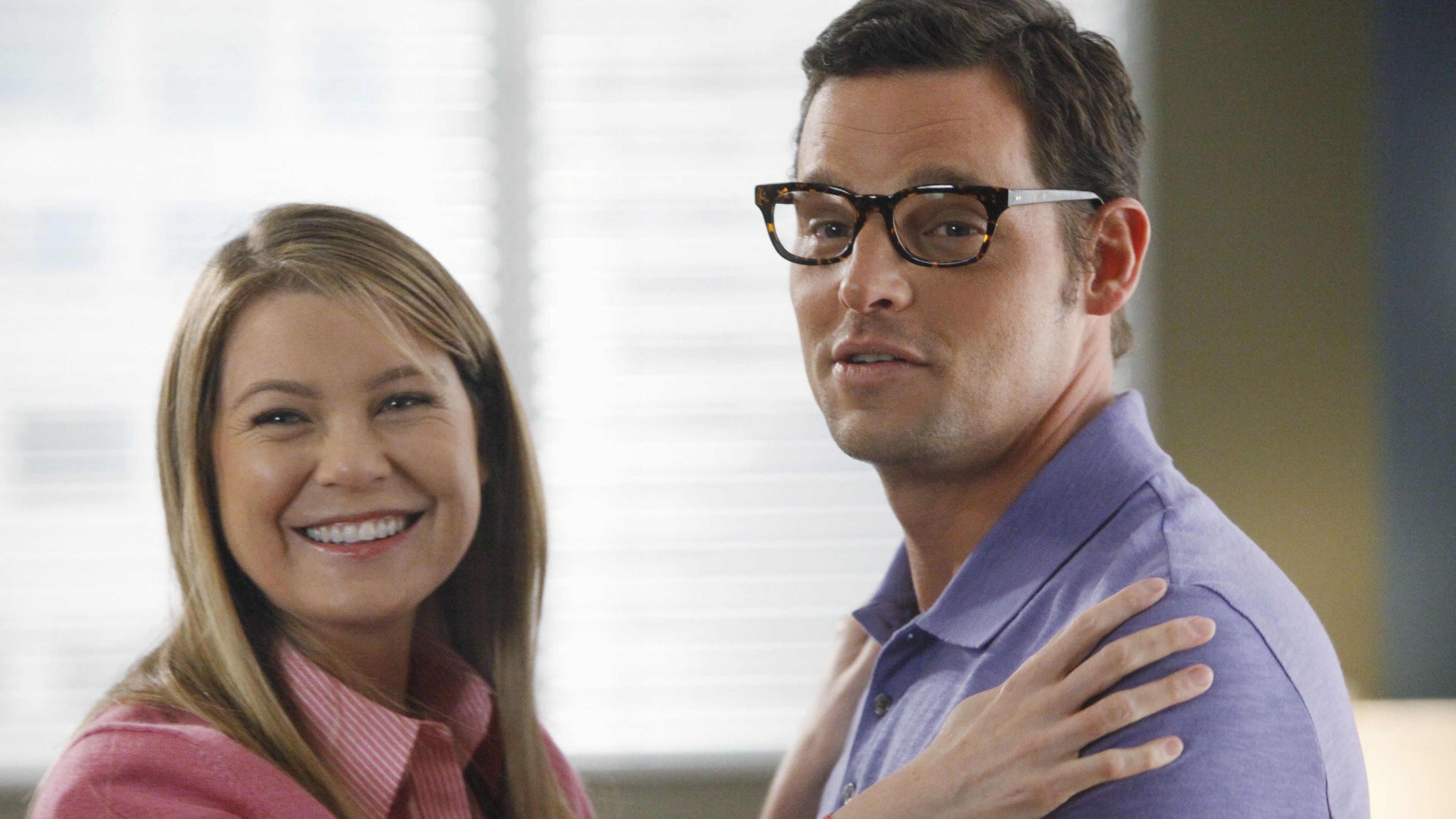
Whereas "Hope for the Hopeless" is genuinely upsetting to rewatch, season 8's "If/Then" is just plain bizarre. The episode is an extended dream sequence wherein Meredith imagines what her life would be like if her mother were more loving.
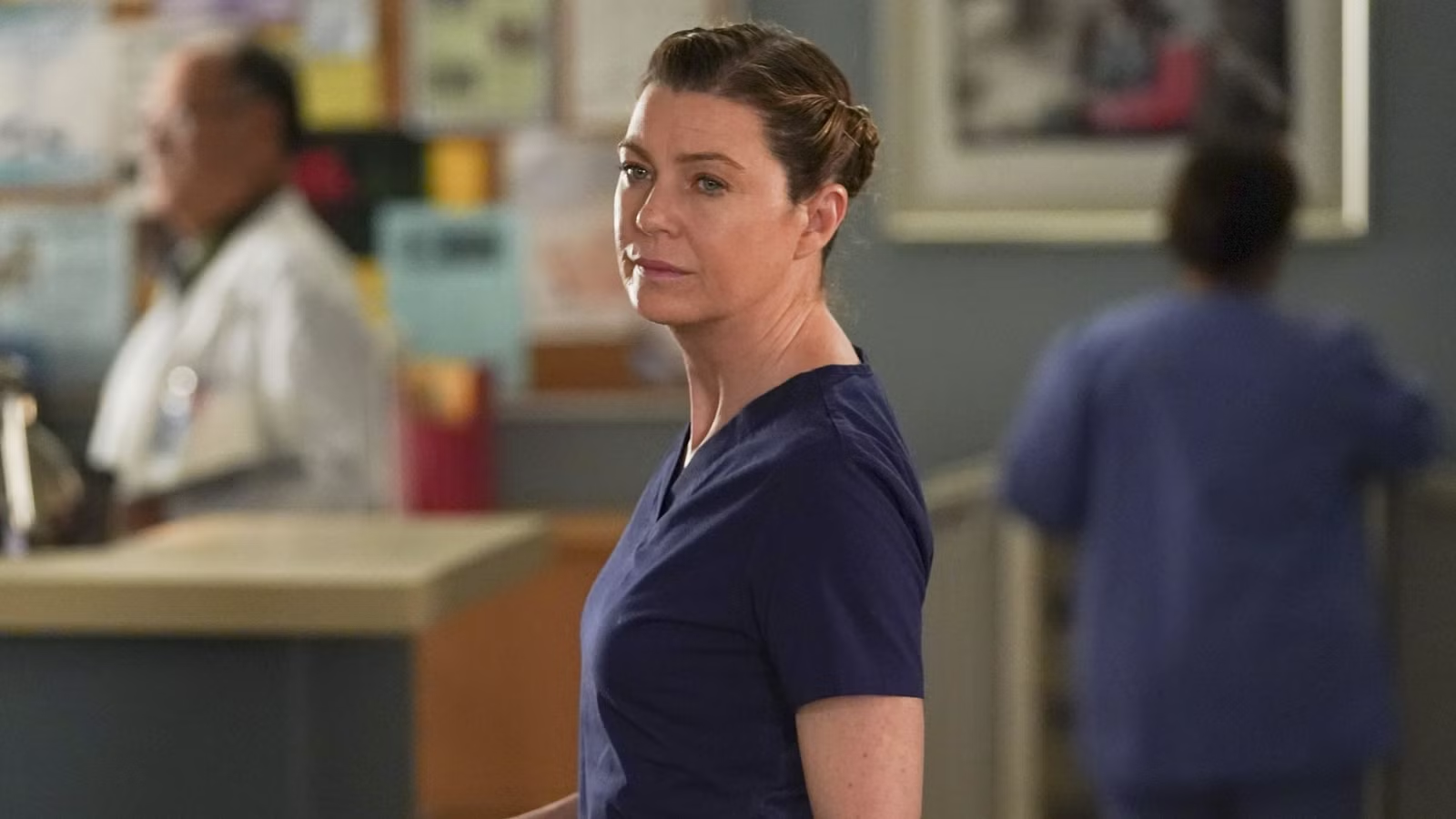
The ripple effect proves to be extreme, as the alternate universe is full of uncanny tweaks, from replacing Meredith and Derek's relationship in Grey's Anatomy with Meredith and Alex to subbing in April Kepner (Sarah Drew) as the protagonist's new best friend. The notorious "what if?" episode is unsettling simply because of how viscerally wrong it feels, but at least it isn't outright problematic.
"Two Against One"
Season 10, Episode 8
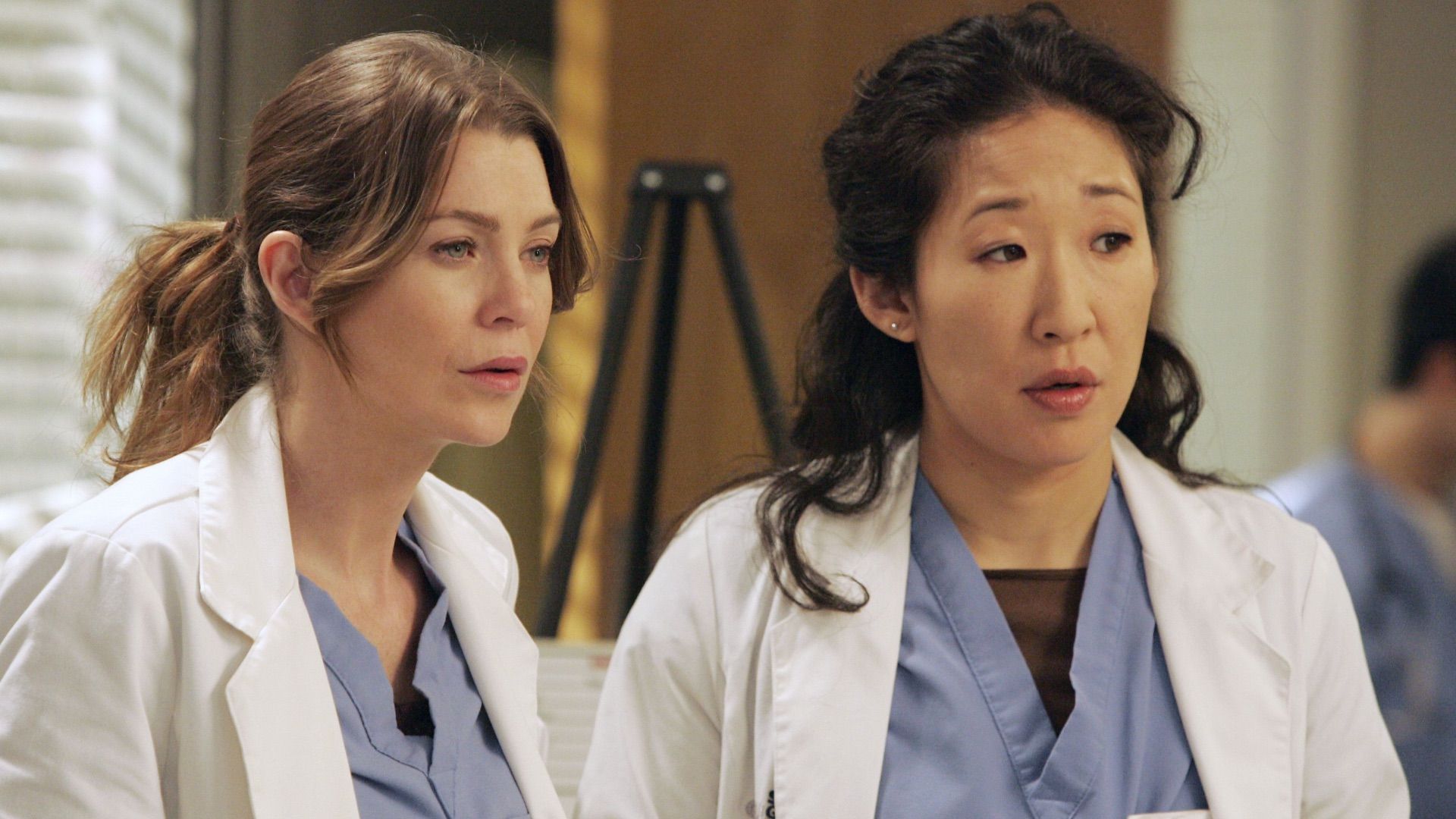
It's only fitting that "Two Against One" is a tough watch for two primary reasons: its awful OCD subplot and its mistreatment of an iconic TV friendship. Meredith and Cristina weren't always on the same page, but their full-blown feud in the season 10 episode felt out-of-character and overblown.
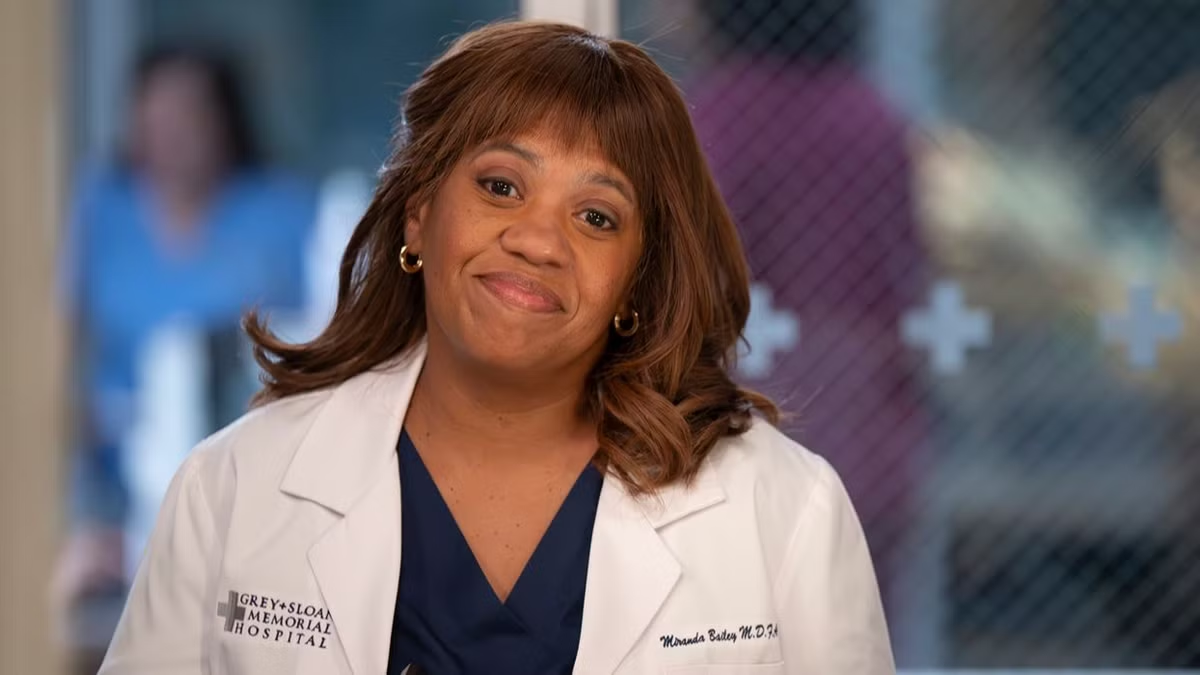
Meanwhile, Miranda Bailey (Chandra Wilson) is one of the most important characters in Grey's Anatomy, but the medical drama abruptly decided to write in a storyline where she struggles with OCD. It's exceedingly rare for obsessive-compulsive disorder to have such a late onset in general, but the series practically forgets about Bailey's diagnosis after enough time has passed, making it a fruitless and fairly insulting portrayal of an already grossly misunderstood disorder.
"How to Save a Life"
Season 11, Episode 21
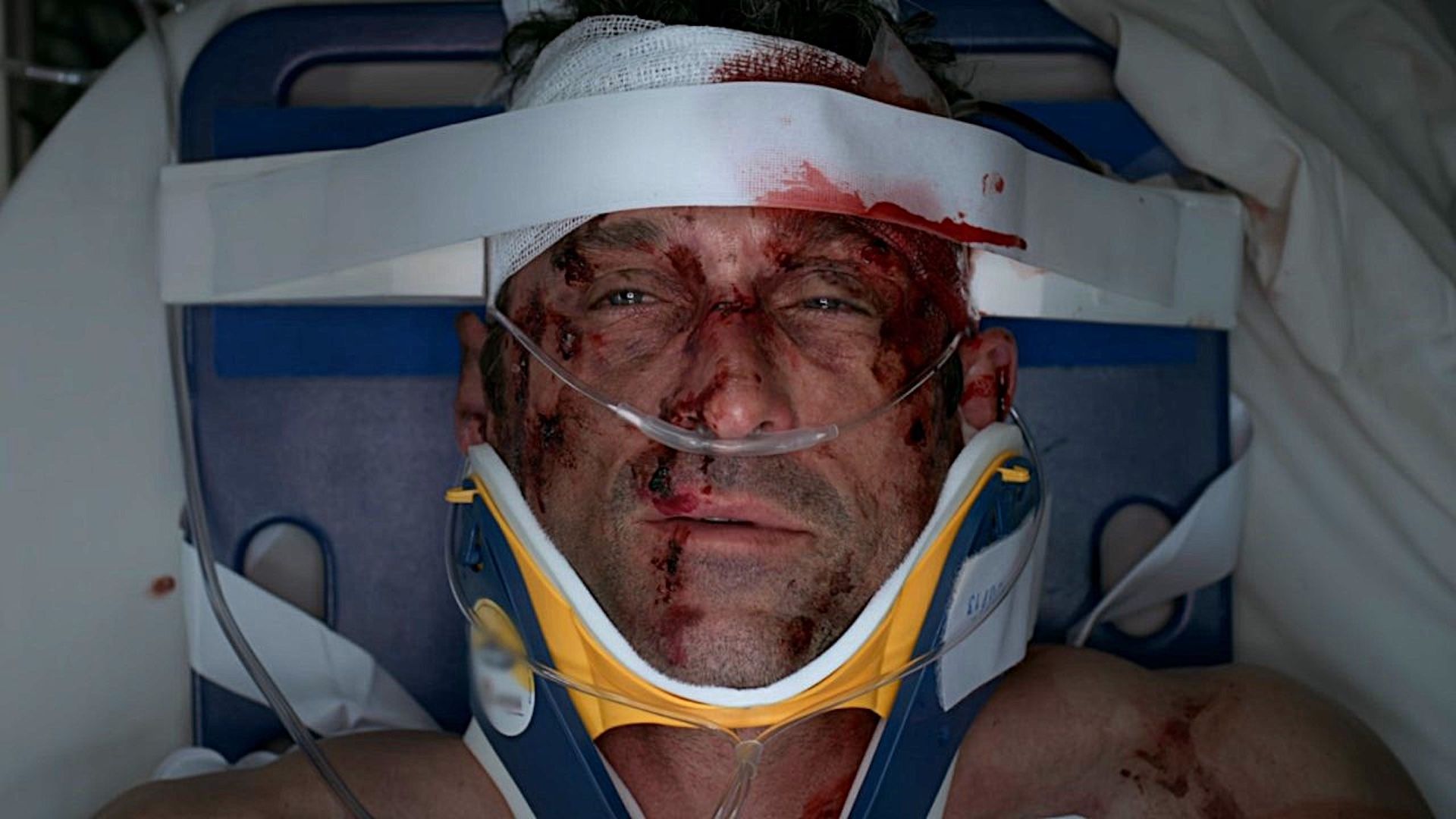
Unsurprisingly, the death of Derek Shepherd marked the end of an era for Grey's Anatomy, and it has only gotten worse with age. Unfortunately, the character's untimely demise was somewhat inevitable, but how the long-running drama handled it was far from perfect.
During a cross-country drive, the beloved Dr. McDreamy pulls over to administer life-saving care to civilians caught in a car crash. Just as he prepares to leave after playing the hero, however, Derek himself is struck by a semi-truck— a climactic moment bogged down by dated graphics and ineffective CGI. To add insult to injury, Grey's Anatomy makes it abundantly clear that Derek could have survived; he was just treated by the wrong doctor. Fans hated the character's sendoff when it first aired, and the resentment has only festered in the last 10 years.
"The Room Where It Happens"
Season 13, Episode 8
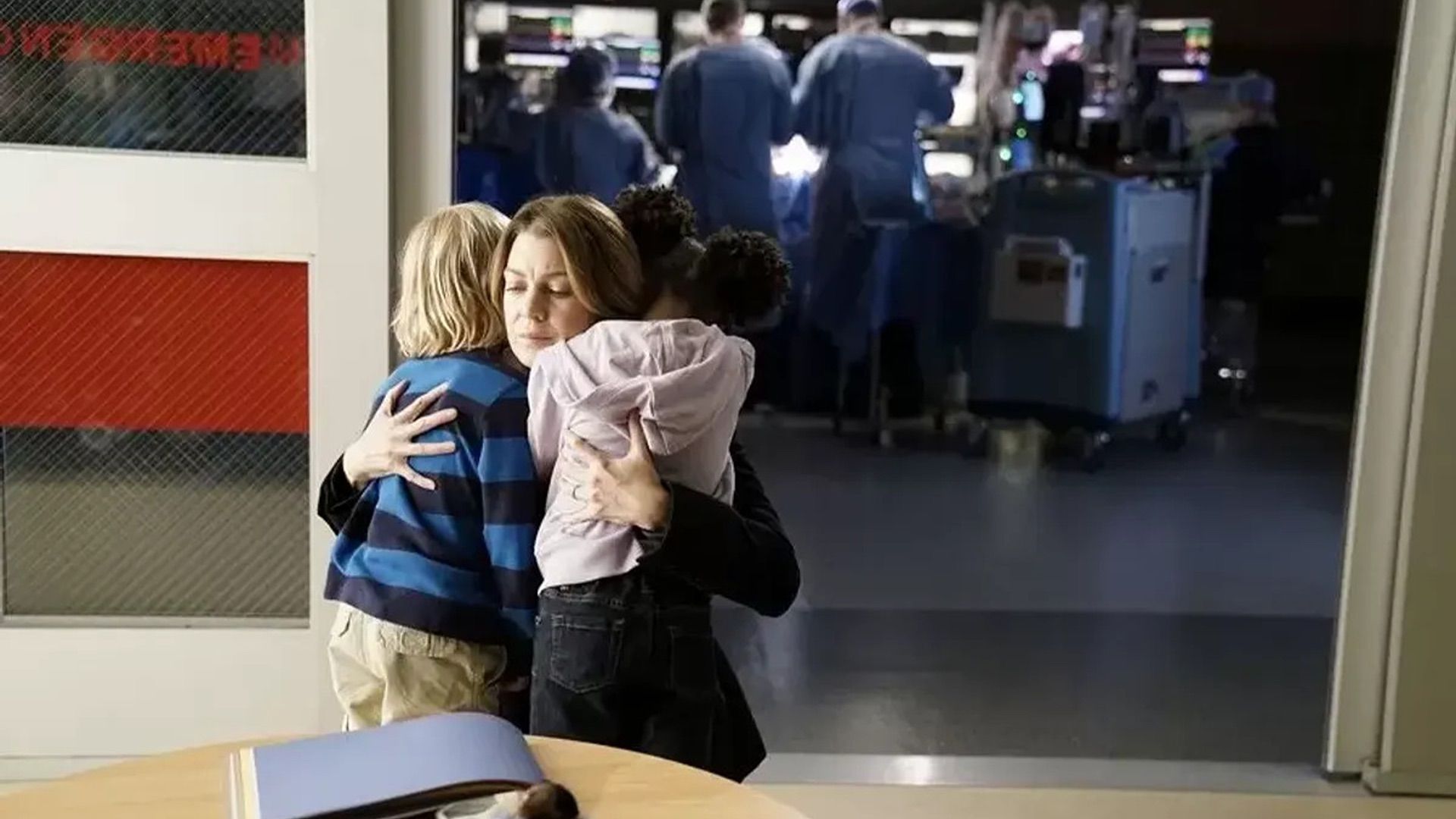
Every show like Grey's Anatomy falls victim to filler episodes, wherein nothing consequential happens, and the overarching plot remains stagnant. Grey's Anatomy itself has had its fair share throughout the past two decades, but "The Room Where It Happens" is by far the most egregious.
The Hamilton-titled episode revolves around four surgeons operating on an anonymous patient. They take turns inventing an identity for their John Doe in an effort to humanize him, complete with daydreams of imaginary lives and flashbacks from each character's own emotional history. Admittedly, the episode's greatest crime is that it's boring, but it's undoubtedly an hour most viewers wish they could get back nonetheless.
"Danger Zone"
Season 14, Episode 5
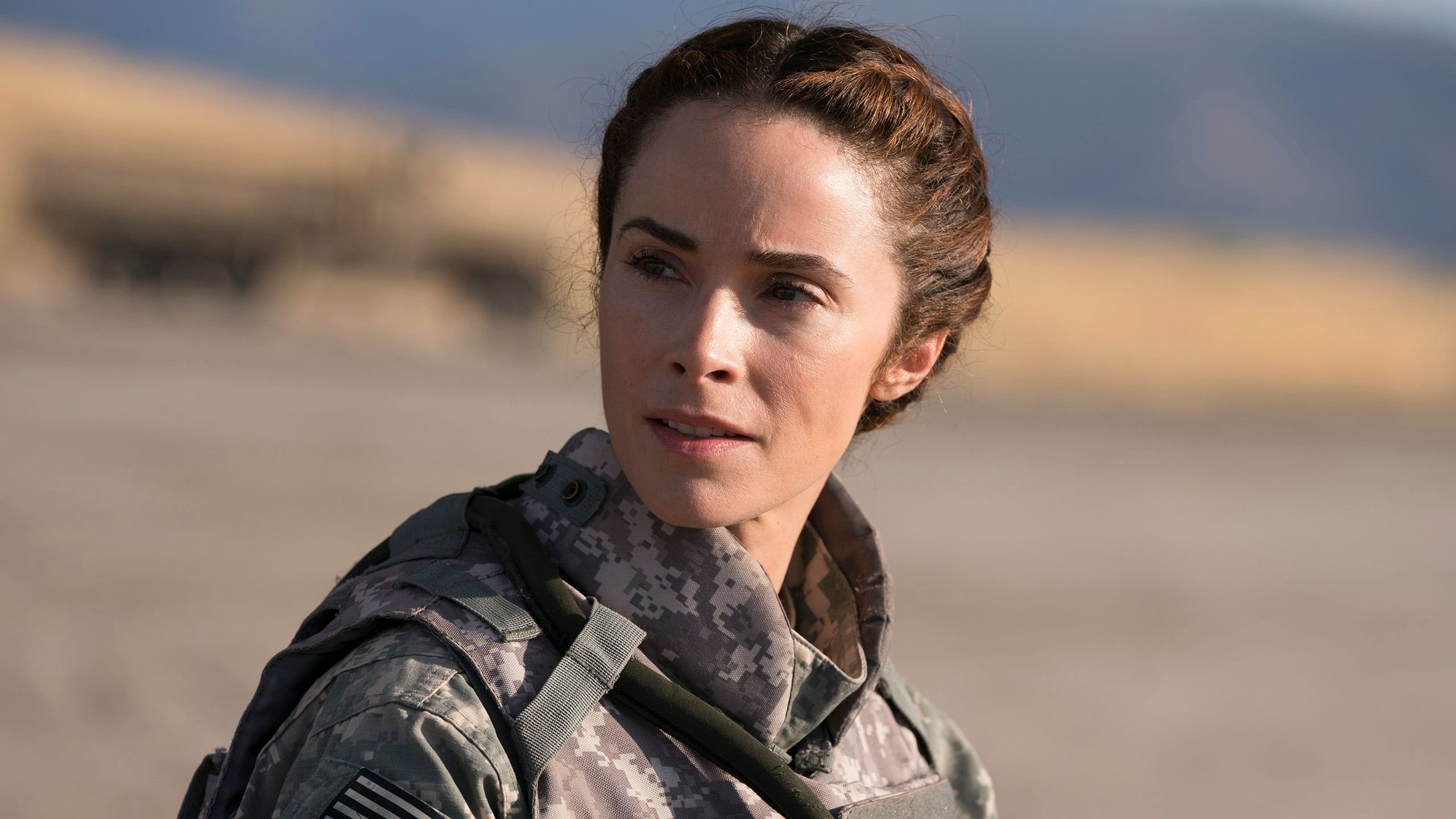
Owen's role in Grey's Anatomy has always been divisive, but dedicating an entire episode to his savior complex was truly a recipe for disaster. Ignoring the absurdity that his sister, Megan (Abigail Spencer), returned after a decade of being presumed dead, the episode underscores with painful clarity how Owen will constantly try to control the women in his life, from Cristina to Teddy to Megan to Amelia Shepherd (Caterina Scorsone).
Plus, "Danger Zone" crushed all hopes of a real relationship between Meredith and Nathan Riggs (Martin Henderson), which made Grey's Anatomy season 14's gratuitous build-up seem all the more worthless. Granted, Riggs never held a candle to Derek, but the swiftness with which he disappeared from Meredith's life was notably jarring.
"Leave a Light On"
Season 16, Episode 16
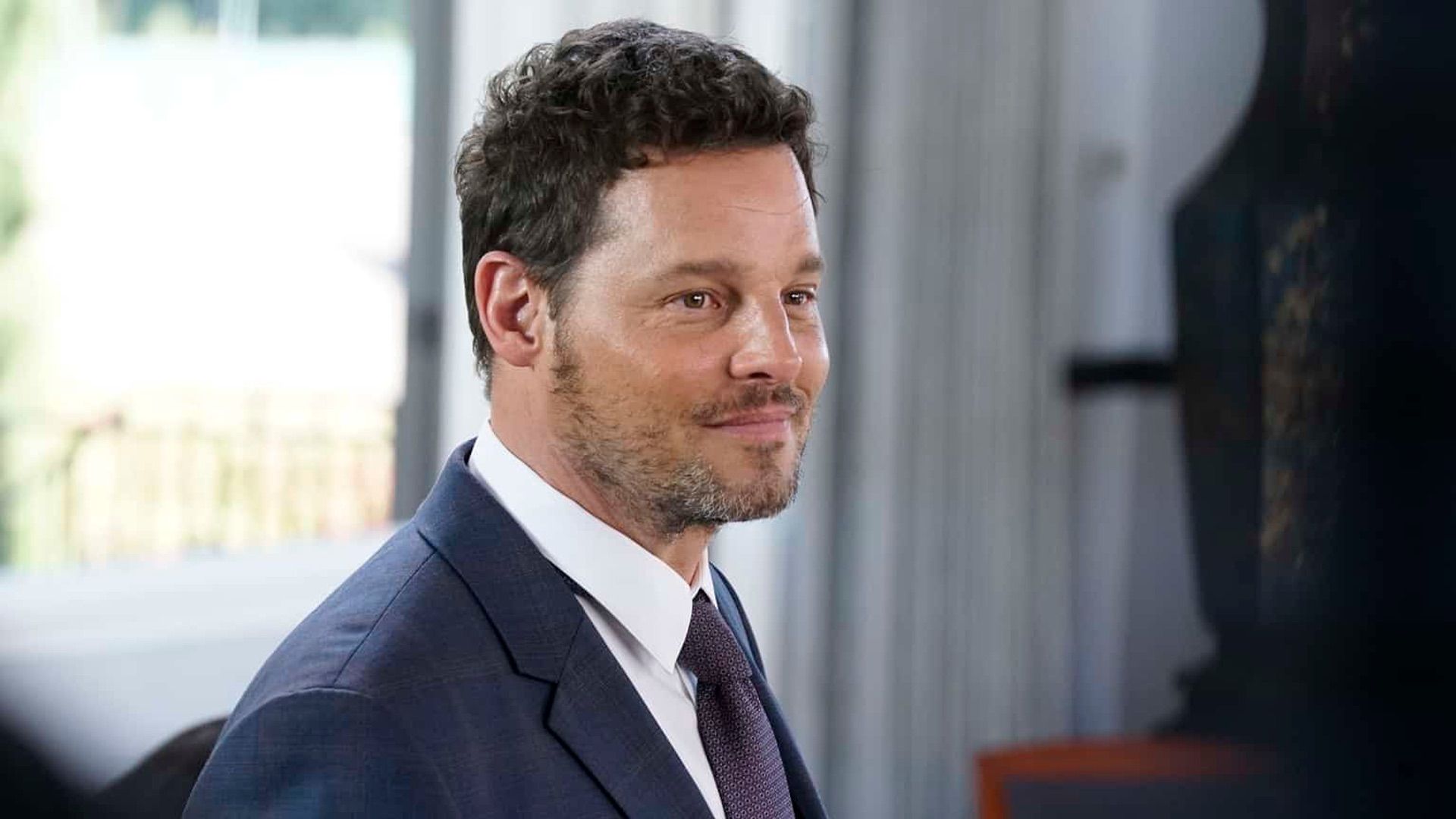
Yet, season 16's "Leave a Light On" has the uncontested worst storyline in Grey's Anatomy history. Major character departures are never easy, but most main cast members can find solace in retiring their role with a proper swan song. George's death left viewers reeling, Cristina ran away to live her best life in Switzerland, and even Izzie had an interesting reason to leave.
In stark contrast, Alex Karev's exit from Grey's Anatomy felt like a slap in the face for the audience. Rather than safeguard his character's development and his love story with Jo Wilson (Camilla Luddington), Grey's Anatomy wrote out Alex by having him leave his wife because— as the show reveals via three handwritten letters— Izzie secretly had his children five years prior. With only a voice-over and some half-baked metaphors, Grey's Anatomy said goodbye to Alex by making him a coward, a cheater, and a million other atrocities that ruined one of the show's best doctors.
20 Years Later, 'Grey's Anatomy' Needs To Stop Expanding
Once upon a time, the newest addition to the Grey's Anatomy roster felt like a special occasion, and there were various reasons for this, particularly the fact that someone could potentially die in increasingly ridiculous ways. But one of the biggest reasons was how well the show conveyed who the main characters were as individuals compared to virtually all other shows on network television.
Meredith Grey (Ellen Pompeo), Cristina Yang (Sandra Oh), Alex Karev (Justin Chambers), Izzie Stevens (Katherine Heigl), and George O'Malley (T.R. Knight) built a strong connection with audiences throughout the first several seasons of the show. While all the medical calamities were very entertaining, they were ultimately worth watching only because they affected the lives of the central characters. As a result, when looking forward to ABC's Grey's Anatomy spin-off, it doesn't feel as exciting as it probably should.
The untitled series, co-created by Shonda Rhimes and current Grey’s showrunner Meg Marinis, will move the franchise to rural West Texas for the first time. Instead of centering on an established Grey’s character like Private Practice did with Addison Montgomery (Kate Walsh) or Station 19 did with Ben Warren (Jason George), this series will reportedly focus on an entirely new group of doctors.
‘Grey’s Anatomy’ Already Feels Like a Different Show Than the One Fans Fell in Love With
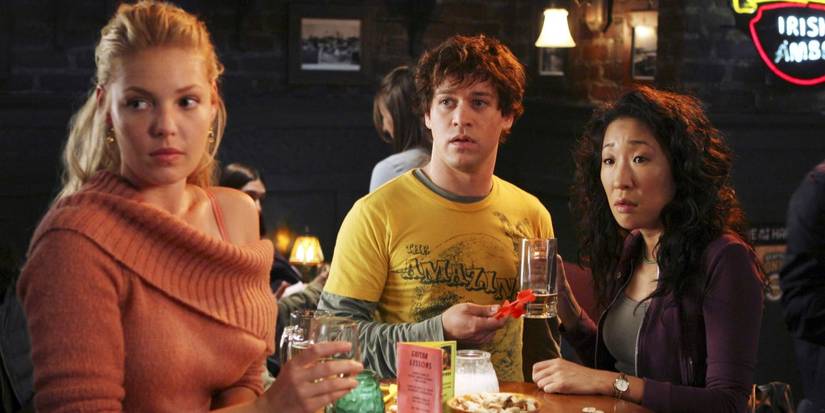
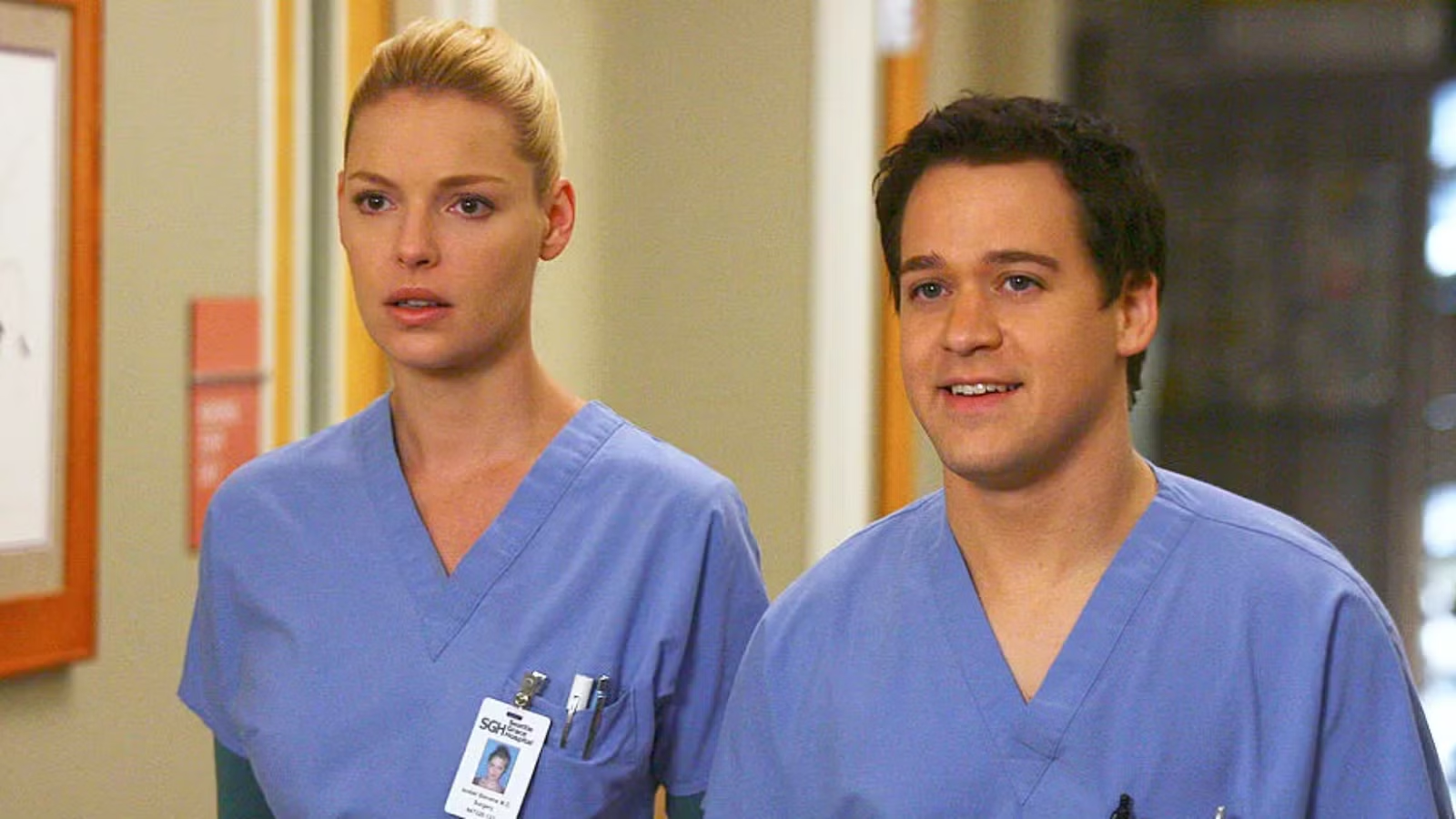
Katherine Heigl, TR Knight, and Sandra Oh in an episode of Grey's Anatomy
Grey’s Anatomy has survived longer than almost anyone expected. It can be quite hard for a network drama to last upwards of 20 seasons, especially when it’s based on a rotating cast. Nonetheless, the amount of time a show has been on air and its continuing imaginative flow differ vastly. The original magic of the show stemmed from the comedic representation of dysfunctional, yet loving relationships and genuine emotional stories. Longtime fans of the show think that, as a whole, it has changed since it first began airing. The medical cases mattered more, but they also played a part in these characters' lives. The show struck a balance between that and never losing sight of the interns trying to survive impossible hours while ruining each other’s lives in on-call rooms.
Nowadays, it just seems like Grey's is trying to redo all of that. The show still knows how to manufacture cliffhangers, complete with explosions, hostage situations, near-death experiences, and surprise pregnancies, but there’s a growing sense that the series is repeating emotional beats instead of building toward anything meaningful. That’s part of why so many fans point to earlier seasons as the show’s natural endpoint. Some argue that Season 10 would have been the right place to stop after Cristina’s departure, while others think the COVID-focused Season 17 could have worked as a surprisingly poignant conclusion. There are even viewers who believe Season 14’s wedding-centered finale, “All of Me,” gave several core characters the closest thing the series has ever had to a satisfying ending. Instead, Grey’s kept going. And now, years after Pompeo stepped back from being the show’s full-time lead, ABC is preparing to expand the universe even further.
‘Private Practice’ Worked Because It Had a Reason To Exist
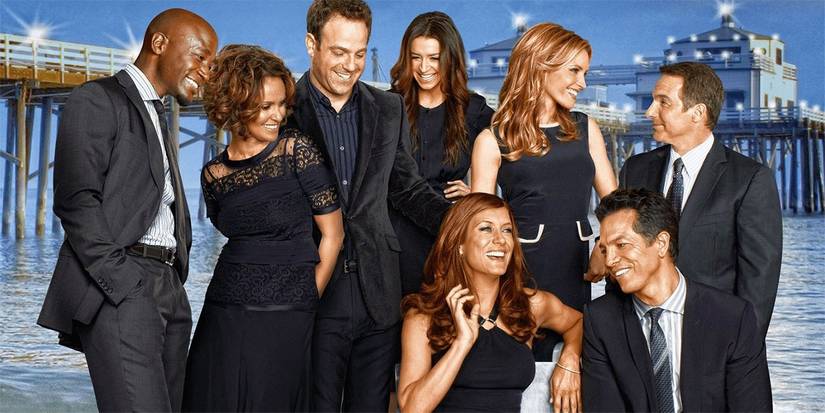
The cast of Private Practice in a promotional image.
Private Practice made sense because Addison was one of the franchise’s most beloved characters. The show also had a clear identity separate from Grey’s Anatomy. It traded Seattle’s chaotic surgical energy for a more intimate, slower-paced character drama in Los Angeles. Whether viewers loved it or not, it justified its existence almost immediately. On the other hand, Station 19 had a harder time carving out its own personality, but at least it still felt connected to the larger Grey’s world through familiar characters and frequent crossovers.
This new series doesn’t have either of those components just yet — news did just break, but where will the connections come from? Right now, the pitch mostly sounds like “Grey’s, but make it Texas.” That may change once casting details and storylines emerge, but it was the first impression fans got. A franchise can only expand so many times before audiences start noticing the machinery behind it.
ABC is turning nearly all of its biggest scripted dramas into franchises. 9-1-1 now has Nashville, The Rookie is getting The Rookie: North. One of the only ones missing is Grey's. Network television has become obsessed with expandable universes because recognizable IP is safer than launching something original from scratch. Viewers and advertisers know the name, and the network already knows there’s a built-in audience, but television history is full of franchises that kept growing long after the creative spark faded.
The Bigger Problem Is What the Spinoff Says About ‘Grey’s Anatomy’
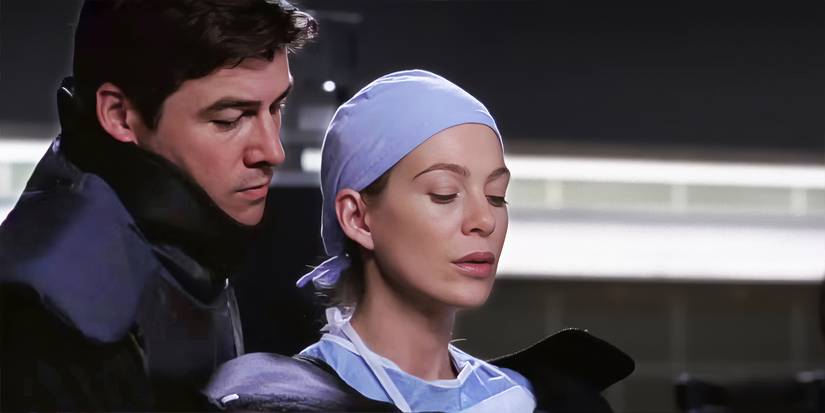
Dylan Young (Kyle Chandler) carefully guiding Meredith Grey (Ellen Pompeo) through removing a bomb in Grey's Anatomy.
What makes the timing of this announcement especially strange is that Grey’s Anatomy itself is reportedly receiving reduced episode orders for budget reasons, so while the flagship series gets smaller, the franchise keeps getting bigger. ABC clearly still sees enormous value in Grey’s Anatomy as a brand. The ratings remain solid, and the streaming numbers are strong because viewers have been tuning in to the show for numerous reasons over the course of 20 years, including as a habit, out of loyalty or nostalgia, or through an emotional connection with the show's veteran characters.
However, a show can continue to survive, sometimes for a very long time, but not necessarily have a chance to evolve. The medical drama genre has taken on a whole new approach since Grey's Anatomy began airing in 2005. The success of HBO Max's The Pitt, among others, relies heavily on the relatable realism and the emotional exhaustion that many viewers experience after watching Grey's, as well as Grey's original "glossy" style appearing more and more like an extreme version of reality TV, while maintaining some of its original elements (which was a huge part of the show's original appeal).
Yet it is hard to ignore that we, as viewers, currently see Grey's generating momentum towards a franchise rather than creative urgency. This does not indicate that the new spin-off will undoubtedly be a failure; after 20 years, Grey's has proven its critics wrong. Texas could bring a refreshing change of pace to the series. Perhaps a new group of doctors will strike a similar chord with viewers, just as they once did with Meredith and Cristina or George and Izzie.
It would just be nice if Grey's Anatomy just ended as we know it and aired reruns of Seasons 1-10. So many people would be here for that.
Be the first to comment on this article!