
As Grey's Anatomy approaches season 23, one doctor absolutely needs to return to Grey Sloan Memorial Hospital. Since its 2005 premiere, Grey's Anatomy has become one of the most infamous medical dramas of all time, irrefutably rewriting the rules of the genre with each passing year. Whether it's callously killing off a fan-favorite character, throwing its ensemble cast into the chaos of mass casualty incidents, or inventing brand-new medical terminology, Grey's Anatomy is certainly the most creative medical show on air. Yet, between the absurd and the astonishing, the ABC staple has cultivated an incredibly devoted following over the years.
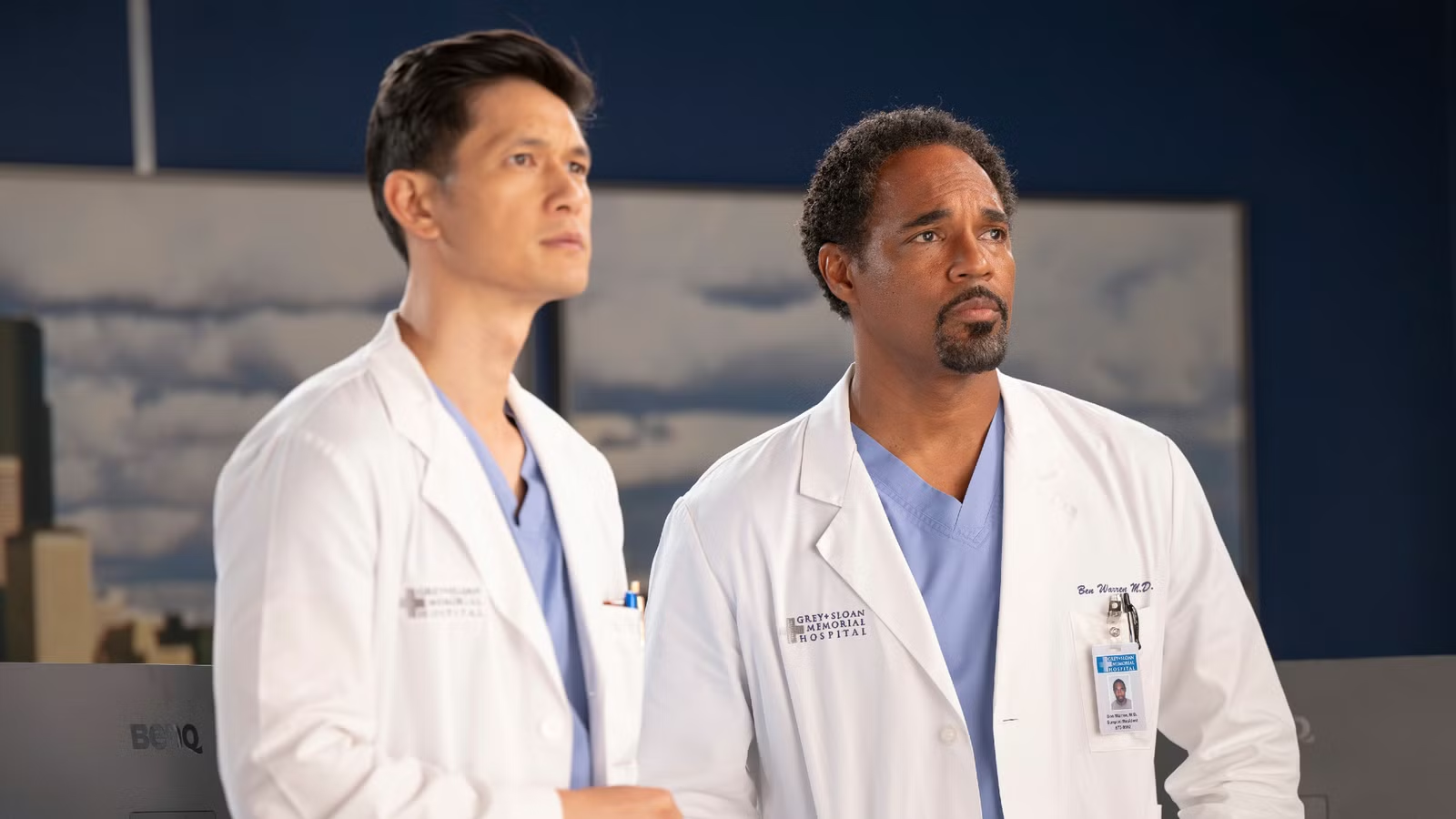
Of course, the current state of the series is a far cry from the grounded, albeit melodramatic, days of season 1. With almost every original character dead, retired, or off the grid, Grey's Anatomy season 23 will be overwhelmingly filled with later generations of interns, surgical residents, and high-powered side characters. Although the newer batches of interns are a point of contention for most viewers, even the most promising characters can be torn away at a moment's notice. Hopefully, season 23 does the opposite for Benson Kwan (Harry Shum Jr.), who was suddenly fired at the end of last season.
Dr. Benson Kwan Deserves A Redemption Arc In Grey's Anatomy Season 23
Dr. Kwan wasn't an instantly endearing character when he first appeared in 2022, raising his coworkers' hackles with a thorny demeanor that hid his past trauma à la season 1 Alex Karev (Justin Chambers). With time, however, Grey's Anatomy has delved deeper into his character, exploring his mother's illness, his rocky road to medical school, and the perpetual chip that has stayed on his shoulder. Just as viewers began warming up to the surgical resident, however, Benson Kwan was fired after secretly administering an experimental treatment without FDA approval.
The patient, Quinn Durston (Michael Weston), was an immensely sympathetic character: a single father dealing with stage four liver cancer. Furthermore, Quinn attempted to navigate the red tape alone and all above board, but his symptoms worsened after the FDA denied his request for experimental treatment— leading Benson to inject him illegally. Though it initially seemed like the decision might backfire, the patient was soon discharged from the hospital and reportedly doing well. Sadly, despite Dr. Kwan's heart being in the right place, his going rogue quickly turned into grounds for termination.
What's worse, it's still unclear whether Harry Shum Jr. will be part of the Grey's Anatomy season 23 cast, meaning his character may never get the resolution he deserves. Nevertheless, Dr. Kwan has already appeared after being fired to help the hospital deal with the bridge collapse at the end of season 22. As such, the door currently remains open for Benson Kwan to return and possibly be redeemed this fall— and it certainly wouldn't be a stretch for a doctor to be rehired after breaking the law.
Grey's Anatomy Has Forgiven Far Worse In The Past
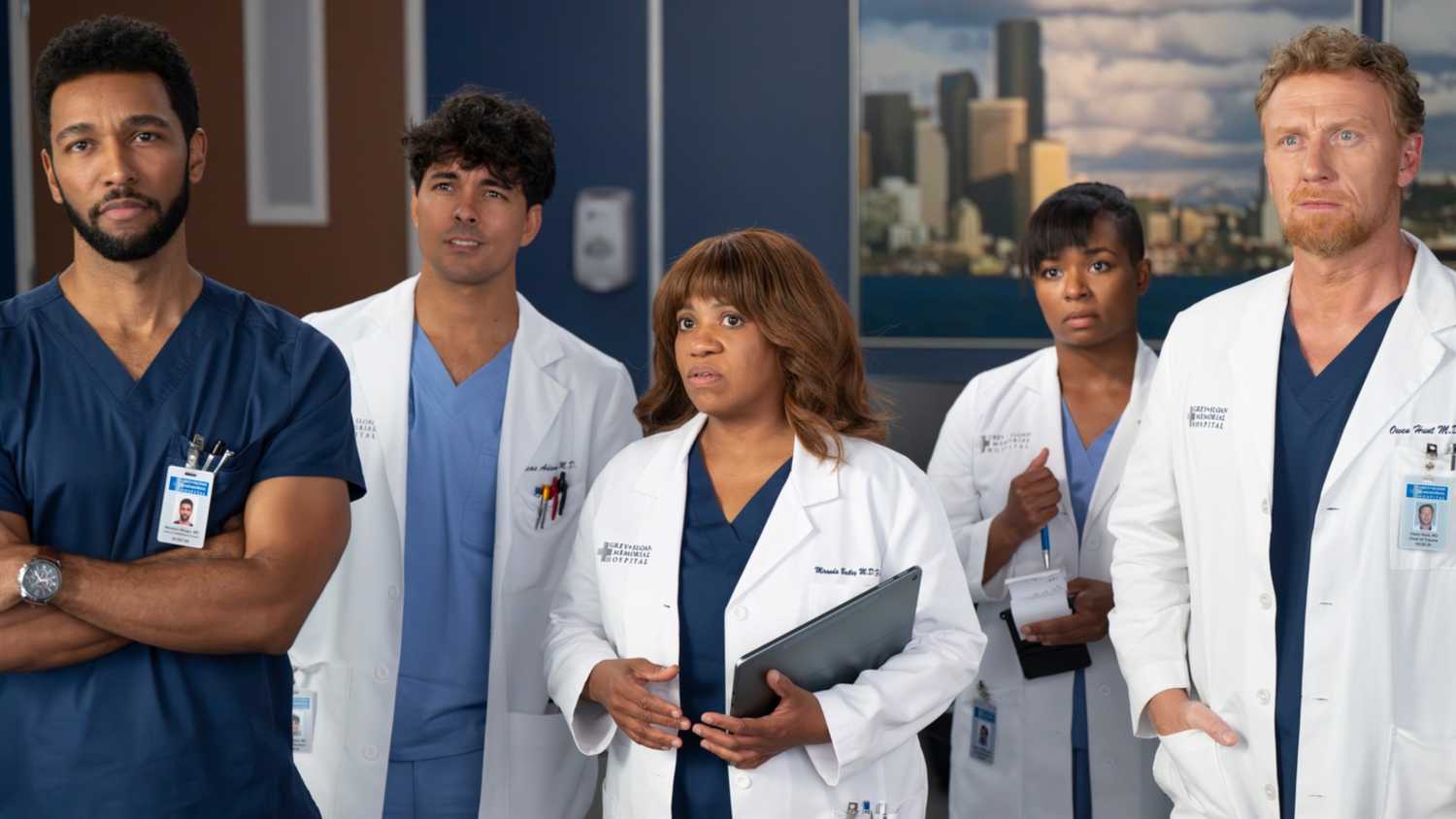
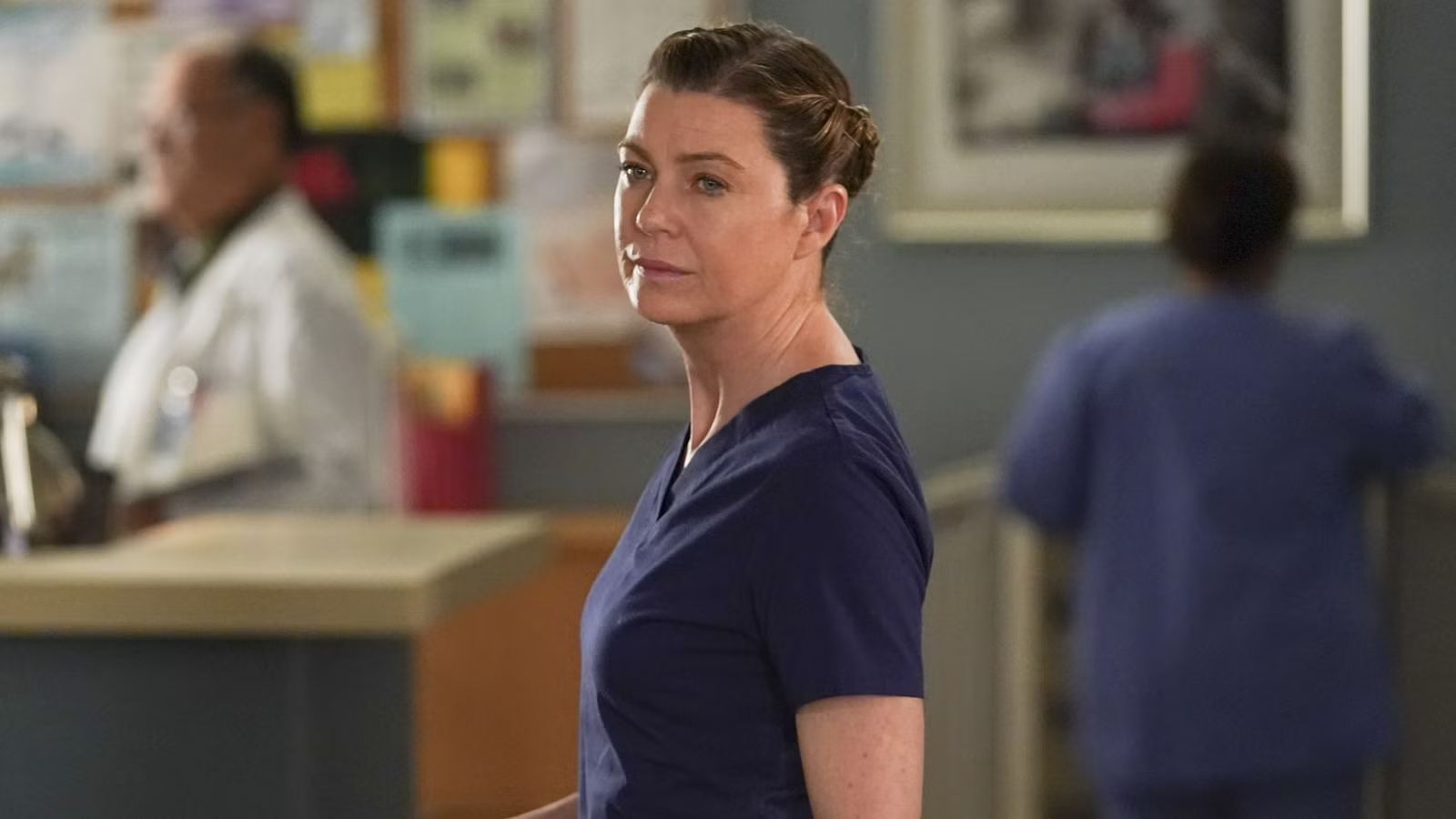
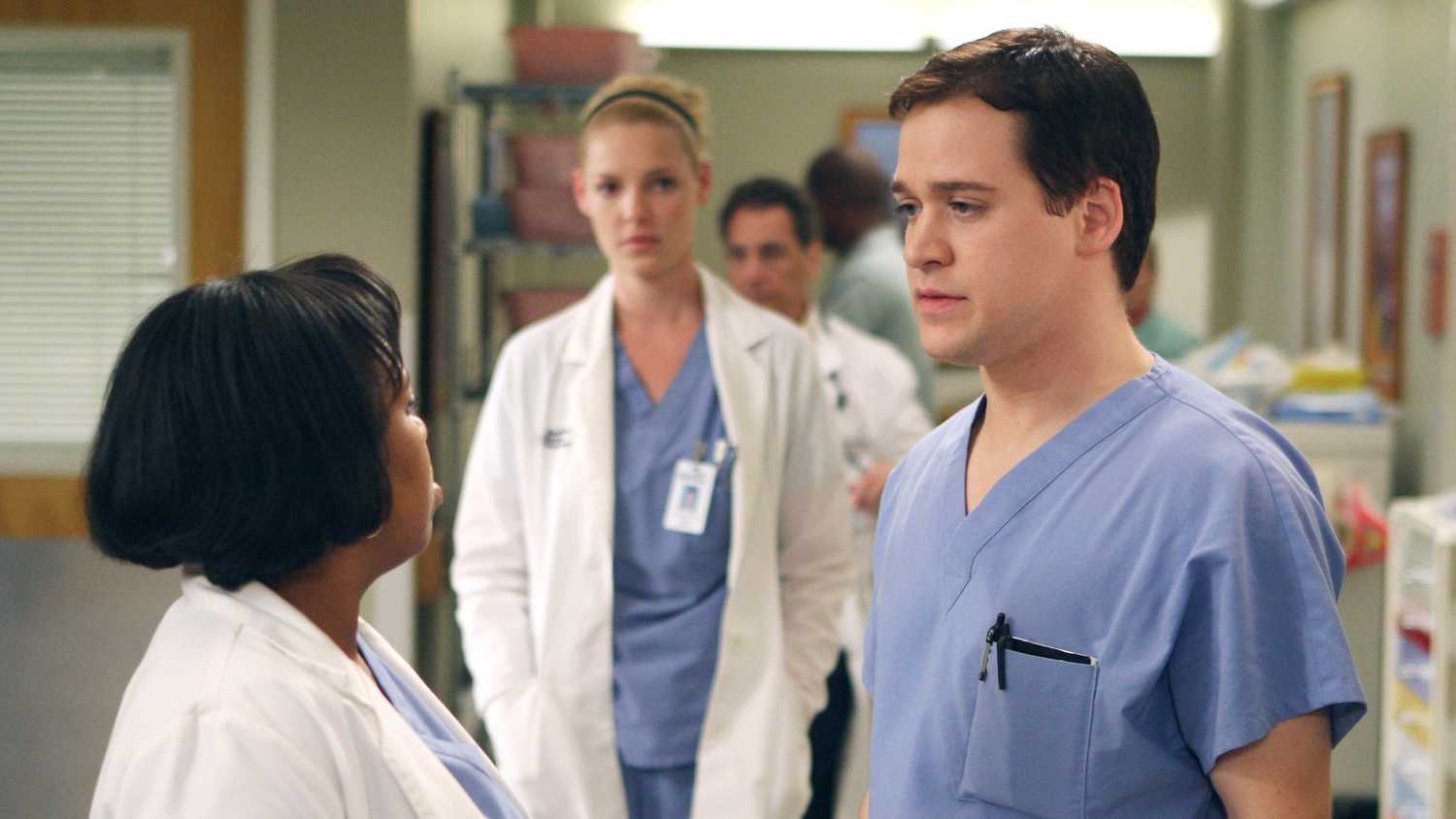
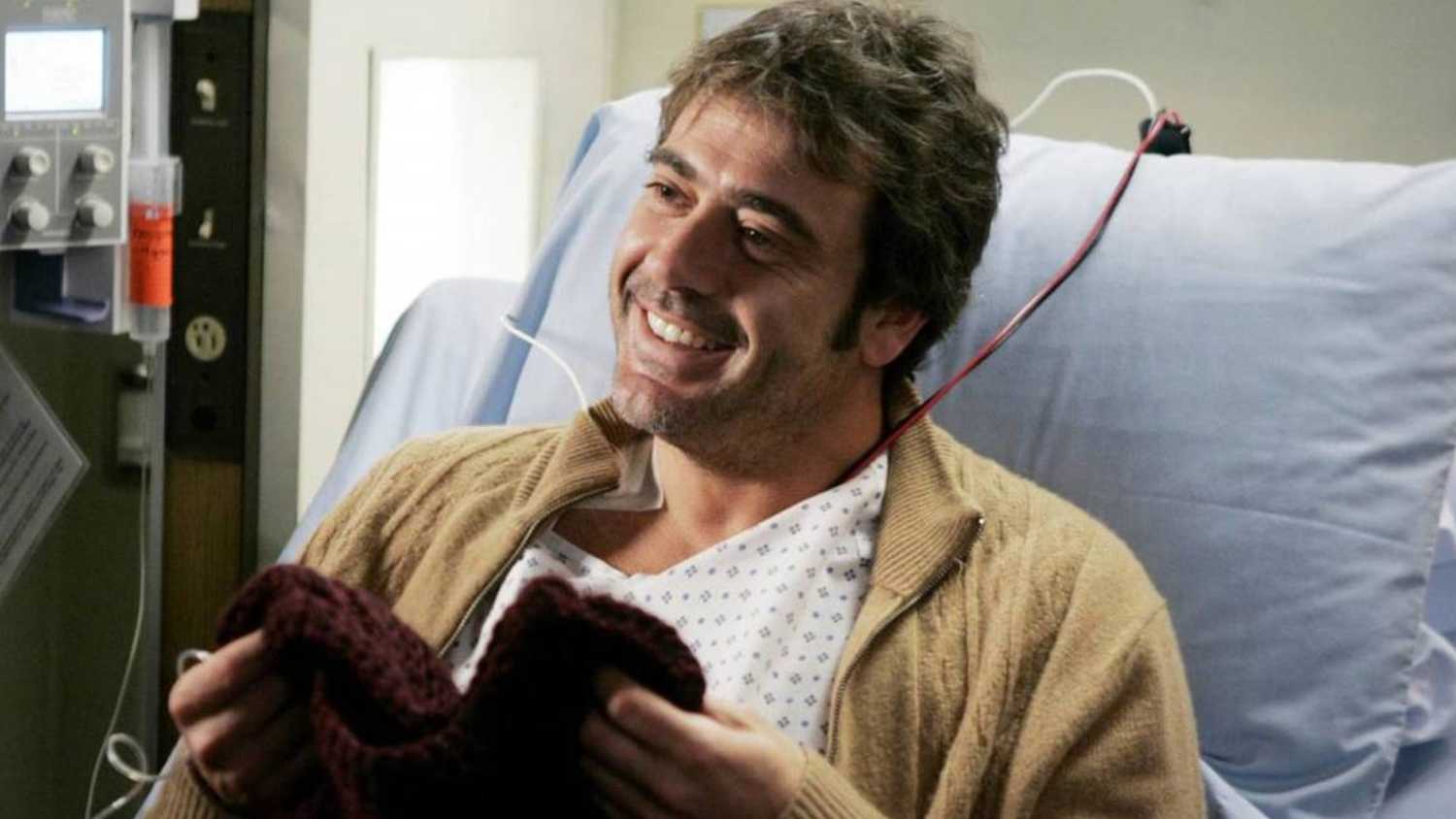
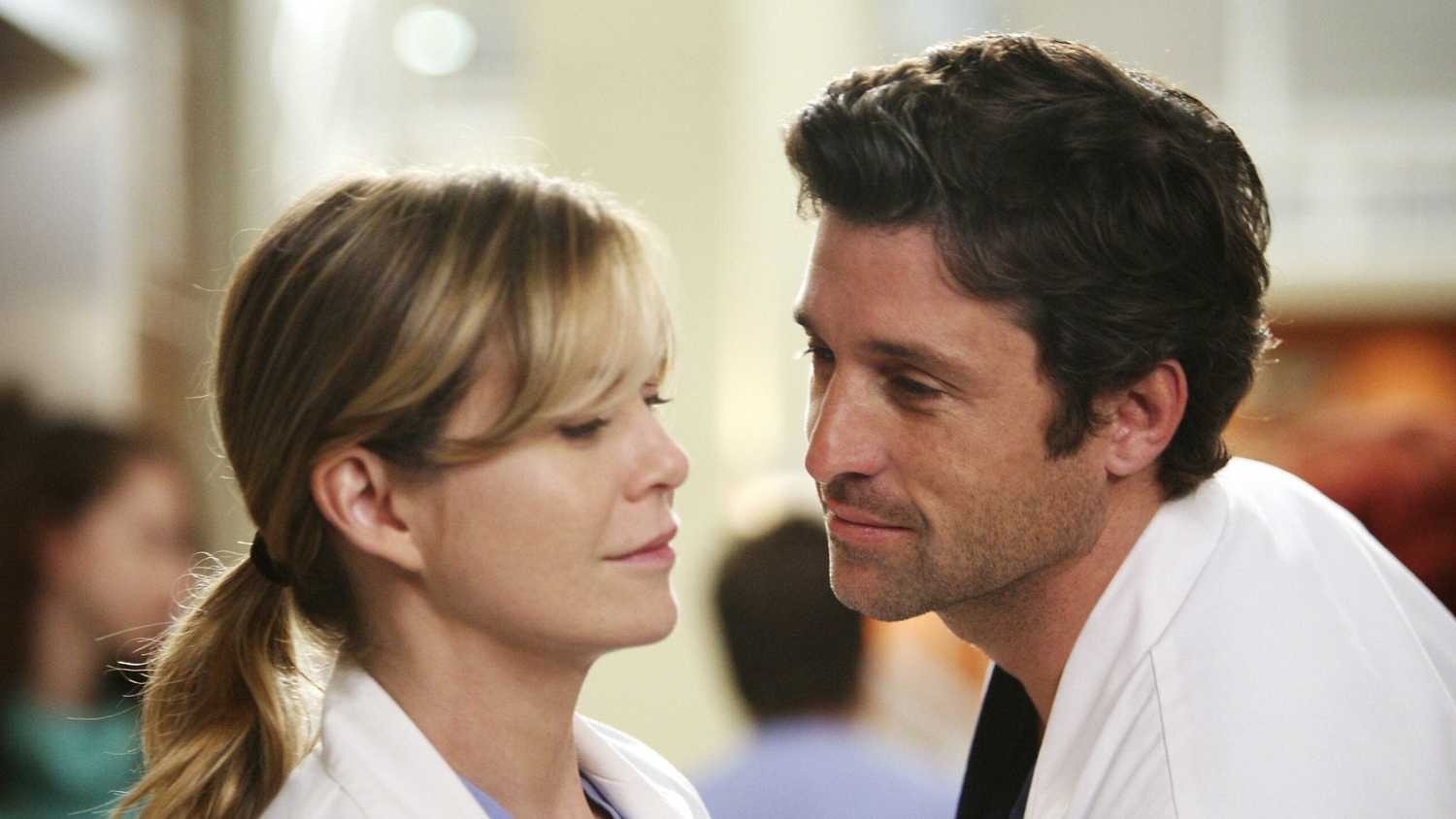
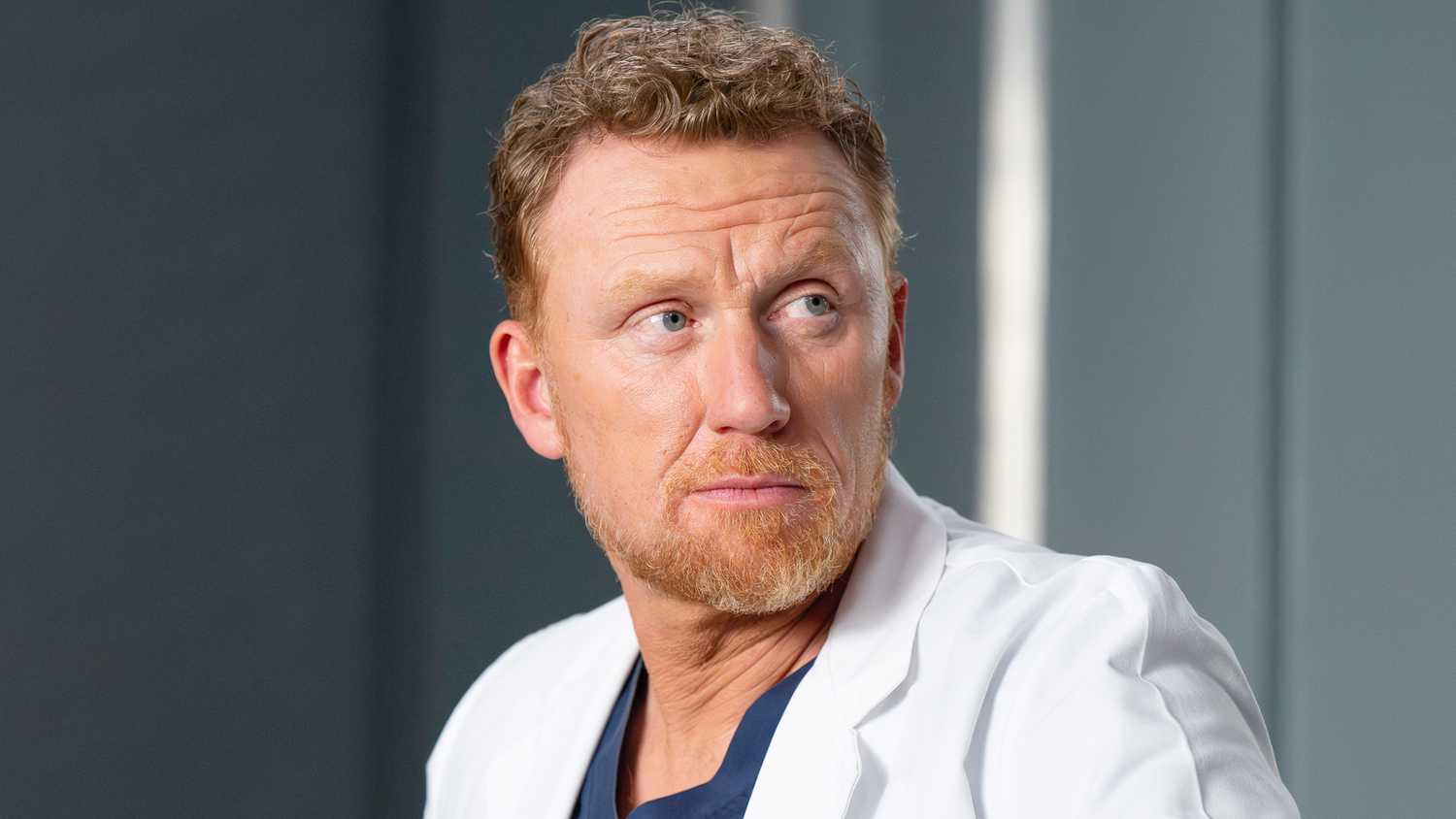
One of the defining traits of Grey's Anatomy is its lack of realistic consequences, so, admittedly, it would seem strange to start adhering to the rules now. After all, arguably the most iconic moment in the show's first ten seasons was Izzie Stevens (Katherine Heigl) cutting a patient's LVAD wire to bump him up the donor list. Similarly, numerous doctors in the main cast have committed full-blown felonies without losing their jobs.
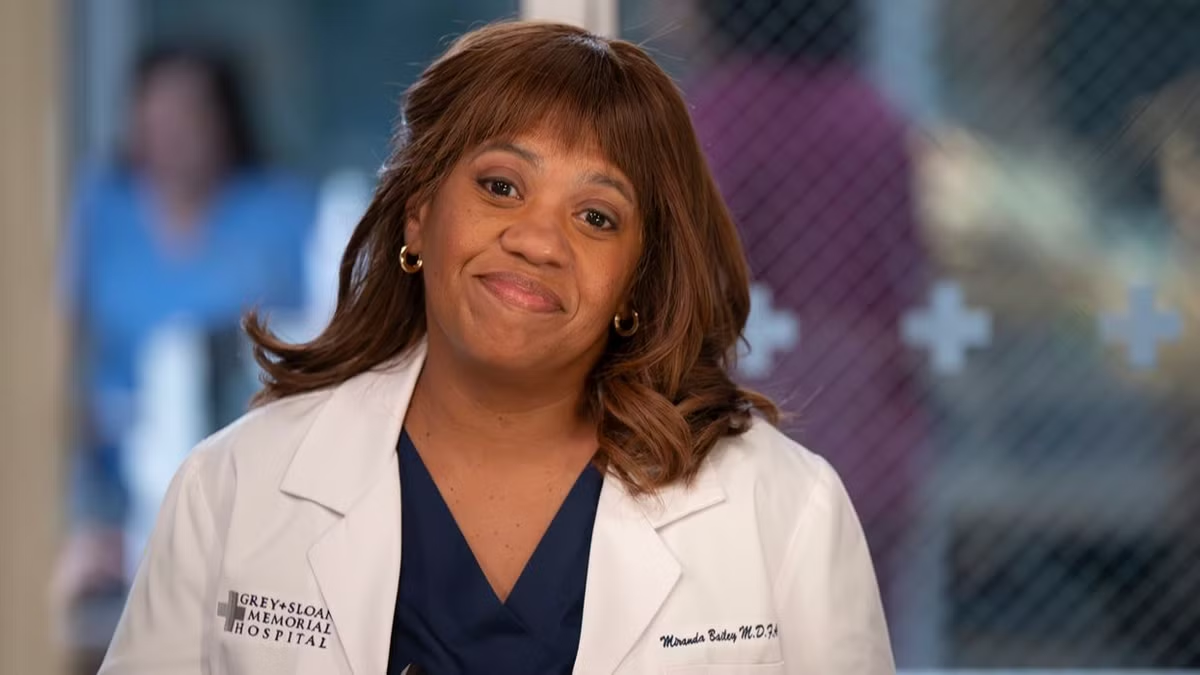
For instance, Miranda Bailey (Chandra Wilson) may be a cast mainstay, but she once administered an experimental treatment to a pediatric patient without the parents' consent. Similarly, the show's namesake, Meredith Grey (Ellem Pompeo), tampered with an FDA-approved clinical trial to ensure a patient wouldn't be given a placebo. Compared to the long list of unbelievable Grey's Anatomy moments like illegal procedures, bypassing DNRs, and rampant workplace romance, Benson Kwan's crime— while irrefutably wrong in the legal sense— feels almost tame.
Countless other doctors have faced disciplinary action or even gotten fired, only for the hospital to sweep their actions under the rug and welcome them back with open arms. As such, this scandal could be an invaluable learning opportunity that gives Dr. Kwan's character some much-needed development. Without question, Benson could easily be redeemed and grow into a beloved doctor, but Grey's Anatomy season 23 needs to confirm his involvement first.
20 Years Later, 'Grey's Anatomy' Needs To Stop Expanding
Once upon a time, the newest addition to the Grey's Anatomy roster felt like a special occasion, and there were various reasons for this, particularly the fact that someone could potentially die in increasingly ridiculous ways. But one of the biggest reasons was how well the show conveyed who the main characters were as individuals compared to virtually all other shows on network television.
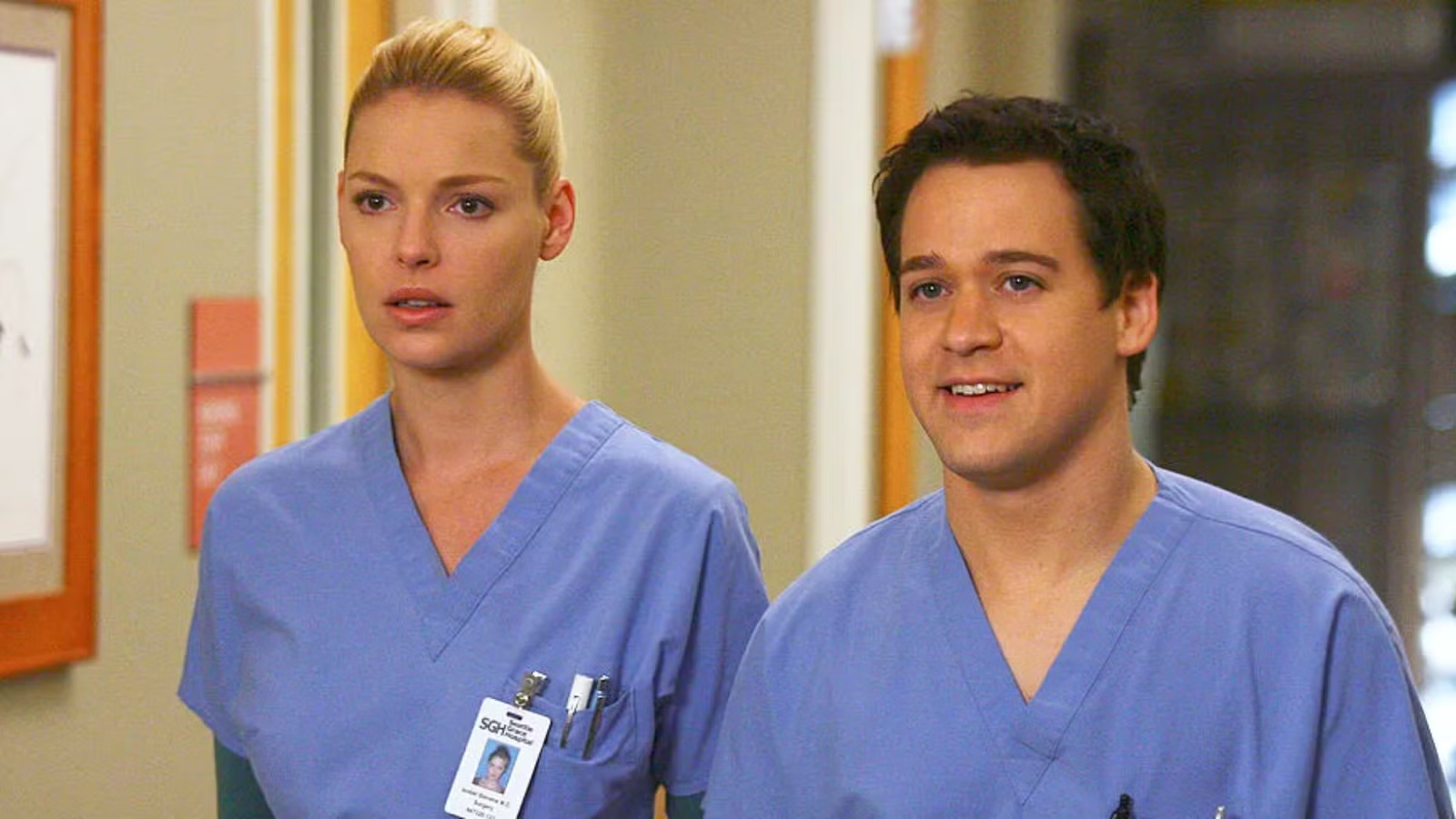
Meredith Grey (Ellen Pompeo), Cristina Yang (Sandra Oh), Alex Karev (Justin Chambers), Izzie Stevens (Katherine Heigl), and George O'Malley (T.R. Knight) built a strong connection with audiences throughout the first several seasons of the show. While all the medical calamities were very entertaining, they were ultimately worth watching only because they affected the lives of the central characters. As a result, when looking forward to ABC's Grey's Anatomy spin-off, it doesn't feel as exciting as it probably should.
The untitled series, co-created by Shonda Rhimes and current Grey’s showrunner Meg Marinis, will move the franchise to rural West Texas for the first time. Instead of centering on an established Grey’s character like Private Practice did with Addison Montgomery (Kate Walsh) or Station 19 did with Ben Warren (Jason George), this series will reportedly focus on an entirely new group of doctors.
‘Grey’s Anatomy’ Already Feels Like a Different Show Than the One Fans Fell in Love With
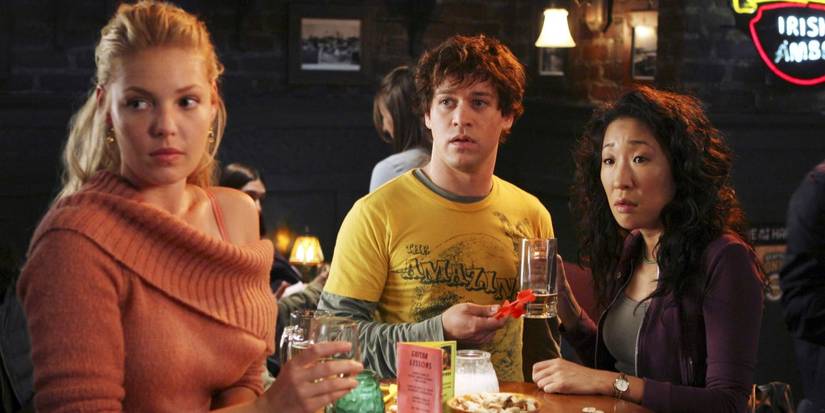
Katherine Heigl, TR Knight, and Sandra Oh in an episode of Grey's Anatomy
Grey’s Anatomy has survived longer than almost anyone expected. It can be quite hard for a network drama to last upwards of 20 seasons, especially when it’s based on a rotating cast. Nonetheless, the amount of time a show has been on air and its continuing imaginative flow differ vastly. The original magic of the show stemmed from the comedic representation of dysfunctional, yet loving relationships and genuine emotional stories. Longtime fans of the show think that, as a whole, it has changed since it first began airing. The medical cases mattered more, but they also played a part in these characters' lives. The show struck a balance between that and never losing sight of the interns trying to survive impossible hours while ruining each other’s lives in on-call rooms.
Nowadays, it just seems like Grey's is trying to redo all of that. The show still knows how to manufacture cliffhangers, complete with explosions, hostage situations, near-death experiences, and surprise pregnancies, but there’s a growing sense that the series is repeating emotional beats instead of building toward anything meaningful. That’s part of why so many fans point to earlier seasons as the show’s natural endpoint. Some argue that Season 10 would have been the right place to stop after Cristina’s departure, while others think the COVID-focused Season 17 could have worked as a surprisingly poignant conclusion. There are even viewers who believe Season 14’s wedding-centered finale, “All of Me,” gave several core characters the closest thing the series has ever had to a satisfying ending. Instead, Grey’s kept going. And now, years after Pompeo stepped back from being the show’s full-time lead, ABC is preparing to expand the universe even further.
‘Private Practice’ Worked Because It Had a Reason To Exist
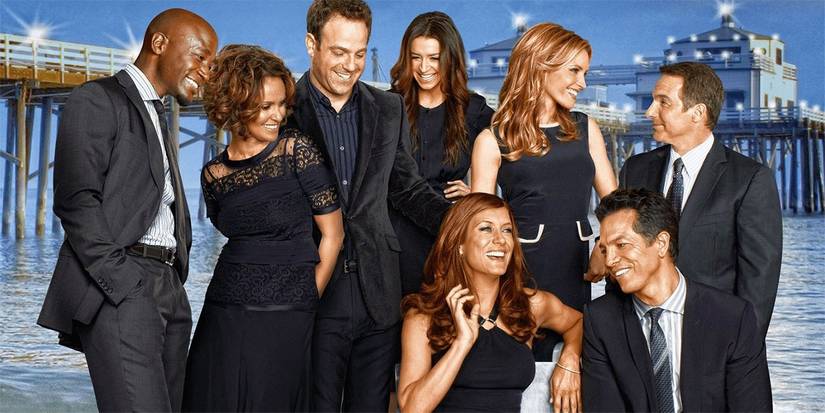
The cast of Private Practice in a promotional image.
Private Practice made sense because Addison was one of the franchise’s most beloved characters. The show also had a clear identity separate from Grey’s Anatomy. It traded Seattle’s chaotic surgical energy for a more intimate, slower-paced character drama in Los Angeles. Whether viewers loved it or not, it justified its existence almost immediately. On the other hand, Station 19 had a harder time carving out its own personality, but at least it still felt connected to the larger Grey’s world through familiar characters and frequent crossovers.
This new series doesn’t have either of those components just yet — news did just break, but where will the connections come from? Right now, the pitch mostly sounds like “Grey’s, but make it Texas.” That may change once casting details and storylines emerge, but it was the first impression fans got. A franchise can only expand so many times before audiences start noticing the machinery behind it.
ABC is turning nearly all of its biggest scripted dramas into franchises. 9-1-1 now has Nashville, The Rookie is getting The Rookie: North. One of the only ones missing is Grey's. Network television has become obsessed with expandable universes because recognizable IP is safer than launching something original from scratch. Viewers and advertisers know the name, and the network already knows there’s a built-in audience, but television history is full of franchises that kept growing long after the creative spark faded.
The Bigger Problem Is What the Spinoff Says About ‘Grey’s Anatomy’
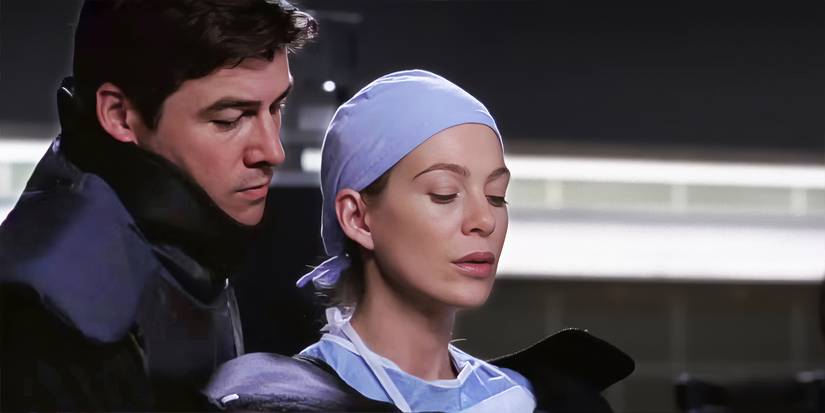
Dylan Young (Kyle Chandler) carefully guiding Meredith Grey (Ellen Pompeo) through removing a bomb in Grey's Anatomy.
What makes the timing of this announcement especially strange is that Grey’s Anatomy itself is reportedly receiving reduced episode orders for budget reasons, so while the flagship series gets smaller, the franchise keeps getting bigger. ABC clearly still sees enormous value in Grey’s Anatomy as a brand. The ratings remain solid, and the streaming numbers are strong because viewers have been tuning in to the show for numerous reasons over the course of 20 years, including as a habit, out of loyalty or nostalgia, or through an emotional connection with the show's veteran characters.
However, a show can continue to survive, sometimes for a very long time, but not necessarily have a chance to evolve. The medical drama genre has taken on a whole new approach since Grey's Anatomy began airing in 2005. The success of HBO Max's The Pitt, among others, relies heavily on the relatable realism and the emotional exhaustion that many viewers experience after watching Grey's, as well as Grey's original "glossy" style appearing more and more like an extreme version of reality TV, while maintaining some of its original elements (which was a huge part of the show's original appeal).
Yet it is hard to ignore that we, as viewers, currently see Grey's generating momentum towards a franchise rather than creative urgency. This does not indicate that the new spin-off will undoubtedly be a failure; after 20 years, Grey's has proven its critics wrong. Texas could bring a refreshing change of pace to the series. Perhaps a new group of doctors will strike a similar chord with viewers, just as they once did with Meredith and Cristina or George and Izzie.
It would just be nice if Grey's Anatomy just ended as we know it and aired reruns of Seasons 1-10. So many people would be here for that.
Be the first to comment on this article!