
“Blue Bloods” Actors On Show’s Success And Their Close-Knit On-Screen Family
For 14 seasons, Blue Bloods built something increasingly rare in modern television: a police drama that was just as interested in what happened after the badge came off as it was in what happened on the streets of New York.
At the heart of the CBS series was the Reagan family, a multigenerational law-enforcement dynasty whose members frequently disagreed about policing, loyalty and personal choices—but who repeatedly found their way back to one another.
That sense of family became one of the show’s defining strengths.
For the actors who brought the Reagans to life, the chemistry between the cast was not simply something written into the scripts. It became an essential part of the show’s identity, helping transform Blue Bloods from another police procedural into a long-running family drama with a fiercely loyal audience.
The Reagan Family Was Always The Heart Of The Show
From the beginning, Blue Bloods had a clear premise.
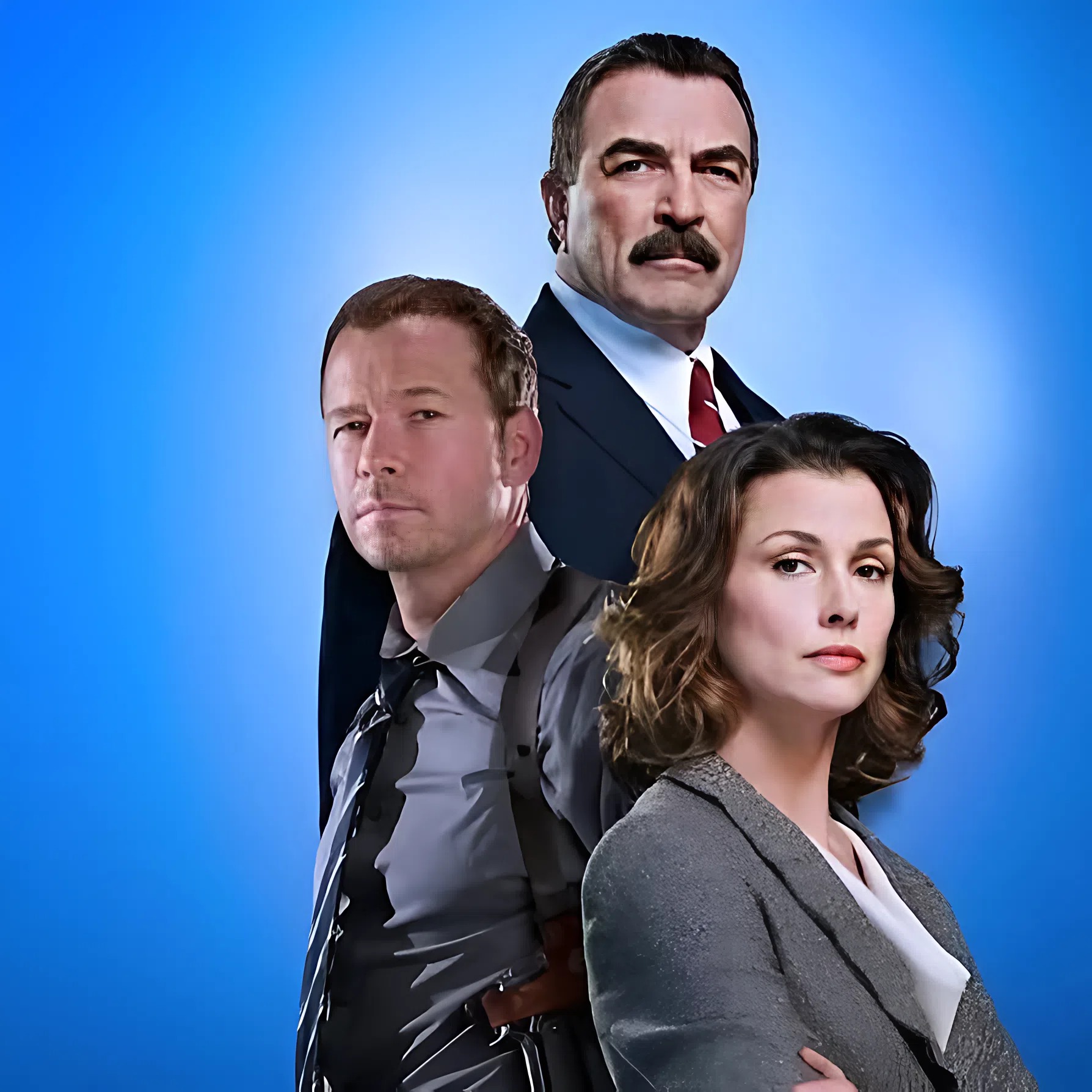
Frank Reagan, played by Tom Selleck, served as New York City’s police commissioner while raising a family in which nearly everyone had some connection to law enforcement.
His father, Henry Reagan, represented an older generation of policing.
His children—including Danny, Erin and Jamie—represented different perspectives on justice, authority and responsibility.
That structure gave the writers countless opportunities to create conflict without destroying the family’s underlying bond.
The Reagans could argue fiercely.
They could question one another’s decisions.
They could even disagree about what justice meant.
But when one of them was in trouble, the family usually stood together.
The Famous Reagan Dinner Table
Few locations became more closely associated with Blue Bloods than the Reagan family dinner table.
These scenes were more than a recurring visual tradition.
They became the show’s emotional centerpiece.
At the dinner table, professional hierarchies disappeared.
Frank was not simply the police commissioner.
Danny was not simply a detective.
Erin was not simply an assistant district attorney.
Jamie was not simply a police officer.
They were family.
The dinner scenes allowed the characters to debate issues, share personal stories and occasionally challenge one another in ways that would have been impossible during a police investigation.
That balance helped make the series distinctive.
Tom Selleck Anchored The Family
At the center of the ensemble was Tom Selleck’s Frank Reagan.
Frank could be authoritative without becoming emotionally distant, and that balance was crucial to the character.
As commissioner, he was expected to make difficult decisions affecting thousands of officers.
As a father, however, he was constantly dealing with the much more complicated responsibility of guiding his children.
The contradiction gave Frank depth.
He could command a room at work, yet sometimes struggle to know how much control he should exercise over his adult children.
Selleck’s performance helped establish Frank as the quiet center of the Reagan family.
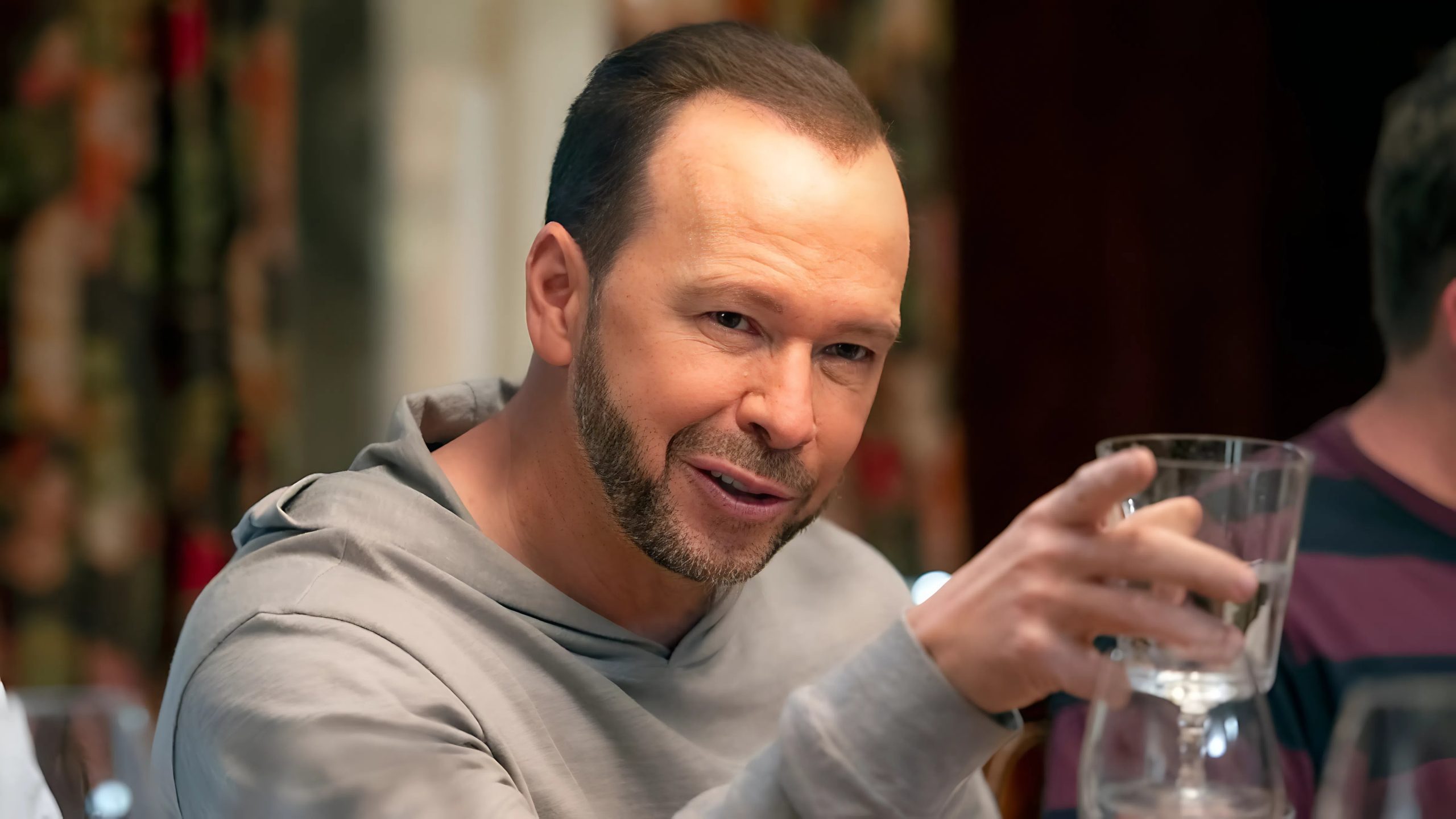
Donnie Wahlberg Brought Intensity To Danny
Donnie Wahlberg brought a very different energy to Danny Reagan.
Danny was passionate, stubborn and intensely protective of both his family and his work.
His approach to policing frequently put him at odds with other characters.
He could be impulsive.
He could push boundaries.
And he could become emotionally invested in cases.
But underneath that intensity was a character driven by loyalty.
Danny’s relationship with Frank was particularly important because father and son often represented two different approaches to the same problem.
Their arguments gave the show some of its strongest dramatic tension.
Bridget Moynahan Added A Different Perspective
Bridget Moynahan played Erin Reagan, whose position as an assistant district attorney created an important contrast with her brothers.
Erin worked within the legal system from a different angle.
That allowed the show to explore disagreements about policing and prosecution without turning either side into an obvious villain.
Her debates with Danny were especially effective.
Both characters believed they were protecting the public.
They simply did not always agree on how that protection should work.
Their relationship demonstrated one of the show’s most enduring ideas: family members can fundamentally disagree without ceasing to love one another.
Will Estes And Jamie’s Journey
Will Estes played Jamie Reagan, whose career progression became one of the show’s longer-running character arcs.
Jamie entered the NYPD with an idealistic perspective and gradually gained experience.
His relationships with other officers, his family and his colleagues helped the audience see how difficult it could be to balance personal principles with professional responsibilities.
His dynamic with Frank also became increasingly interesting as Jamie developed into an accomplished officer in his own right.
Father and son could respect each other while still disagreeing.
That tension reflected the broader Reagan family philosophy.
The Cast Chemistry Extended Beyond The Script
The show’s success depended heavily on the chemistry among its performers.
A family drama can only work when viewers believe the characters genuinely know one another.
The Reagan actors had to communicate years of history through small gestures, disagreements and conversations.
That sense of familiarity became particularly important during the dinner scenes.
The actors needed to make those sequences feel natural rather than like formal exposition.

Over time, the dinner table became almost a character in itself.
Family Conflict Kept The Story Moving
The Reagans’ closeness did not mean they always had peaceful relationships.
Quite the opposite.
Their disagreements were often what made the family compelling.
Danny and Jamie could approach police work differently.
Frank could clash with his children over personal choices.
Erin could challenge her brothers over legal strategy.
Henry could question Frank’s decisions from the perspective of an older generation.
These conflicts gave the show emotional variety.
The characters did not simply agree because they were related.
They challenged each other precisely because they cared.
Loss Was Part Of The Family Story
The Reagan family also experienced significant losses throughout the series.
Those moments changed the emotional landscape of the show.
The death of a loved one could affect every member of the family differently, while shared grief reinforced the idea that the Reagans relied on one another during their darkest moments.
The series understood that family bonds become most visible during difficult times.
Instead of using tragedy solely for shock value, the show often explored what happened afterward.
How did the family cope?
How did relationships change?
And how did the characters continue their responsibilities while carrying personal grief?
Why Viewers Became So Attached
The appeal of Blue Bloods was never limited to police cases.
The show offered a sense of continuity.
Viewers returned week after week to spend time with familiar characters whose relationships evolved gradually.
That familiarity created a strong emotional connection.
The Reagans were flawed.
They argued.
They made mistakes.
They sometimes failed to understand one another.
But they continued showing up for each other.
That consistency became part of the show’s comfort.
A Police Drama With A Different Rhythm
Many police procedurals focus primarily on the investigation.
Blue Bloods frequently used the investigation as a doorway into something larger.
A case could lead to a discussion about justice.
A police decision could create a family argument.
A personal problem could influence a professional choice.
The boundaries between work and home were constantly shifting.
That structure allowed the show to appeal to viewers who enjoyed crime dramas as well as audiences interested in character-driven family stories.
The Actors Became Part Of The Show’s Legacy
The longevity of Blue Bloods ultimately reflected the strength of its ensemble.
The actors developed characters who could carry both professional storylines and intimate family scenes.
That combination is difficult to sustain over many seasons.
Yet the Reagan family remained recognizable because its central relationships stayed intact even as circumstances changed around them.
The performances gave the scripts an emotional foundation.
The Reagan Family’s Enduring Appeal
At its core, Blue Bloods was built around a simple idea: family can disagree without falling apart.
The Reagan family represented different generations, professions and personalities.
They did not always share the same worldview.
But they shared a history.
And that history mattered.
The famous family dinners became the clearest expression of that philosophy.
No matter how chaotic the week had been, the Reagans could return to the same table.
They could argue.
They could laugh.
They could remember those who were no longer there.
And, ultimately, they could remain a family.
A Legacy Built On Chemistry
The success of Blue Bloods was never the result of one actor or one storyline.
It came from an ensemble that made the Reagan family feel believable.
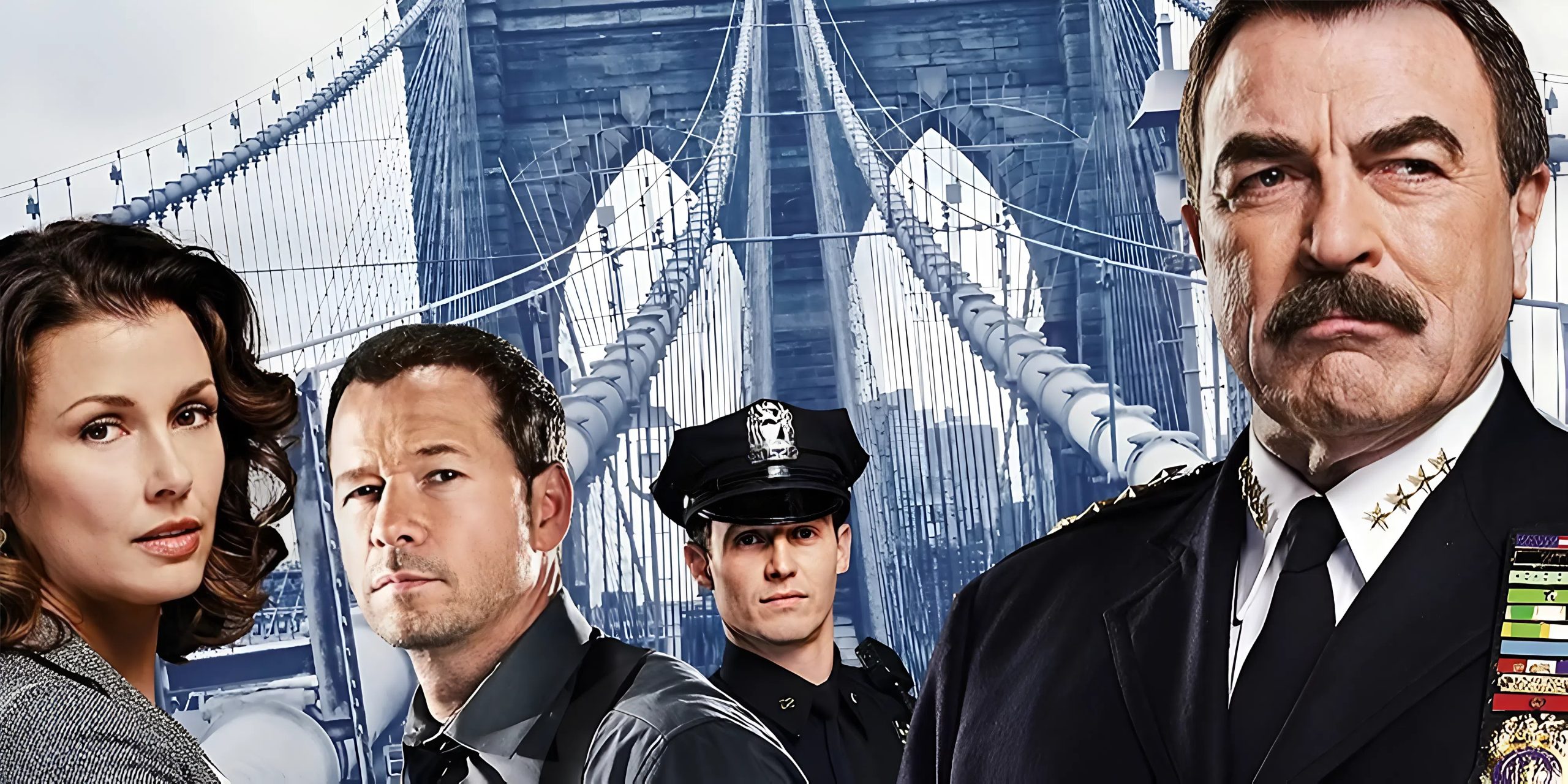
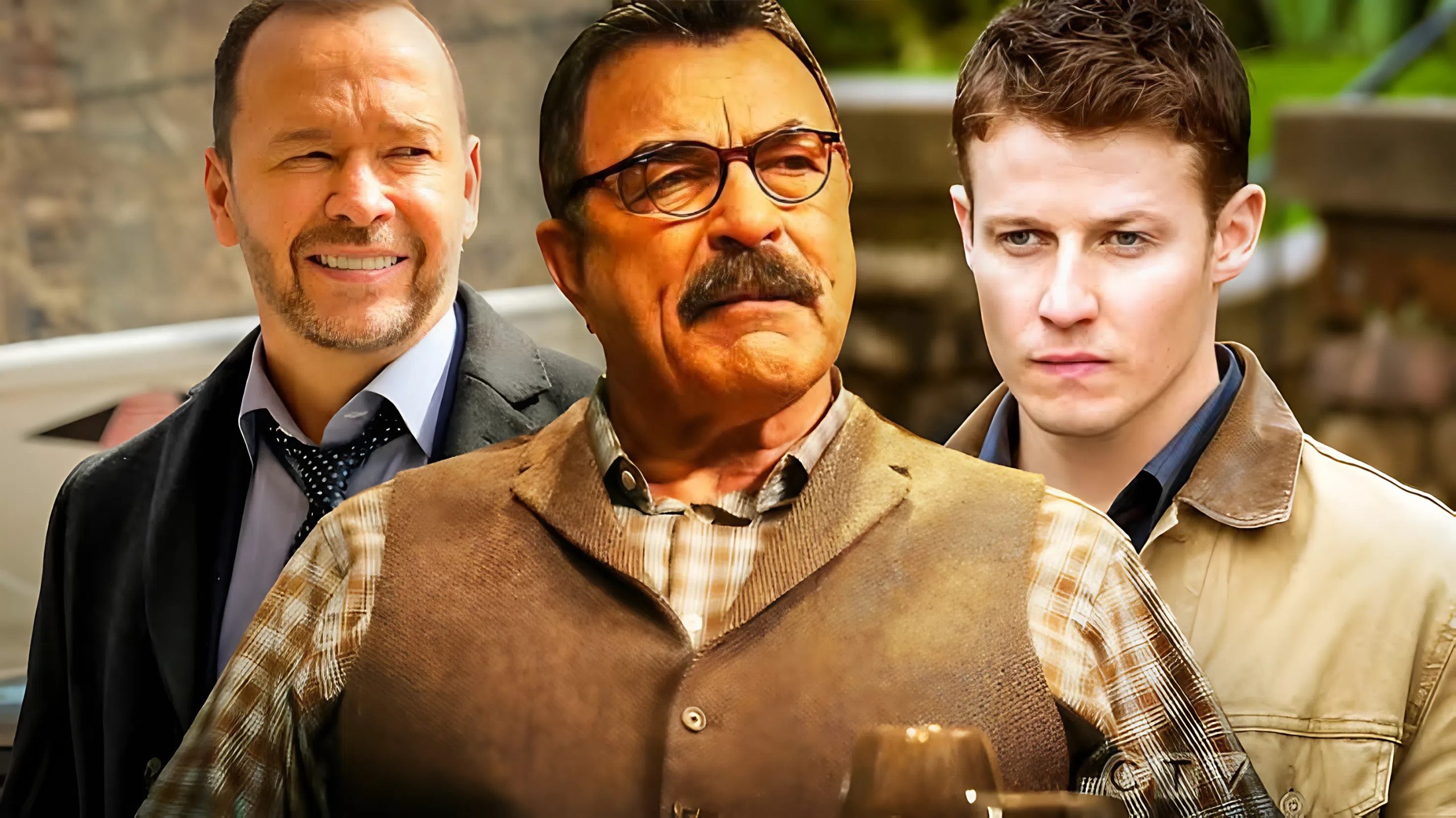
Tom Selleck’s authority, Donnie Wahlberg’s intensity, Bridget Moynahan’s precision and Will Estes’ emotional development all contributed to a family dynamic that became the show’s signature.
The series proved that a police drama could be about much more than crime.
It could be about responsibility, loyalty, disagreement, grief and the complicated bonds between generations.
That is why the Reagan family became the true heart of Blue Bloods. The cases may have brought viewers to New York each week, but the family kept them coming back. Through fourteen seasons of triumphs, losses, arguments and reconciliations, the cast created an on-screen family whose greatest strength was never that they agreed—it was that, despite everything, they never stopped showing up for one another.
The sudden passing of the actor: A major shock for the *Blue Bloods* cast and crew
For 14 years, fans enjoyed watching the beloved Reagan family solve tough cases and enjoy their weekly Sunday night dinners. Over the years, the faces around the dinner table and in the squad cars have changed for various reasons, with new characters appearing and a few main characters leaving before fans were ready to say goodbye.
Find out why your favorite Blue Bloods characters, portrayed by actresses such as Jennifer Esposito and Sami Gayle, left the series unexpectedly.
Jennifer Esposito
Craig Blankenhorn / © CBS / Courtesy: Everett Collection
One of the earlier character departures was Jennifer Esposito’s Detective Jackie Curatola, partner to Detective Danny Reagan (Donnie Wahlberg). Jackie had an extremely abrupt exit, starring on the show until the 7th episode of Season 3. The on-screen explanation for the character’s departure was that she took a leave of absence from the NYPD to deal with burnout and stress.
In real life, Esposito was dealing with a diagnosis of celiac disease, which led to an on-set collapse because of the demands of the production schedule. CBS announced that the actress was only available part-time, leading to her departure, but Esposito shared on Twitter that that wasn’t the case. She said her doctor requested she be put on a reduced schedule, to which CBS allegedly declined and instead put her on unpaid leave, not allowing her to work anywhere else. The character was then written out of the series, though she did later appear as a guest star in the final seasons of the show.
Amy Carlson
Craig Blankenhorn/©CBS/courtesy Everett Collection
Amy Carlson, who portrayed Danny’s wife Linda Reagan, left the show unexpectedly after its 7th season, leaving fans stunned. Her on-screen exit was an abrupt one, having been explained in the season 8 premiere with no final appearance by Carlson.
In the series, it was said that Linda had died in a helicopter crash—which later turned out not to have been an accident—after surviving a house fire in the season 7 finale. The character’s death was not shown on-screen; rather, it was done off-camera between the 7th and 8th seasons. Fans were upset by the way it was portrayed in the show, with no closure for the character.
Executive producer Kevin Wade explained this decision, saying, “If we opened with a funeral, it would feel so immediate and the characters would be mourning for at least one-third of the season. That’s what drove the decision to use Linda’s death as a touchstone, but not having it drive the tone of the series.”
In real life, Carlson decided not to continue on the series after her seven-year contract ended. Instead, she moved on to pursue other projects, which surprised Wade and co-stars like Wahlberg, who expected Carlson to stay on the show.
Sami Gayle
Jojo Whilden / ©CBS / courtesy Everett Collection
Nicky Reagan, daughter of Erin Reagan (Bridget Moynahan), was a main character in Blue Bloods for 10 years before the actress decided to leave. Her timing coincided with the character growing up and moving out, so it wasn’t a huge surprise when she left. On-screen, Nicky accepted a job in San Francisco after graduating from Columbia University, making it hard for the character to be in New York too often.
Off-screen, it seems the reason for her exit was similar, as Gayle was attending Columbia as well, and the schedule conflicted with her appearances. Gayle left the series midway through the 10th season, returning one time each in seasons 11, 13 and 14.
Flex Alexander
Craig Blankenhorn / © CBS / Courtesy: Everett Collection
You may not remember this exit, but Flex Alexander, who portrayed Detective Demarcus King and partner to Danny, left after only one episode. Alexander, who appeared in the pilot episode, was originally slated to star alongside Wahlberg as his

Be the first to comment on this article!