
Blue Bloods’ Jennifer Esposito Details “Excruciating” Psych Ward Stay | E! News
Jennifer Esposito is opening up about an intensely difficult chapter of her life, offering a candid glimpse into an experience she has described as deeply painful and emotionally overwhelming. Known to television audiences for her memorable work on Blue Bloods, the actress has spent years portraying strong, complicated characters on screen. Away from the cameras, however, her own journey has included moments that demanded a very different kind of strength.
Her discussion of a psychiatric-ward stay brings a deeply personal dimension to the public image audiences have built around her career. Rather than presenting the experience as a simple Hollywood anecdote, Esposito’s account points toward the emotional complexity of reaching a point where professional help becomes necessary.
The revelation has also prompted renewed interest in the actress’s perspective on vulnerability, recovery and the enormous pressure that can accompany life in the public eye.
Jennifer Esposito Shares A Difficult Chapter
For many viewers, Jennifer Esposito is associated with confident, determined characters who rarely hesitate when faced with adversity.
That makes her willingness to discuss an extremely difficult personal experience particularly striking.
A psychiatric-ward stay is not an easy subject for anyone to discuss publicly. There can be fear, embarrassment and uncertainty surrounding the decision to seek treatment, particularly for someone whose career has placed her constantly in the public spotlight.
Esposito’s comments offer a reminder that even people who appear successful and resilient can experience moments when they need professional support.
Her story also challenges the assumption that strength means handling everything alone.
An Experience She Describes As “Excruciating”
The actress’s description of the experience as “excruciating” immediately communicates how emotionally difficult that period was.
The word suggests something far more complicated than an uncomfortable few days.
For someone entering psychiatric care, the experience can involve uncertainty about what happens next, unfamiliar surroundings and difficult conversations about deeply personal circumstances.
The emotional intensity can be overwhelming.
Yet Esposito’s decision to revisit the experience publicly suggests that she is no longer interested in hiding the difficult parts of her story simply because they do not fit the polished image often associated with entertainment careers.
Instead, she appears willing to acknowledge that some chapters of life are painful precisely because they force people to confront realities they would rather avoid.
The Difference Between Strength And Silence
One of the most significant themes surrounding Esposito’s account is the distinction between being strong and remaining silent.
For decades, entertainment culture has often celebrated performers who maintain an image of confidence regardless of what may be happening privately.
But emotional struggles do not disappear simply because someone has a successful career.
Esposito’s story offers another perspective.
Sometimes strength means acknowledging that something is wrong.
Sometimes it means accepting help.
And sometimes it means looking back at an experience that was deeply painful and finding a way to talk about it without allowing that experience to define the rest of your life.
Her Public Image Adds Another Layer
Esposito’s career has frequently placed her in roles where characters must remain composed under pressure.
That contrast makes her personal revelations especially compelling to audiences.
Viewers become accustomed to seeing actors transform into characters who know exactly what to say and how to respond when everything goes wrong.
Real life does not work that way.
There is no script.
There is no guarantee that the right decision will become obvious.
And there is rarely a neat resolution after one difficult conversation.
By speaking about her own experience, Esposito provides a glimpse behind the carefully constructed world of television and film.
What Her Story Says About Asking For Help
Perhaps the most important element of Esposito’s discussion is the broader conversation surrounding mental-health support.
Seeking treatment can still carry stigma.
People may worry about how their family, friends, employers or colleagues will react.
Public figures face an additional complication because their personal experiences can become news.
That makes Esposito’s willingness to speak publicly particularly significant.
Her story does not suggest that difficult experiences can simply be overcome overnight.
Instead, it highlights the reality that seeking assistance can be part of moving forward.
Life Behind The Camera
Fans often associate actors with the characters they portray.
With Blue Bloods, that connection can be particularly strong because the series built much of its appeal around family, duty, loyalty and personal sacrifice.
Esposito’s work within that world contributed to the show’s larger emotional landscape.
But the person behind the character has a life that exists completely outside the fictional universe.
Her comments offer an important distinction between performer and role.
The strength viewers see on television is part of a carefully written story.
The challenges Esposito experienced in her own life were not.
That difference makes her reflections feel especially personal.
The Pressure Of Being A Public Figure
Living under public scrutiny can complicate difficult personal experiences.

A private individual may be able to take time away from work without explaining every detail.
An actor may not always have that option.
Professional commitments, public appearances and expectations from audiences can continue even when someone is struggling privately.
There can also be pressure to appear fine.
For entertainers, maintaining a professional image is often part of the job.
Esposito’s willingness to discuss a period when she was anything but fine therefore challenges one of the industry’s most persistent expectations: that celebrities should always appear in control.
Why Vulnerability Matters
Vulnerability can be uncomfortable.
It requires admitting that circumstances became difficult and that personal resources were not always enough.
But vulnerability can also create connection.
Audiences who have experienced their own difficult periods may recognize something familiar in Esposito’s words.
Her story can serve as a reminder that emotional distress does not discriminate based on career success, fame or outward confidence.
A person can be admired by millions and still experience moments of profound difficulty.
Moving Beyond The Experience
Talking about a psychiatric-ward stay is not necessarily about remaining trapped in the past.
For Esposito, revisiting that chapter can instead be viewed as an opportunity to place it within the larger story of her life.
The experience happened.
It was painful.
But it does not have to become the only thing people remember about her.
Her career, creative work and accomplishments exist alongside that difficult chapter.
That distinction is important.
A challenging period can influence someone’s life without becoming their entire identity.
Fans May See Her Career Differently
For longtime Blue Bloods viewers, Esposito’s revelations may add another layer to their appreciation of her work.
Knowing that an actor has navigated personal challenges can change the way audiences interpret performances involving emotional conflict.
But it is equally important not to reduce an actor’s career to their private struggles.
Esposito remains a performer with a body of work that extends beyond one personal chapter.
Her experiences may inform how audiences understand her resilience, but they do not define her talent.
The Conversation Goes Beyond Hollywood
Although Esposito’s story is receiving attention because she is a recognizable actress, the underlying issue extends far beyond the entertainment industry.
People in every profession can reach a point where they need support.
They may feel overwhelmed.
They may struggle to communicate what is happening.
They may worry about judgment.
And they may hesitate before accepting professional help.
Stories from public figures can sometimes make these conversations easier to have because they demonstrate that asking for assistance is not limited to one type of person.
A Different Kind Of Strength
Esposito’s reflections ultimately present strength in a more complicated way.
Strength is not necessarily appearing invincible.
It can mean surviving an experience that felt unbearable.
It can mean acknowledging what happened.
It can mean rebuilding confidence afterward.
And it can mean deciding that an intensely difficult chapter deserves to be discussed rather than hidden forever.
That perspective gives her comments significance beyond the headlines.
Jennifer Esposito’s Story Is About More Than One Difficult Chapter
Jennifer Esposito’s account of her psychiatric-ward experience offers a rare look at the reality behind a public career.
Her description of the period as “excruciating” underscores just how difficult it was, while her decision to speak about it demonstrates how personal experiences can eventually become part of a larger conversation about vulnerability and resilience.
For fans who know Esposito primarily through her television work, the revelation provides another perspective on the woman behind the performances.
And perhaps the most powerful takeaway is not the painful experience itself, but what comes afterward.
Life can contain chapters that feel impossible to survive in the moment. But speaking honestly about those experiences can help strip away the stigma surrounding them. For Jennifer Esposito, revisiting an “excruciating” period of her life offers a reminder that strength does not always look like having everything under control—it can also mean acknowledging when you need help, facing the past and continuing forward.
The sudden passing of the actor: A major shock for the *Blue Bloods* cast and crew
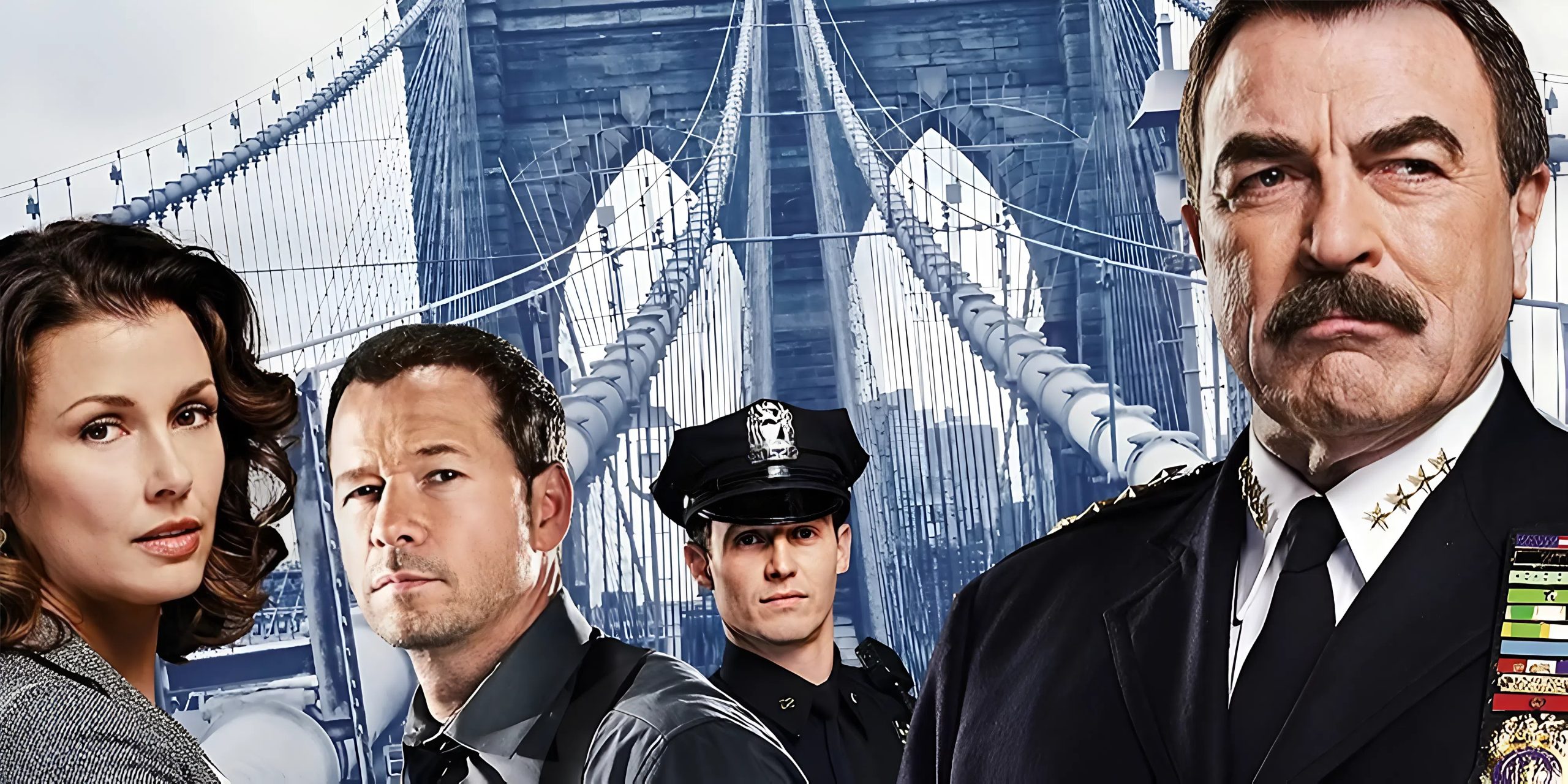
For 14 years, fans enjoyed watching the beloved Reagan family solve tough cases and enjoy their weekly Sunday night dinners. Over the years, the faces around the dinner table and in the squad cars have changed for various reasons, with new characters appearing and a few main characters leaving before fans were ready to say goodbye.
Find out why your favorite Blue Bloods characters, portrayed by actresses such as Jennifer Esposito and Sami Gayle, left the series unexpectedly.
Jennifer Esposito
Craig Blankenhorn / © CBS / Courtesy: Everett Collection
One of the earlier character departures was Jennifer Esposito’s Detective Jackie Curatola, partner to Detective Danny Reagan (Donnie Wahlberg). Jackie had an extremely abrupt exit, starring on the show until the 7th episode of Season 3. The on-screen explanation for the character’s departure was that she took a leave of absence from the NYPD to deal with burnout and stress.
In real life, Esposito was dealing with a diagnosis of celiac disease, which led to an on-set collapse because of the demands of the production schedule. CBS announced that the actress was only available part-time, leading to her departure, but Esposito shared on Twitter that that wasn’t the case. She said her doctor requested she be put on a reduced schedule, to which CBS allegedly declined and instead put her on unpaid leave, not allowing her to work anywhere else. The character was then written out of the series, though she did later appear as a guest star in the final seasons of the show.
Amy Carlson
Craig Blankenhorn/©CBS/courtesy Everett Collection
Amy Carlson, who portrayed Danny’s wife Linda Reagan, left the show unexpectedly after its 7th season, leaving fans stunned. Her on-screen exit was an abrupt one, having been explained in the season 8 premiere with no final appearance by Carlson.
In the series, it was said that Linda had died in a helicopter crash—which later turned out not to have been an accident—after surviving a house fire in the season 7 finale. The character’s death was not shown on-screen; rather, it was done off-camera between the 7th and 8th seasons. Fans were upset by the way it was portrayed in the show, with no closure for the character.

Executive producer Kevin Wade explained this decision, saying, “If we opened with a funeral, it would feel so immediate and the characters would be mourning for at least one-third of the season. That’s what drove the decision to use Linda’s death as a touchstone, but not having it drive the tone of the series.”
In real life, Carlson decided not to continue on the series after her seven-year contract ended. Instead, she moved on to pursue other projects, which surprised Wade and co-stars like Wahlberg, who expected Carlson to stay on the show.
Sami Gayle
Jojo Whilden / ©CBS / courtesy Everett Collection
Nicky Reagan, daughter of Erin Reagan (Bridget Moynahan), was a main character in Blue Bloods for 10 years before the actress decided to leave. Her timing coincided with the character growing up and moving out, so it wasn’t a huge surprise when she left. On-screen, Nicky accepted a job in San Francisco after graduating from Columbia University, making it hard for the character to be in New York too often.
Off-screen, it seems the reason for her exit was similar, as Gayle was attending Columbia as well, and the schedule conflicted with her appearances. Gayle left the series midway through the 10th season, returning one time each in seasons 11, 13 and 14.
Flex Alexander
Craig Blankenhorn / © CBS / Courtesy: Everett Collection
You may not remember this exit, but Flex Alexander, who portrayed Detective Demarcus King and partner to Danny, left after only one episode. Alexander, who appeared in the pilot episode, was originally slated to star alongside Wahlberg as his


Be the first to comment on this article!