
Cruz Leaves A Gang Boss To Burn | Chicago Fire
A Dangerous Alliance Pushes Cruz Into Uncharted Territory
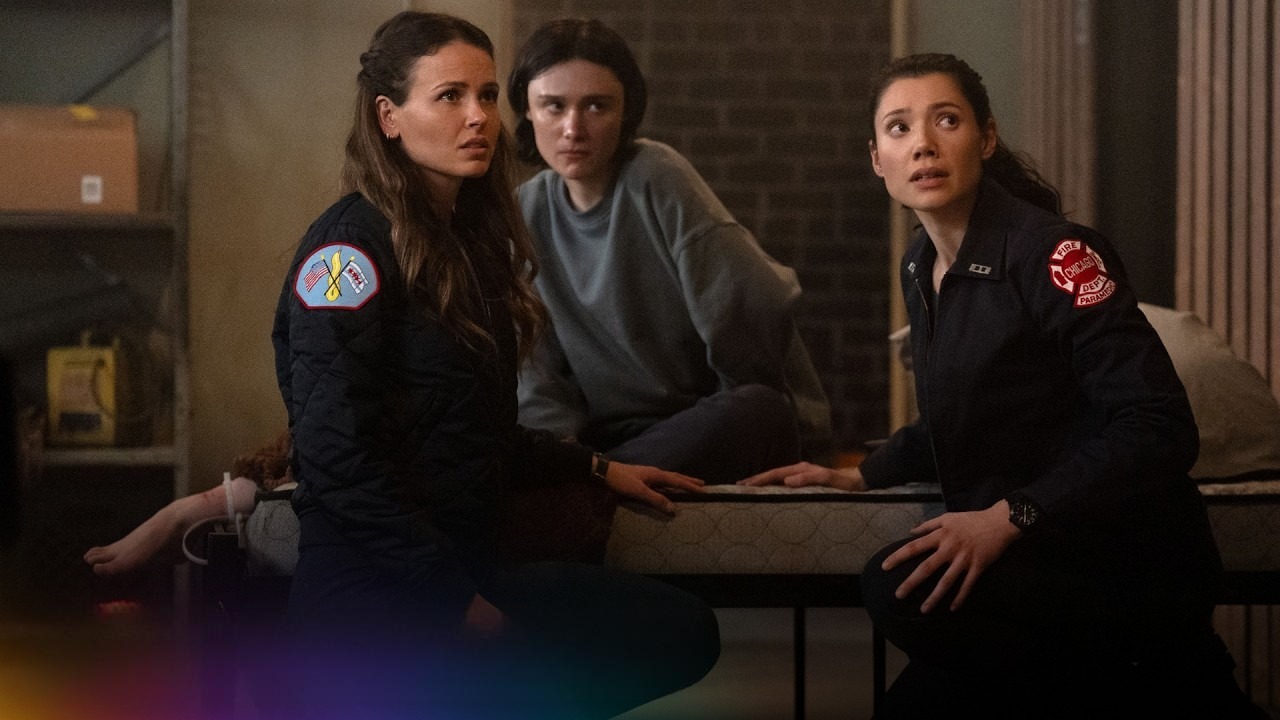
Chicago Fire has never shied away from placing its firefighters in situations where the line between saving lives and protecting themselves becomes dangerously thin. But Cruz’s latest ordeal threatens to take that tension to another level, forcing him to confront a criminal world that has little regard for the rules Firehouse 51 lives by.
Cruz has always been one of the station’s more compassionate firefighters. Beneath his tough exterior is someone who cares deeply about his colleagues and the people he rescues. That loyalty has repeatedly pushed him into difficult situations, particularly when someone vulnerable is caught in circumstances beyond their control.
This time, however, Cruz finds himself dealing with a gang boss whose influence extends far beyond the emergency call that initially brings the firefighter into the picture.
What begins as a dangerous encounter quickly becomes personal. Cruz is forced to make decisions without knowing whether the people surrounding him can be trusted, while the threat of violence continues to escalate.
And when Cruz ultimately walks away from the gang boss, the consequences could be far more serious than he realizes.
Cruz’s Compassion Becomes A Dangerous Weakness
Cruz’s greatest strength has often been his willingness to see the human being behind a crisis. While other firefighters may focus strictly on getting the job done, Cruz frequently looks for ways to understand what brought someone into danger in the first place.
That quality makes him an excellent firefighter.
It can also make him vulnerable.
The gang boss recognizes that Cruz is not someone who will simply turn his back on a person in trouble. Instead, he attempts to exploit Cruz’s sense of responsibility, creating a situation in which the firefighter has to choose between following the rules and doing what he believes is morally right.
The more Cruz becomes involved, the harder it becomes to simply walk away.
There is also the question of whether Cruz realizes just how dangerous the situation has become. Criminal organizations do not operate by the same rules as Firehouse 51. A promise that sounds harmless can quickly become a threat, while an act of kindness can be interpreted as cooperation.
For Cruz, that distinction could prove costly.
A Gang Boss With Nothing To Lose
The gang boss at the center of the conflict represents a completely different kind of danger for Cruz.
Unlike the emergencies firefighters normally face, this threat cannot be contained with a rescue plan, medical treatment or a call for additional resources. The danger is deliberate, calculated and potentially unpredictable.
That puts Cruz in an uncomfortable position.
He knows that getting too close to the criminal could endanger himself and potentially expose the people around him. Yet leaving the situation entirely could mean abandoning someone who desperately needs help.
This conflict gives Cruz one of his most complicated emotional battles.
He isn’t simply trying to survive.
He’s trying to determine where his responsibility ends.
The gang boss may believe Cruz can be manipulated, but the firefighter’s refusal to become part of the criminal operation eventually becomes one of the most important decisions he makes.
Unfortunately, walking away doesn’t necessarily mean the danger walks away with him.
Why Cruz Refuses To Become Part Of The Game
Cruz has spent years working alongside firefighters who understand that trust can mean the difference between life and death.
At Firehouse 51, loyalty is more than a workplace value. It is part of the station’s identity.
That makes Cruz’s decision to distance himself from the gang boss particularly significant.
He understands that there are situations where helping someone does not mean becoming involved in everything surrounding them. Cruz may have sympathy for individuals trapped inside dangerous circumstances, but he cannot allow that sympathy to turn into cooperation with criminals.
The decision could also reveal how much Cruz has grown.
Earlier in his life, his instinct might have been to rush headfirst into danger. Experience has taught him that bravery and recklessness are not the same thing.
This time, Cruz appears to recognize that the smartest way to protect himself and those around him may be to leave.
But that decision comes with its own risks.
Firehouse 51 Could Become Part Of The Fallout
Whenever one member of Firehouse 51 becomes entangled in a dangerous situation, the consequences rarely remain isolated.
Cruz’s colleagues are likely to notice when something isn’t right.
That creates another layer of tension because firefighters at 51 are notoriously protective of one another. If Cruz has become a target, his friends are unlikely to simply stand by and watch.
The concern surrounding Cruz could also put pressure on the station’s leadership.
The firefighters may be accustomed to dealing with unpredictable emergencies, but a criminal threat is different. There are protocols, law enforcement considerations and questions about how much involvement is appropriate.
If Cruz has information that could expose the gang boss, he may find himself caught between two worlds — the criminal world he is desperately trying to escape and the professional world demanding that he explain exactly what happened.
And the more Cruz reveals, the more dangerous the situation could become.
Cruz Faces The Consequences Of Walking Away
The title’s ominous warning — “Cruz Leaves A Gang Boss To Burn” — suggests that his departure could have consequences far beyond simply ending an uncomfortable encounter.
The phrase “to burn” carries a particularly dangerous implication. It could refer to a literal emergency, a betrayal, or the criminal consequences of being abandoned by someone the gang boss expected to remain useful.
Either way, Cruz’s choice creates unfinished business.
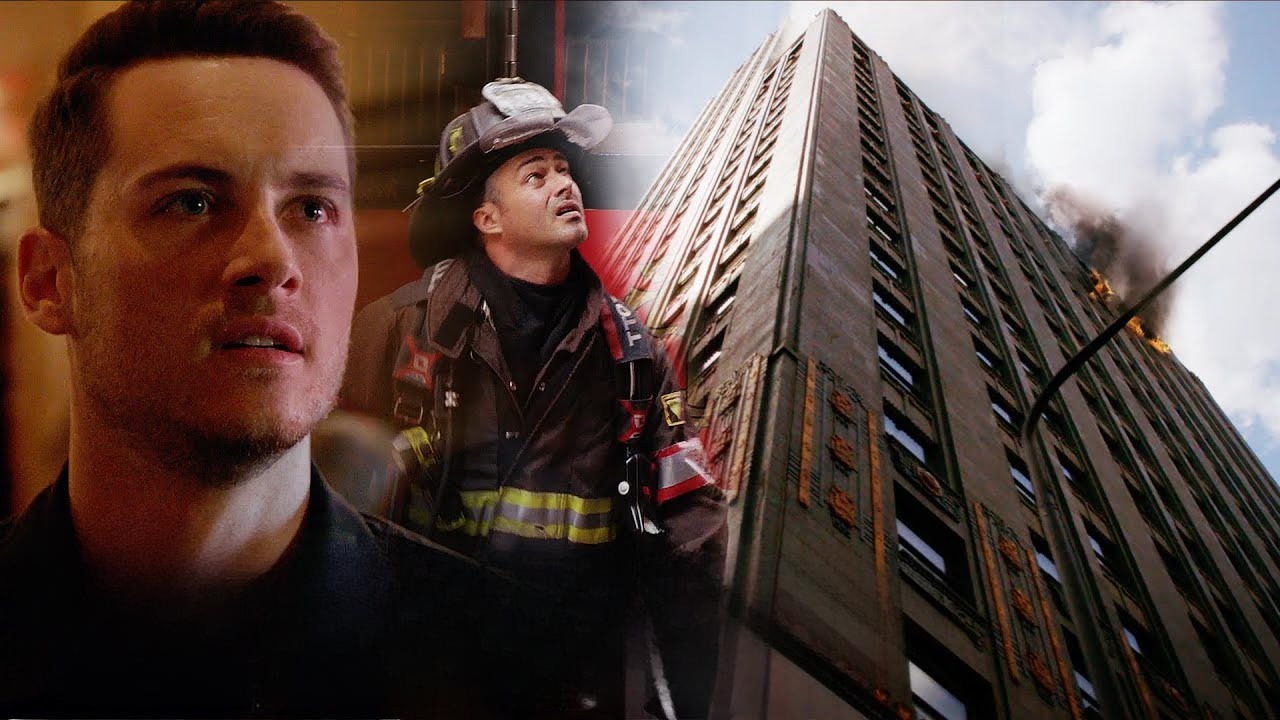
The gang boss may view Cruz’s departure as an act of defiance.
That could turn what was once a temporary alliance into a personal grudge.
And if that happens, Cruz may discover that leaving a dangerous situation does not necessarily mean escaping it.
Criminal retaliation could potentially reach the people Cruz cares about, making the conflict much more emotionally devastating.
A Test Of Cruz’s Loyalty
At the heart of the storyline is a question that has followed Cruz throughout his time on Chicago Fire: How far should someone go to protect another person?
Cruz’s loyalty has always been one of his defining characteristics.
He has stood beside his friends during professional crises, personal struggles and moments when the pressure became almost unbearable. But loyalty can become complicated when the person demanding it is dangerous.
This storyline gives Cruz an opportunity to redefine what loyalty means to him.
Helping someone does not necessarily mean obeying them.
Protecting someone does not mean sacrificing everyone else.
And showing compassion does not require Cruz to surrender his principles.
Those lessons could ultimately become more important than the immediate danger itself.
The Emotional Cost For Cruz
Even if Cruz successfully escapes the gang boss’s influence, the emotional consequences may linger.
Firefighters are trained to remain calm under extreme pressure, but that does not mean they are immune to fear, guilt or doubt.
Cruz could easily find himself questioning whether he made the right choice.
Could he have done more?
Did leaving put someone else in danger?
Could he have prevented the situation from escalating?
Those questions can be just as difficult to overcome as the physical danger of the original incident.
For a character whose instinct is usually to help, choosing to walk away could feel like failure — even if it was actually the safest and most responsible decision available to him.
That internal conflict gives the storyline an emotional dimension that goes beyond the criminal threat.
What Comes Next For Cruz?
The biggest question now is whether Cruz has truly escaped the situation or merely stepped away temporarily.
If the gang boss decides to retaliate, Cruz could face an entirely new kind of crisis — one that follows him beyond the firehouse and into his personal life.
His relationships with his colleagues could also change as they learn what happened.
Some may understand his decision immediately.
Others may wonder why he didn’t ask for help sooner.
Either way, the incident could leave Cruz more cautious about whom he trusts and how far he is willing to go for someone in trouble.
For Chicago Fire, that is precisely what makes this storyline so compelling.
The danger isn’t simply about whether Cruz survives one frightening encounter. It is about whether he can emerge from it without losing the qualities that have made him such an important member of Firehouse 51.
Cruz’s Choice Could Have Lasting Consequences
Cruz walking away from a gang boss may initially look like a simple act of self-preservation.
In reality, it could become one of the most consequential decisions he has made.
His compassion brought him into the situation.
His loyalty kept him there.
And ultimately, his instincts may be what allow him to get out.
But the danger surrounding Cruz is unlikely to disappear simply because he has chosen to leave.
If the gang boss wants revenge, Firehouse 51 could soon find itself facing a threat unlike anything Cruz has encountered before.
And when the flames finally rise, Cruz may discover that the hardest part isn’t running into the fire.
It’s knowing when to walk away.
For now, Cruz has made his choice.
The question is whether the gang boss is willing to let him go.
The Big One | Chicago Fire
The Big One | Chicago Fire
Firehouse 51 Faces Its Most Dangerous Call Yet
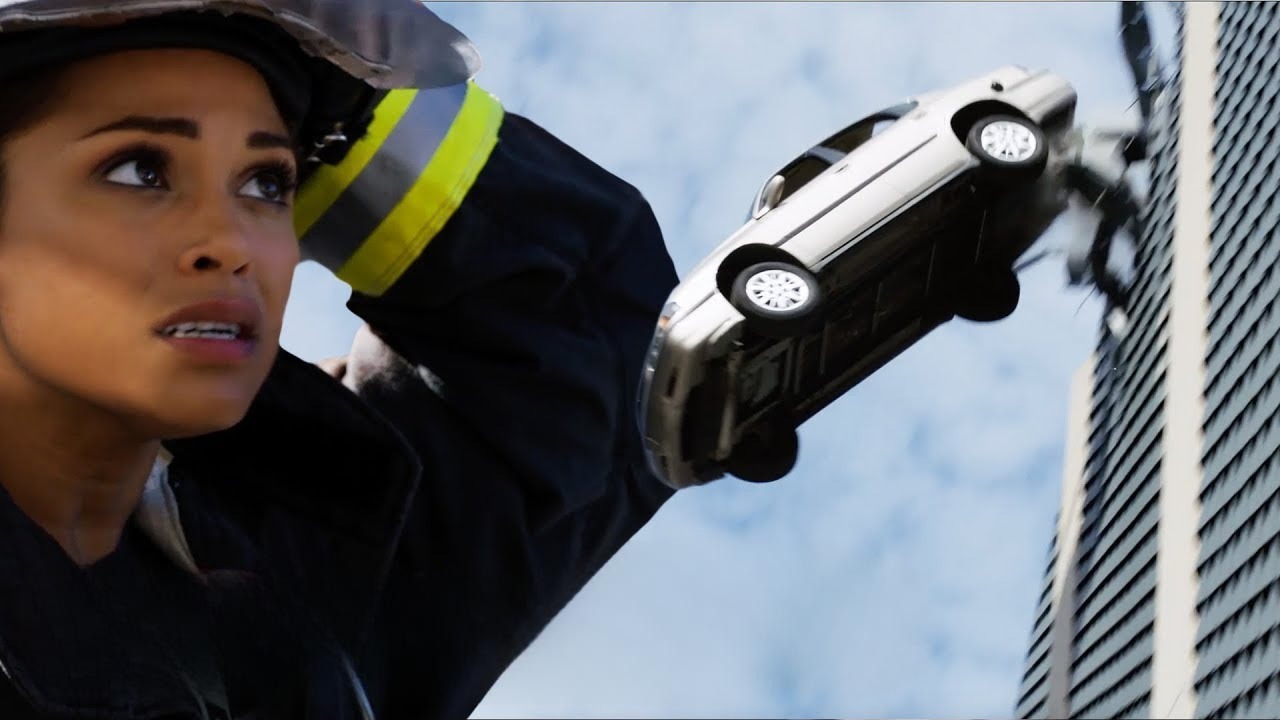
Firehouse 51 has faced collapsing buildings, raging fires, devastating explosions and impossible rescues, but nothing can truly prepare Chicago’s firefighters for the big one.
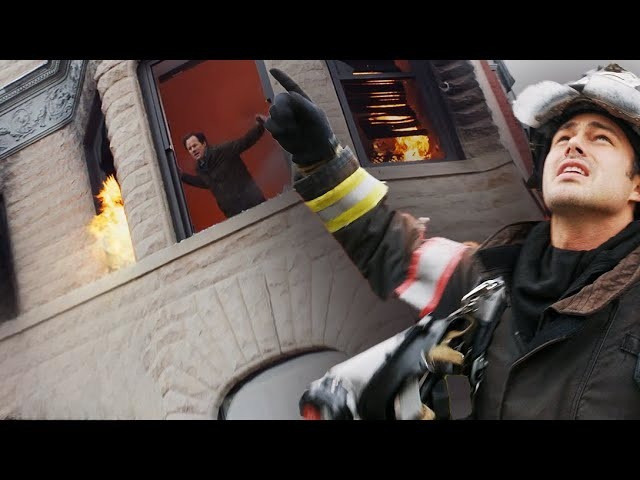
In a dramatic new chapter of Chicago Fire, a seemingly routine emergency escalates into a major disaster, pushing the members of Firehouse 51 to their physical and emotional limits. With lives hanging in the balance and danger spreading faster than anyone can control, the firefighters are forced to make split-second decisions that could determine who makes it home.
For the crew, this is more than another difficult shift.
It is the kind of emergency firefighters train for their entire careers.
And when the call finally comes, there is no room for hesitation.
The Alarm That Changes Everything
The shift at Firehouse 51 begins like any other.
The firefighters go about their usual routines, unaware that they are moments away from one of the most demanding emergencies they have ever encountered.
Then the alarm sounds.
At first, the details appear unclear. Dispatch reports a serious incident, but the true scale of the situation only becomes apparent when the crew reaches the scene.
What they find is chaos.
Smoke fills the area.
People are trapped.
Structures have become unstable.
And the danger is continuing to grow.
The firefighters immediately split into teams, each with a specific objective.
Some move toward the most obvious victims.
Others begin searching for anyone who may be trapped inside.
Meanwhile, command has to make an agonising decision about how far the rescue operation can safely go.
Because this time, saving someone else could mean putting a firefighter’s own life at risk.
Firehouse 51 Goes Into Rescue Mode
When disaster strikes, there is no time for fear.
That is one of the defining qualities of Firehouse 51.
The crew knows exactly what is expected of them, even when the situation is changing by the second.
Firefighters move into the danger zone while paramedics prepare outside.
Every second matters.
A trapped victim may only have minutes before conditions become fatal.
A fire can spread unexpectedly.
A damaged structure can collapse without warning.
And one mistake can turn a rescue into another emergency.
The intensity of the situation forces the team to rely on one another more than ever.
Years of working together have taught them how to communicate without wasting precious time.
A glance can be enough.
A shouted warning can change the entire plan.
But even the most experienced firefighters can be caught off guard.
And the big one is about to test every assumption they have made.
A Firefighter Is Put In Serious Danger
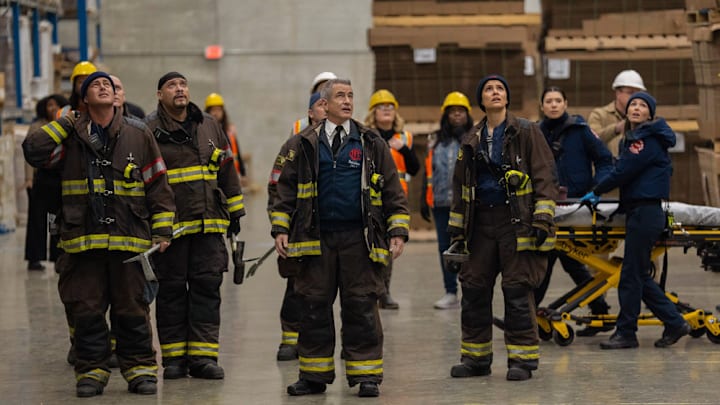
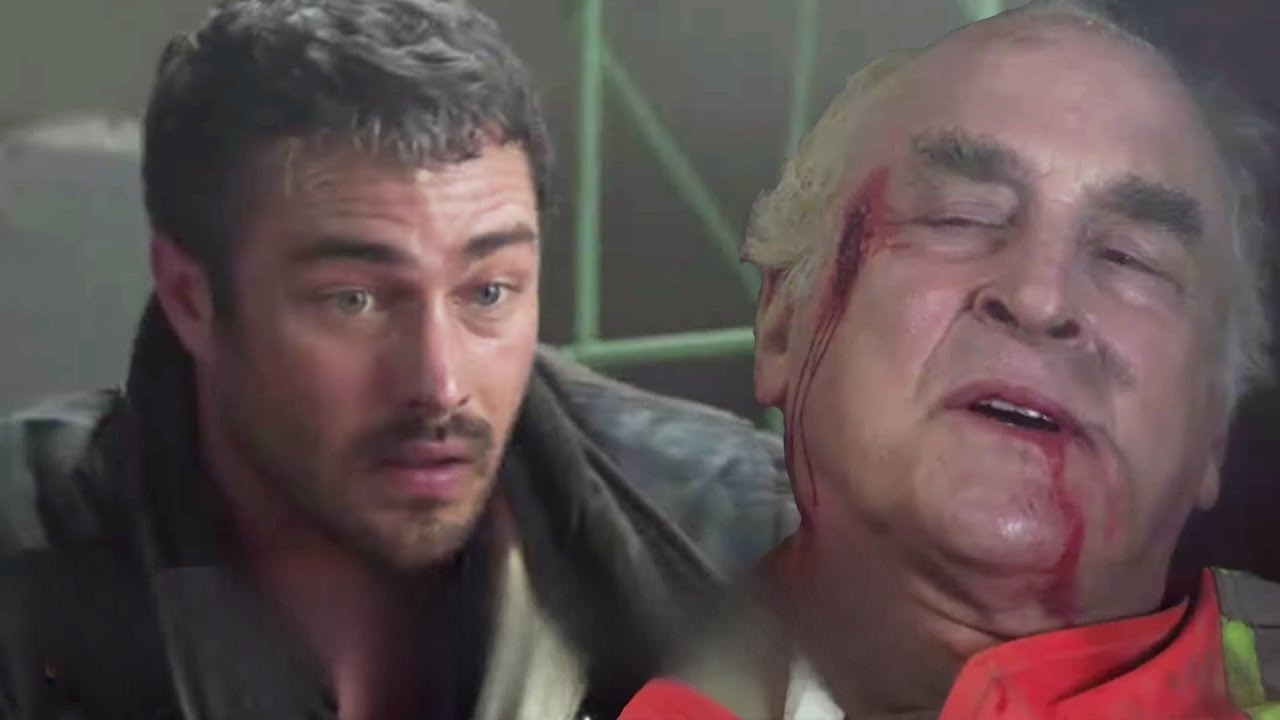
The situation takes a terrifying turn when one of Firehouse 51’s own is suddenly placed in danger.
A rescue operation that initially appears to be under control goes wrong.
Something shifts.
A structure becomes unstable.
Or a sudden flare-up cuts off the firefighter’s escape route.
For the crew outside, the fear is immediate.
They are accustomed to being the people who arrive to save others.
Now one of their own needs rescuing.
The emotional stakes instantly change.
Command has to decide whether to send another firefighter into an already dangerous area.
Waiting could mean losing a colleague.
Moving too quickly could create another casualty.
There may be no perfect choice.
Only the least dangerous one.
The Paramedics Face Their Own Crisis
While the firefighters battle the physical danger, the paramedics face a different kind of pressure.
Victims begin arriving faster than they can be treated.
Some injuries are relatively minor.
Others are critical.
Medical decisions have to be made immediately.
Who receives treatment first?
Who can be moved?
Who needs immediate transport?
And what happens when there are more patients than available resources?
The medical team has to remain focused even as the emotional intensity of the disaster grows.
For the paramedics, the hardest part may be knowing that not everyone can receive the attention they desperately need at the same time.
Every decision carries consequences.
Personal Conflicts Are Put Aside
The firefighters of Firehouse 51 are not always in complete agreement.
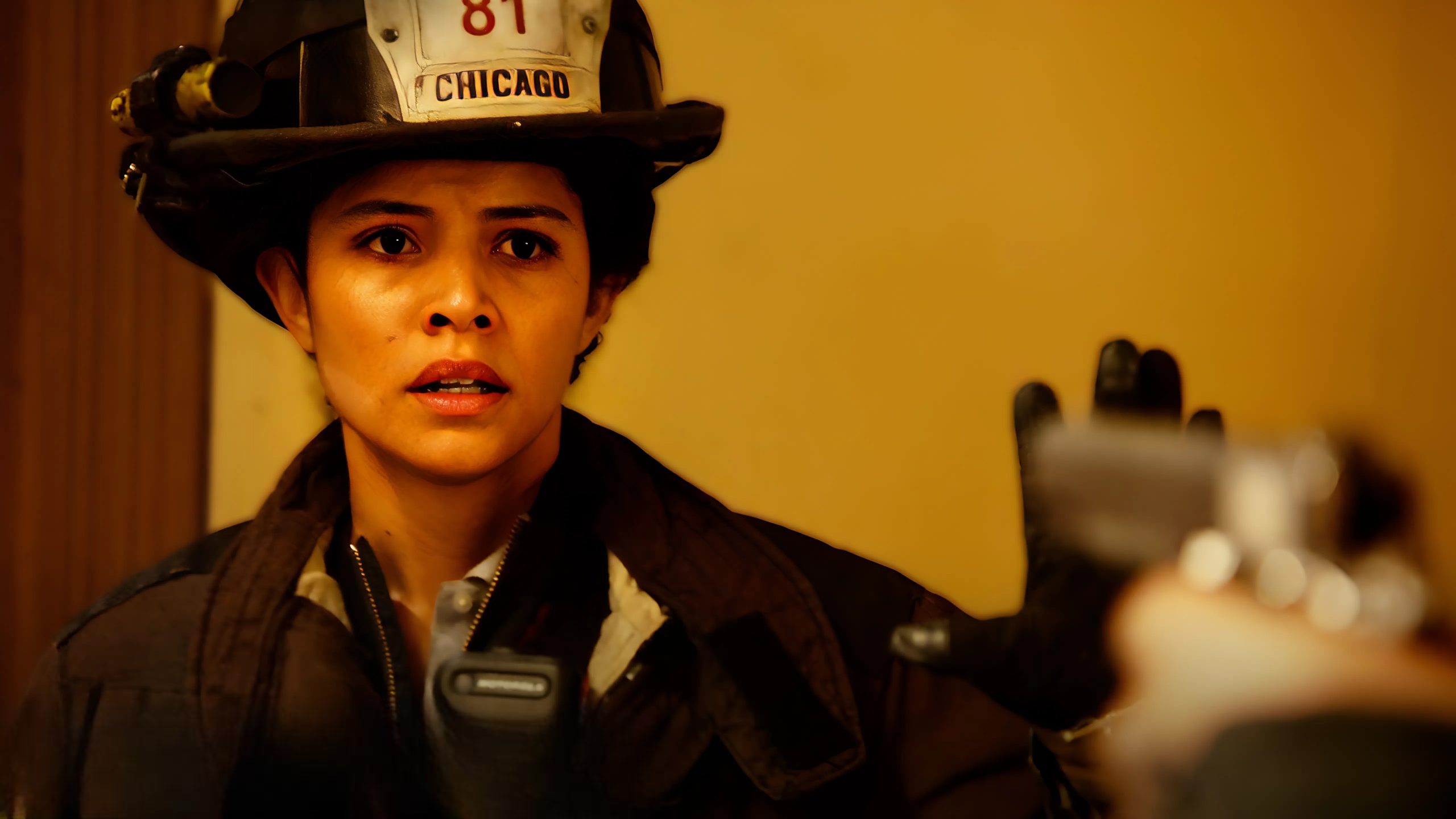
They have different personalities, different experiences and different ways of approaching danger.
But during a major emergency, personal disagreements become irrelevant.
Whatever conflict existed before the call has to wait.
The crew has one objective: save lives.
That sense of unity becomes one of the most powerful aspects of the storyline.
Characters who may have been struggling with personal problems suddenly find themselves relying on one another.
A firefighter who has been questioning their abilities gets an opportunity to prove themselves.
Someone who has been carrying emotional baggage has no choice but to put it aside.
And a character who normally avoids asking for help may finally have to admit that they cannot do everything alone.
A Difficult Decision Changes The Rescue
As the disaster develops, the crew discovers that their original rescue plan is no longer possible.
They need another approach.
That means someone must make a difficult decision.
Do they continue with a dangerous rescue attempt?
Do they wait for additional resources?
Or do they risk entering an unstable area because waiting could cost a victim their life?
The decision could become one of the defining moments of the episode.
Firefighters understand the risks better than anyone.
But understanding the danger does not make it easier to walk away from someone who needs help.
This is the contradiction at the heart of their profession.
They know they cannot save everyone.
They also refuse to stop trying.
The Human Cost Of The Big One
Even after the immediate danger is brought under control, the consequences will remain.
Large-scale emergencies do not simply disappear when the flames are extinguished.
There are families waiting for news.
There are victims trying to understand what happened.
There are firefighters replaying their decisions.
And there are people wondering whether they could have done something differently.
For Firehouse 51, the aftermath may be just as emotional as the rescue itself.
A firefighter could question whether they made the right call.
Another may struggle with the memory of a victim they could not save.
Someone else may realise just how close they came to losing a colleague.
These moments allow Chicago Fire to move beyond spectacle and explore the emotional reality of emergency work.
The Firehouse Comes Together
In the aftermath, Firehouse 51 becomes more than a workplace.
It becomes a support system.
The firefighters understand what their colleagues have experienced because they were there.
They do not need long explanations.
Sometimes sitting together in silence is enough.
Other times, difficult conversations have to happen.
Someone may finally admit that they were frightened.
Another may reveal that they are struggling.
And the team has to recognise that courage does not mean pretending to be unaffected.
The strongest firefighters are often the ones willing to admit when they need support.
What The Big One Means For Firehouse 51
The disaster could leave a lasting mark on the entire team.
The firefighters may return to work, answer new calls and continue doing what they have always done.
But they will remember this one.
Because every firefighter has a call they never forget.
For some, it is the victim they could not reach.
For others, it is the moment they almost lost a colleague.
And sometimes it is the emergency that changes the way they look at their own mortality.
The big one could become that call for Firehouse 51.
What Happens Next?
The aftermath promises to create new emotional challenges for the firefighters and paramedics.
Some may emerge stronger.
Others may realise that they need to make changes in their personal lives.
Relationships could be affected as loved ones struggle with the dangers their family members face every day.
And the crew may become even more protective of one another after coming so close to disaster.
For Firehouse 51, the big one will eventually become another story they tell.
But that does not mean it will be forgotten.
The firefighters will continue answering alarms.
They will continue running toward danger while everyone else runs away.
They will continue saving lives.
Yet every member of the crew will know that the next call could be just as dangerous.
Because in Chicago, emergencies do not wait for anyone to be ready.
And for Firehouse 51, the biggest test may not be surviving the flames.
It may be finding the strength to walk back into the firehouse, face the next alarm and do it all over again.


Be the first to comment on this article!