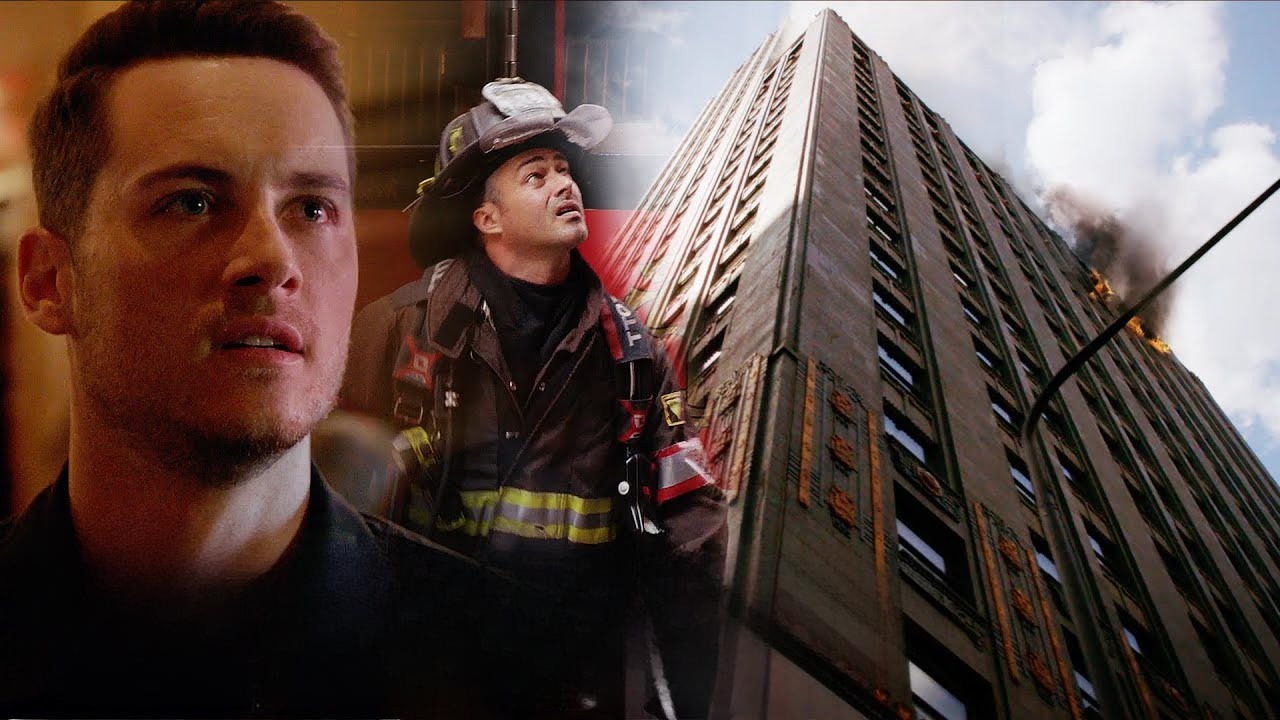
Chicago Fire

Man Provokes House Fire to Harm his Wife | Chicago Fire | PD TV

Man Provokes House Fire To Harm His Wife | Chicago Fire | PD TV

A Terrifying House Fire Reveals A Sinister Motive

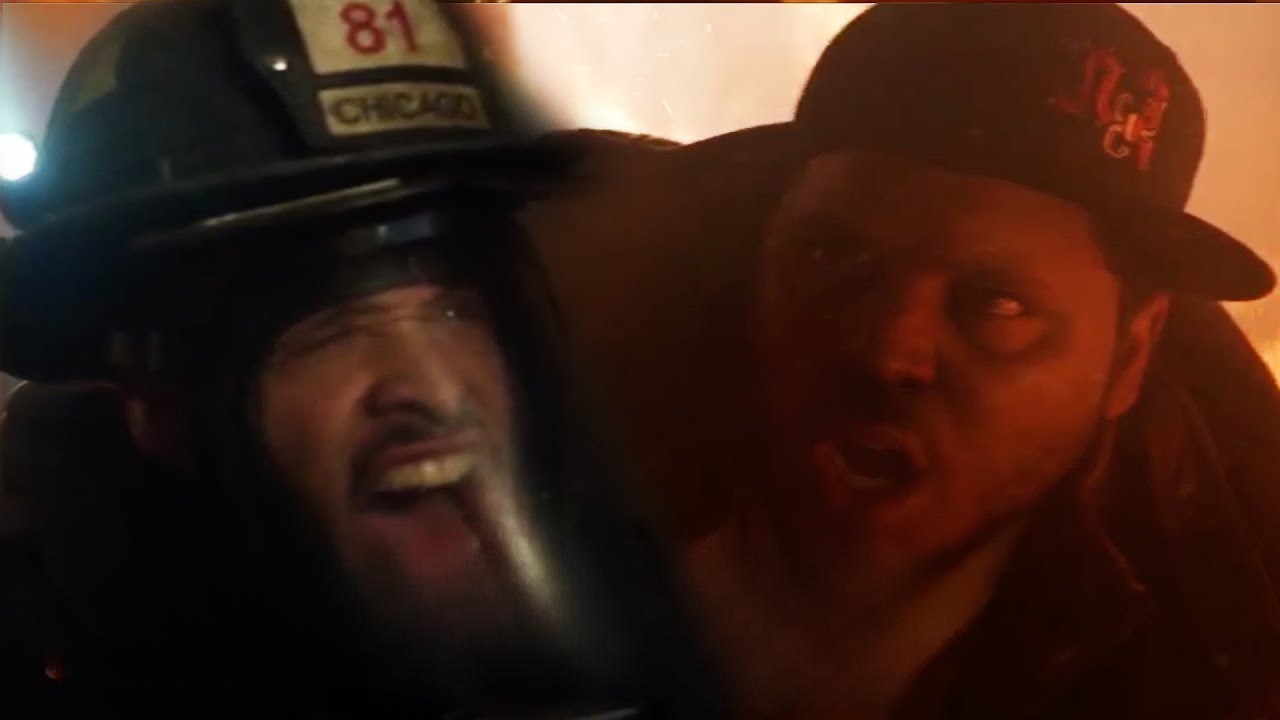
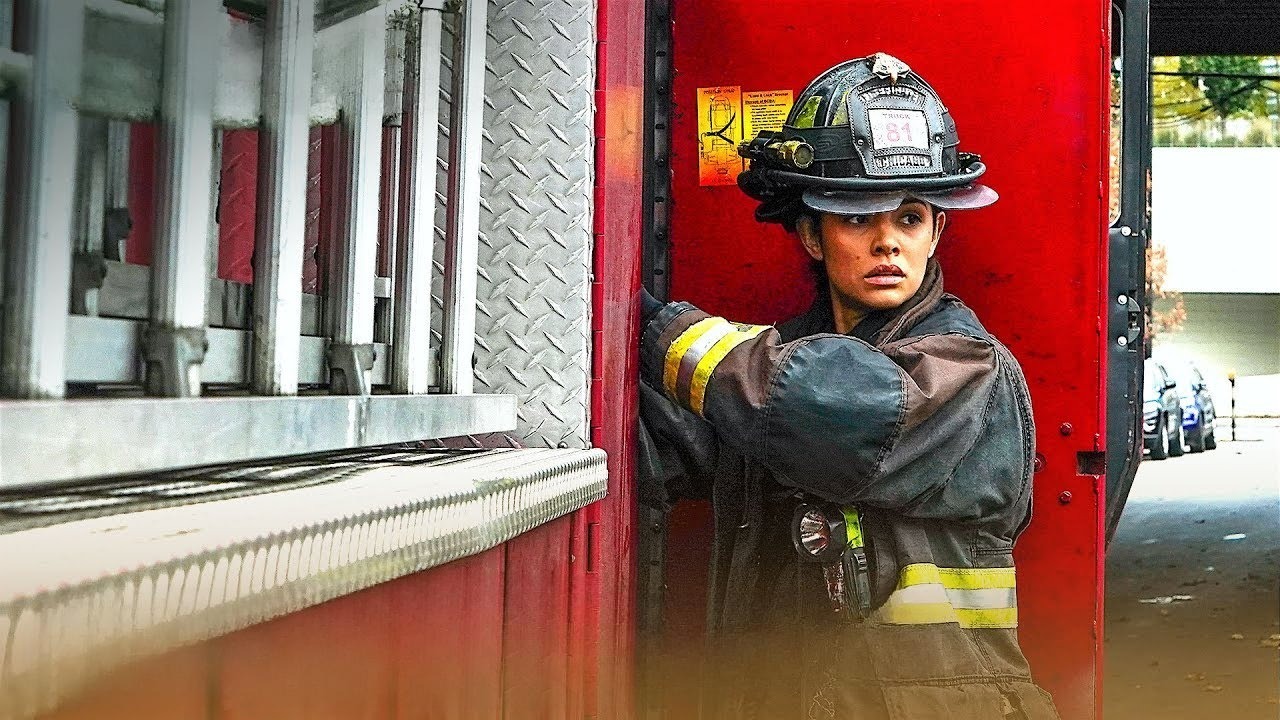
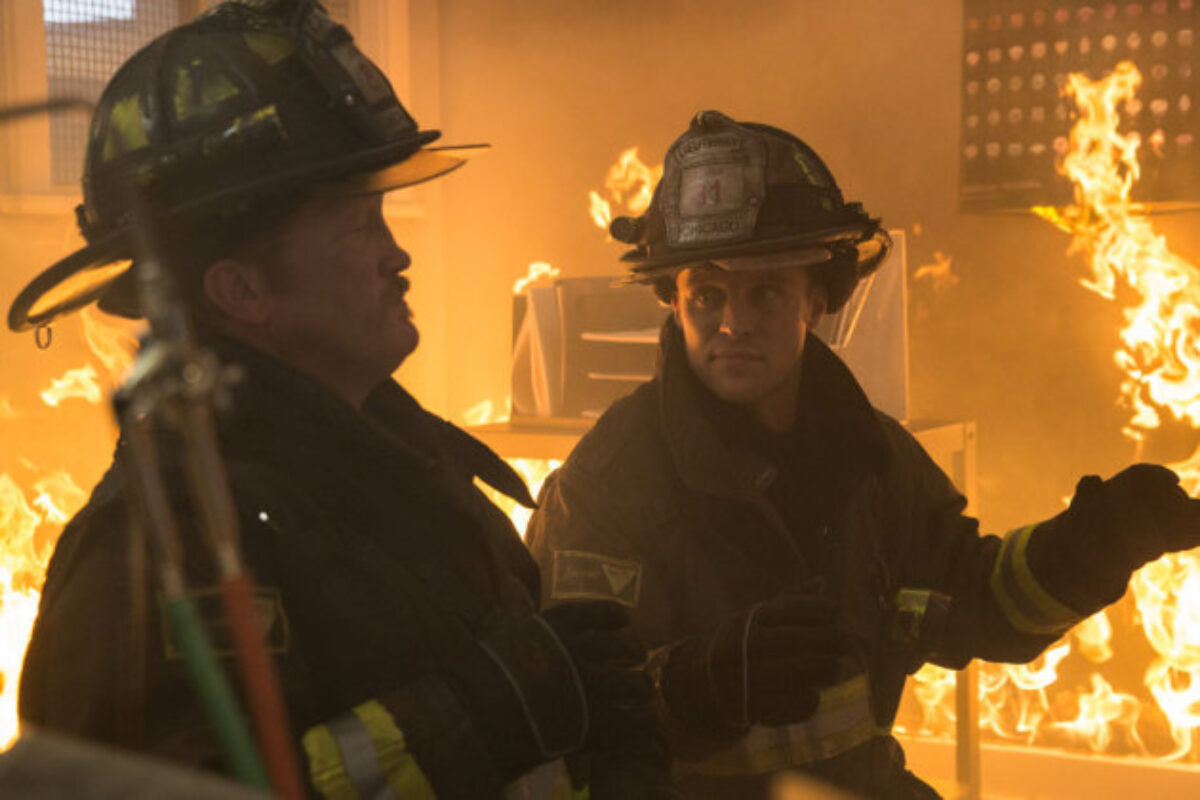
Firehouse 51 is called to countless house fires, but one emergency takes a disturbing turn when firefighters realise that the blaze may not have been an accident.

In a tense Chicago Fire storyline, what initially appears to be a devastating residential fire becomes something far more sinister when evidence points toward a deliberate attempt to harm a woman inside the home.

The discovery leaves the firefighters facing an uncomfortable reality: they are not simply dealing with a dangerous fire. They may be standing in the middle of a violent domestic situation.

For the woman at the centre of the emergency, surviving the flames could be only the beginning.

And for Firehouse 51, uncovering the truth could become just as important as putting out the fire.

Firehouse 51 Races Against Time

Chicago Fire' Season 2, Episode 13: 'Tonight's The Night'

The call begins like any other serious residential emergency.

Firefighters are dispatched after reports of a house fire, with the possibility that someone may still be trapped inside.

The crew immediately goes into rescue mode.

There is no time to waste.

Smoke has already made the building dangerous, while conditions inside continue to deteriorate. The firefighters have to search for occupants while also protecting themselves from an increasingly unstable environment.

The possibility of a trapped victim changes everything.

Firehouse 51 knows that every second matters.

When they finally locate the woman, it becomes clear that she needs immediate help.

She is frightened, confused and struggling to understand how the fire happened.

But her condition is only one part of the mystery.

A Victim Is Pulled From The Flames

The rescue becomes one of the most emotional moments of the emergency.

Firefighters work together to get the woman out of danger before paramedics begin treating her.

For the crew, saving her life is the immediate priority.

Yet something about her story does not make sense.

She may have believed the fire was an accident.

Perhaps she initially suspects an electrical problem or another ordinary explanation.

But as questions begin to emerge, the firefighters realise there could be more to the situation than anyone first imagined.

The woman may have survived something that was never supposed to happen by accident.

The Husband Comes Under Suspicion

Attention soon turns toward the woman’s husband.

His behaviour raises questions.

Instead of appearing devastated by what happened, he may seem unusually controlled or evasive.

That does not automatically prove guilt.

But investigators cannot ignore inconsistencies when a serious fire has left someone injured.

The possibility that the husband deliberately put his wife in danger transforms the case.

What looked like a household tragedy could actually be an act of violence.

For the woman, that revelation could be devastating.

The person she believed she could trust may have been the person placing her life in danger.

A Firefighter Notices Something Doesn’t Add Up

Watch Chicago Fire | Peacock

Firefighters are trained to recognise when the circumstances surrounding an emergency do not make sense.

In this case, one member of Firehouse 51 begins questioning the apparent explanation for the blaze.

Something about the scene feels wrong.

The firefighter shares those concerns with the appropriate authorities, allowing investigators to examine whether the fire was deliberately caused.

Importantly, Firehouse 51’s role remains focused on rescue and fire safety rather than determining guilt.

That distinction becomes crucial as the investigation develops.

The firefighters have witnessed the aftermath.

Now, detectives must determine exactly what happened.

The Woman Faces A Painful Reality

As the investigation progresses, the emotional impact on the victim becomes increasingly clear.

She is not simply recovering from physical injuries.

She is also confronting the possibility that someone close to her intentionally wanted to hurt her.

That can be far more difficult to process than the fire itself.

Trust suddenly becomes a question.

Every memory of the relationship may be reconsidered.

Was there something she missed?

Were there warning signs?

Did other people notice changes in her husband’s behaviour before she did?

The storyline gives the victim an opportunity to move from being a person rescued from danger to someone determined to reclaim control over her own life.

The Husband Attempts To Defend Himself

As suspicion grows, the husband may attempt to explain his actions.

He could insist that he never intended to hurt his wife.

He could claim that circumstances have been misunderstood.

He could even attempt to portray himself as another victim of the situation.

That uncertainty creates tension throughout the investigation.

The authorities cannot simply rely on accusations or appearances.

They need evidence.

And as more information emerges, the man’s version of events may begin to face serious challenges.

Firehouse 51 Sees The Human Cost

For the firefighters, this call is different from many of the emergencies they normally face.

They are accustomed to fires caused by accidents, equipment failures and unpredictable circumstances.

Discovering that someone may have intentionally endangered another person is deeply disturbing.

The emotional reaction could be particularly strong among firefighters who have spent years protecting families.

They run into burning buildings believing that the people inside need rescuing.

Learning that a person may have deliberately created such danger forces them to confront a different kind of threat.

The fire itself is frightening.

The intention behind it is even more unsettling.

The Investigation Becomes A Race For Answers

Chicago Fire Spoilers: A Fire at Herrmann's Home Puts His Family in Danger - TV Fanatic

As detectives examine the circumstances surrounding the fire, the case begins to develop beyond the original emergency.

The victim’s account becomes important.

So do statements from neighbours, witnesses and anyone familiar with the couple.

Investigators also have to determine whether the fire was part of a broader pattern of controlling or threatening behaviour.

If the husband has previously displayed violent or manipulative tendencies, those details could become significant.

The investigation therefore becomes about more than one night.

It becomes about understanding the relationship that existed before the flames ever appeared.

A Difficult Conversation With The Victim

One of the most powerful moments could come when the victim finally accepts that her husband may have wanted to hurt her.

That realisation could bring anger, fear and grief all at once.

She may struggle to understand how someone she trusted could become a threat.

The firefighters and paramedics can offer support, but they cannot make the decision for her.

Ultimately, she must decide what comes next.

That gives the storyline a stronger emotional dimension.

The woman is not simply waiting for someone else to rescue her.

She is beginning to take back control.

The Consequences Catch Up With Him

As the evidence develops, the husband may find that his carefully constructed story is becoming increasingly difficult to maintain.

If investigators establish that he intentionally endangered his wife, he could face serious consequences.

The allegations would transform his position completely.

Instead of appearing to be a concerned husband caught in a terrible accident, he could find himself at the centre of a criminal investigation.

For the victim, seeing the truth acknowledged could provide an important sense of validation.

But justice will not instantly erase the trauma.

The emotional recovery will take much longer.

A Story About More Than A Fire

The house fire storyline works because the flames are only the beginning.

At its heart, the story explores trust, fear and the devastating consequences of domestic violence.

The physical danger may disappear once the fire is extinguished.

The emotional danger is much harder to overcome.

The victim has to rebuild her confidence.

The people around her must learn how to support her without taking control away from her.

And the authorities must ensure that the investigation focuses on facts rather than assumptions.

For Firehouse 51, it is another reminder that emergencies can reveal hidden problems that existed long before the firefighters arrived.

What Happens Next?

The investigation is likely to place enormous pressure on the husband as questions surrounding the fire continue to mount.

Meanwhile, the woman faces the difficult process of rebuilding her life after surviving a terrifying ordeal.

Firehouse 51 may eventually move on to its next emergency, but the call will not necessarily be forgotten.

The firefighters saw the victim at one of the most vulnerable moments of her life.

They also witnessed how quickly an apparently ordinary emergency can reveal something much darker.

And as the truth surrounding the fire comes into focus, one message becomes impossible to ignore: surviving the flames was only the first step.

The real battle begins afterward, when the victim has to find the strength to walk away from the person who allegedly put her life in danger.

For Chicago Fire, it is another emotionally charged reminder that not every threat comes from the flames.

Sometimes, the most dangerous person is the one standing closest to you.

The Big One | Chicago Fire

The Big One | Chicago Fire

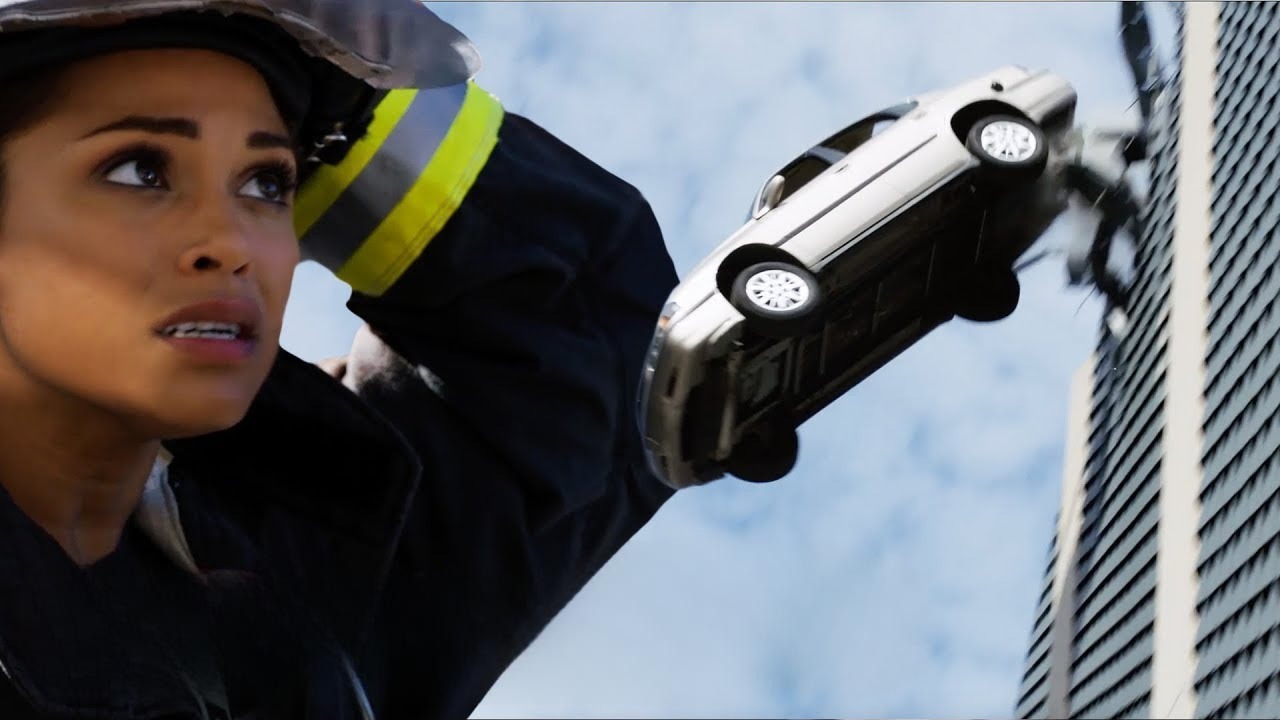
Firehouse 51 Faces Its Most Dangerous Call Yet

Firehouse 51 has faced collapsing buildings, raging fires, devastating explosions and impossible rescues, but nothing can truly prepare Chicago’s firefighters for the big one.

In a dramatic new chapter of Chicago Fire, a seemingly routine emergency escalates into a major disaster, pushing the members of Firehouse 51 to their physical and emotional limits. With lives hanging in the balance and danger spreading faster than anyone can control, the firefighters are forced to make split-second decisions that could determine who makes it home.

For the crew, this is more than another difficult shift.

It is the kind of emergency firefighters train for their entire careers.

And when the call finally comes, there is no room for hesitation.

The Alarm That Changes Everything

Chicago Fire (TV Series 2012– ) - Episode list - IMDb

The shift at Firehouse 51 begins like any other.

The firefighters go about their usual routines, unaware that they are moments away from one of the most demanding emergencies they have ever encountered.

Then the alarm sounds.

At first, the details appear unclear. Dispatch reports a serious incident, but the true scale of the situation only becomes apparent when the crew reaches the scene.

What they find is chaos.

Smoke fills the area.

People are trapped.

Structures have become unstable.

And the danger is continuing to grow.

The firefighters immediately split into teams, each with a specific objective.

Some move toward the most obvious victims.

Others begin searching for anyone who may be trapped inside.

Meanwhile, command has to make an agonising decision about how far the rescue operation can safely go.

Because this time, saving someone else could mean putting a firefighter’s own life at risk.

Firehouse 51 Goes Into Rescue Mode

When disaster strikes, there is no time for fear.

That is one of the defining qualities of Firehouse 51.

The crew knows exactly what is expected of them, even when the situation is changing by the second.

Firefighters move into the danger zone while paramedics prepare outside.

Every second matters.

A trapped victim may only have minutes before conditions become fatal.

A fire can spread unexpectedly.

A damaged structure can collapse without warning.

And one mistake can turn a rescue into another emergency.

The intensity of the situation forces the team to rely on one another more than ever.

Years of working together have taught them how to communicate without wasting precious time.

A glance can be enough.

A shouted warning can change the entire plan.

But even the most experienced firefighters can be caught off guard.

And the big one is about to test every assumption they have made.

A Firefighter Is Put In Serious Danger
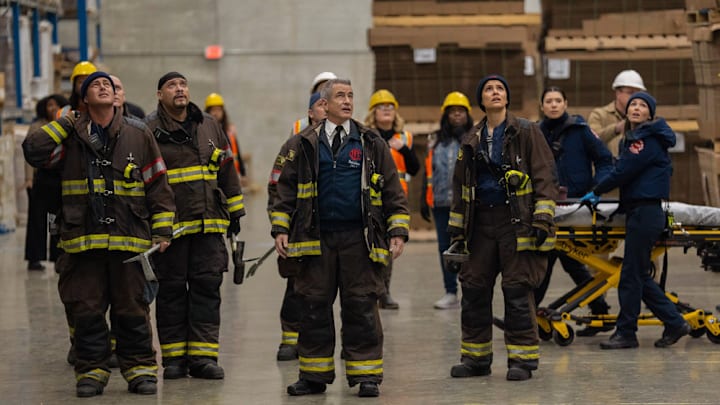
Chicago Fire is losing two more members of Firehouse 51

The situation takes a terrifying turn when one of Firehouse 51’s own is suddenly placed in danger.

A rescue operation that initially appears to be under control goes wrong.

Something shifts.

A structure becomes unstable.

Or a sudden flare-up cuts off the firefighter’s escape route.

For the crew outside, the fear is immediate.

They are accustomed to being the people who arrive to save others.

Now one of their own needs rescuing.

The emotional stakes instantly change.

Command has to decide whether to send another firefighter into an already dangerous area.

Waiting could mean losing a colleague.

Moving too quickly could create another casualty.

There may be no perfect choice.

Only the least dangerous one.

The Paramedics Face Their Own Crisis

While the firefighters battle the physical danger, the paramedics face a different kind of pressure.

Victims begin arriving faster than they can be treated.

Some injuries are relatively minor.

Others are critical.

Medical decisions have to be made immediately.

Who receives treatment first?

Who can be moved?

Who needs immediate transport?

And what happens when there are more patients than available resources?

The medical team has to remain focused even as the emotional intensity of the disaster grows.

For the paramedics, the hardest part may be knowing that not everyone can receive the attention they desperately need at the same time.

Every decision carries consequences.

Personal Conflicts Are Put Aside

Melhor drama para quem ama histórias de resgate

The firefighters of Firehouse 51 are not always in complete agreement.
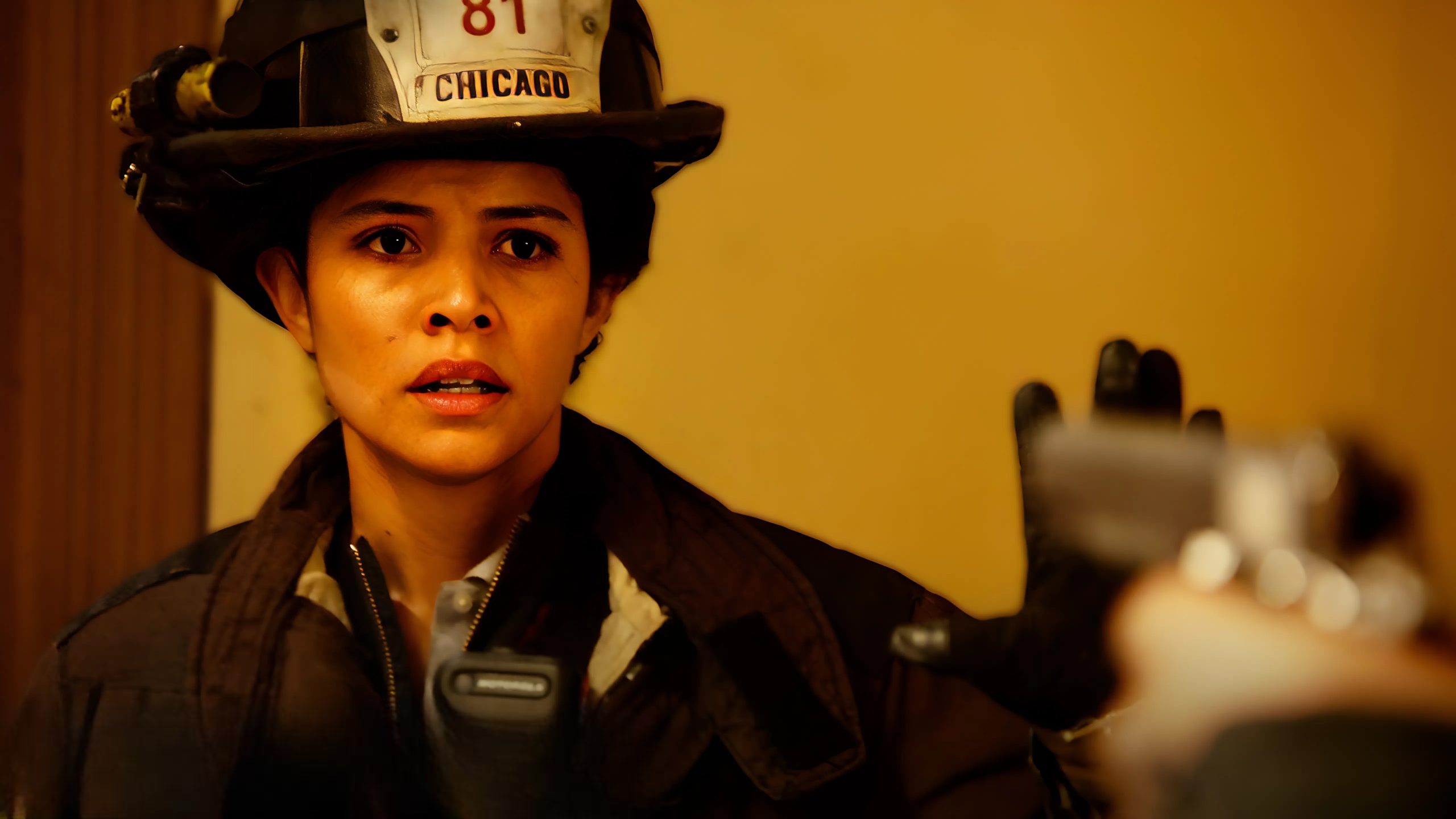
They have different personalities, different experiences and different ways of approaching danger.

But during a major emergency, personal disagreements become irrelevant.

Whatever conflict existed before the call has to wait.

The crew has one objective: save lives.

That sense of unity becomes one of the most powerful aspects of the storyline.

Characters who may have been struggling with personal problems suddenly find themselves relying on one another.

A firefighter who has been questioning their abilities gets an opportunity to prove themselves.

Someone who has been carrying emotional baggage has no choice but to put it aside.

And a character who normally avoids asking for help may finally have to admit that they cannot do everything alone.

A Difficult Decision Changes The Rescue

As the disaster develops, the crew discovers that their original rescue plan is no longer possible.

They need another approach.

That means someone must make a difficult decision.

Do they continue with a dangerous rescue attempt?

Do they wait for additional resources?

Or do they risk entering an unstable area because waiting could cost a victim their life?

The decision could become one of the defining moments of the episode.

Firefighters understand the risks better than anyone.

But understanding the danger does not make it easier to walk away from someone who needs help.

This is the contradiction at the heart of their profession.

They know they cannot save everyone.

They also refuse to stop trying.

The Human Cost Of The Big One

Even after the immediate danger is brought under control, the consequences will remain.

Large-scale emergencies do not simply disappear when the flames are extinguished.

There are families waiting for news.

There are victims trying to understand what happened.

There are firefighters replaying their decisions.

And there are people wondering whether they could have done something differently.

For Firehouse 51, the aftermath may be just as emotional as the rescue itself.

A firefighter could question whether they made the right call.

Another may struggle with the memory of a victim they could not save.

Someone else may realise just how close they came to losing a colleague.

These moments allow Chicago Fire to move beyond spectacle and explore the emotional reality of emergency work.

The Firehouse Comes Together

In the aftermath, Firehouse 51 becomes more than a workplace.

It becomes a support system.

The firefighters understand what their colleagues have experienced because they were there.

They do not need long explanations.

Sometimes sitting together in silence is enough.

Other times, difficult conversations have to happen.

Someone may finally admit that they were frightened.

Another may reveal that they are struggling.

And the team has to recognise that courage does not mean pretending to be unaffected.

The strongest firefighters are often the ones willing to admit when they need support.

What The Big One Means For Firehouse 51

The disaster could leave a lasting mark on the entire team.

The firefighters may return to work, answer new calls and continue doing what they have always done.

But they will remember this one.

Because every firefighter has a call they never forget.

For some, it is the victim they could not reach.

For others, it is the moment they almost lost a colleague.

And sometimes it is the emergency that changes the way they look at their own mortality.

The big one could become that call for Firehouse 51.

What Happens Next?

The aftermath promises to create new emotional challenges for the firefighters and paramedics.

Some may emerge stronger.

Others may realise that they need to make changes in their personal lives.

Relationships could be affected as loved ones struggle with the dangers their family members face every day.

And the crew may become even more protective of one another after coming so close to disaster.

For Firehouse 51, the big one will eventually become another story they tell.

But that does not mean it will be forgotten.

The firefighters will continue answering alarms.

They will continue running toward danger while everyone else runs away.

They will continue saving lives.

Yet every member of the crew will know that the next call could be just as dangerous.

Because in Chicago, emergencies do not wait for anyone to be ready.

And for Firehouse 51, the biggest test may not be surviving the flames.

It may be finding the strength to walk back into the firehouse, face the next alarm and do it all over again.

Alex

Alex

Our dedicated editorial team bringing you the latest breaking news, exclusive interviews, and in-depth analysis from the world of entertainment, Hollywood, and pop culture.

Join the Conversation (0)

Be the first to comment on this article!