
Heading into Chicago Fire season 15, there is a real sense of urgency and concern given the events of the season 14 finale.
00:00
00:00
01:31
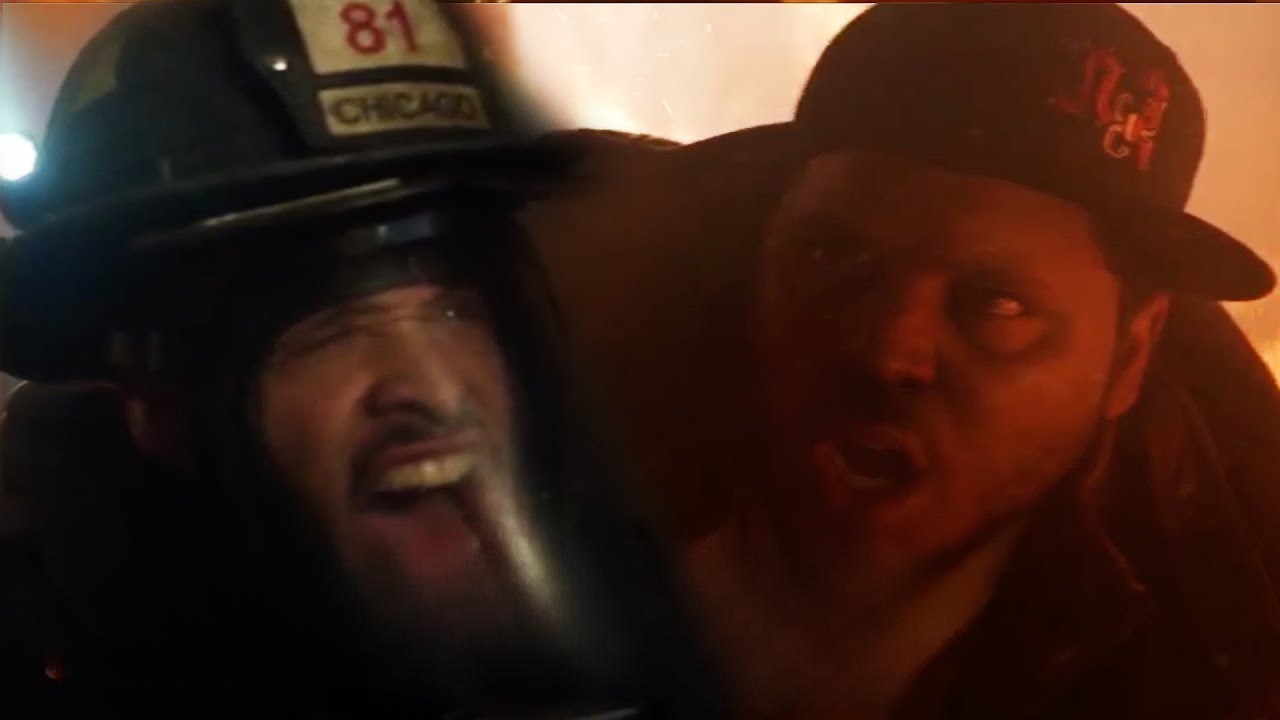
Of course, the biggest storyline ever fan wants to see resolved in a speedy manner as season 15 begins is the resolution to the warehouse fire cliffhanger. We’re only a few weeks into the summer hiatus, and it’s already felt like ages since season 14 ended with the lives of nearly every member of Firehouse 51 on the line.
When season 15 begins this fall, our hope is that the fallout of the finale fire will be addressed head-on and that we won’t have to wait too long to find out the fates of our favorite characters. Hopefully, everyone will make it out alive, but we’re bracing for the fact that there is a very real possibility that someone could be killed off in the opening episode of the season and that death could bring about the exit of a longtime member of the team.
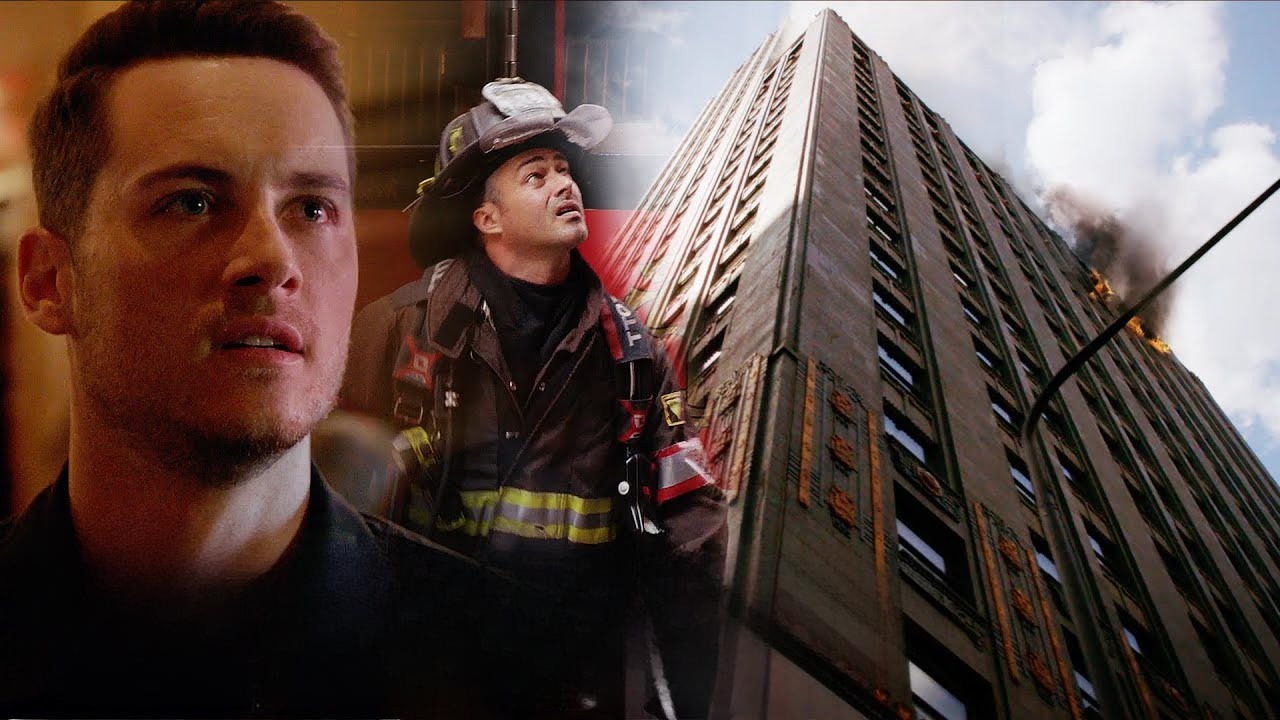
That’s a storyline thread we’re eager to see play out, but there is another storyline we’re hoping will get resolution in season 15.
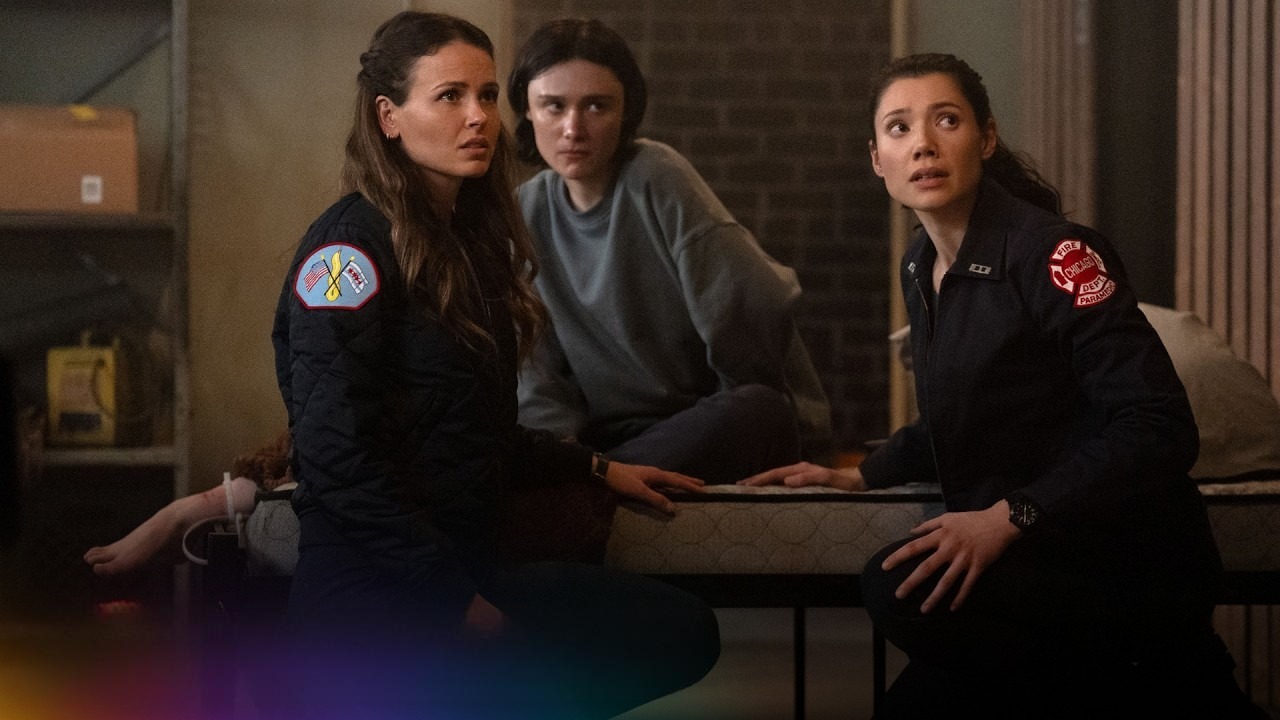
Chicago Fire needs to finally allow Severide and Kidd to start a family in season 15
For the last several seasons, Chicago Fire has been following Severide and Kidd looking into starting a family, and it’s time to finally give viewers a payoff to this storyline.
We’ve seen the pair go through all the ups and downs that can come with trying to start a family, including a heartbreaking miscarriage. While pursuing adoption, Severide and Kidd opened their home to Isaiah by becoming his foster parents while his mom was recovering from severe injuries stemming from a car accident. That storyline seemed to wrap up mid-season before Isaiah returned in the season 14 finale to inform the pair that his mom cannot take care of him, meaning he’ll have to live with Lydia full-time, but what he wants is to live with them both in Chicago.
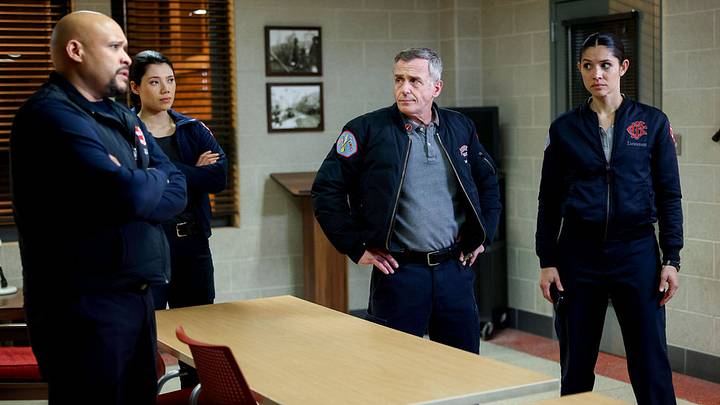
It’s unclear how the Isaiah storyline will play out, but our hope is that it ends with him moving in full-time with Severide and Kidd. We’re ready to see Kidd and Severide begin their family, and they had begun doing so while taking care of Isaiah while he was in their care via the foster system. We’d love to see the trio become an official family unit and get to see Severide and Kidd shift into parenting mode in taking care of him full-time once again.
Now, if the show does not choose to take that route and Severide and Kidd are unable to become Isaiah’s caregivers, we’re going to need them to put this story to bed by taking another path. The show cannot keep dangling a family in front of these two amazing characters and the fans. It’s time to follow through and actually give Severide and Kidd the chance to start a family, no matter how their family comes together for the couple.
As the show has reminded us through its drawn-out approach to the storyline, there are many ways to start a family. It’s time the writers pick one and stick with it.
The Big One | Chicago Fire
The Big One | Chicago Fire
Firehouse 51 Faces Its Most Dangerous Call Yet
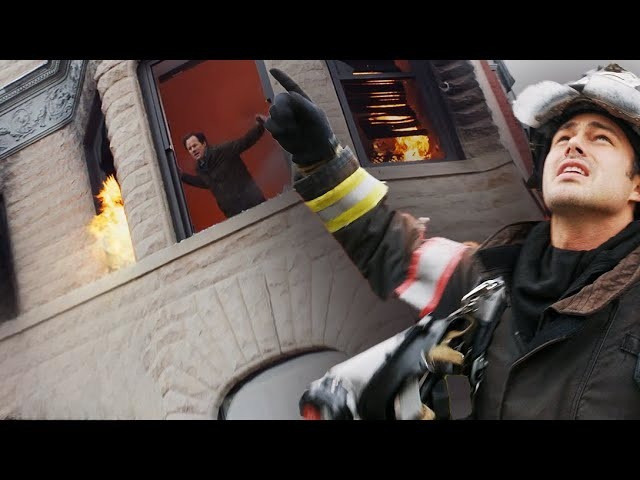
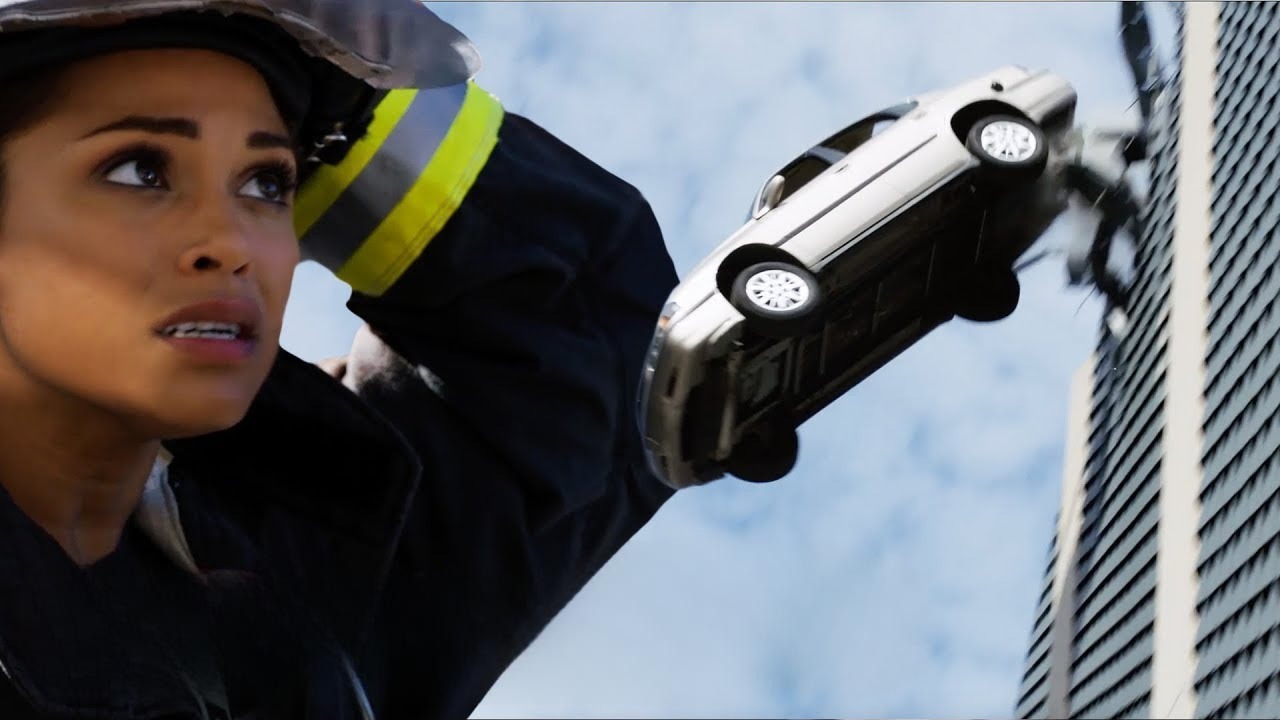
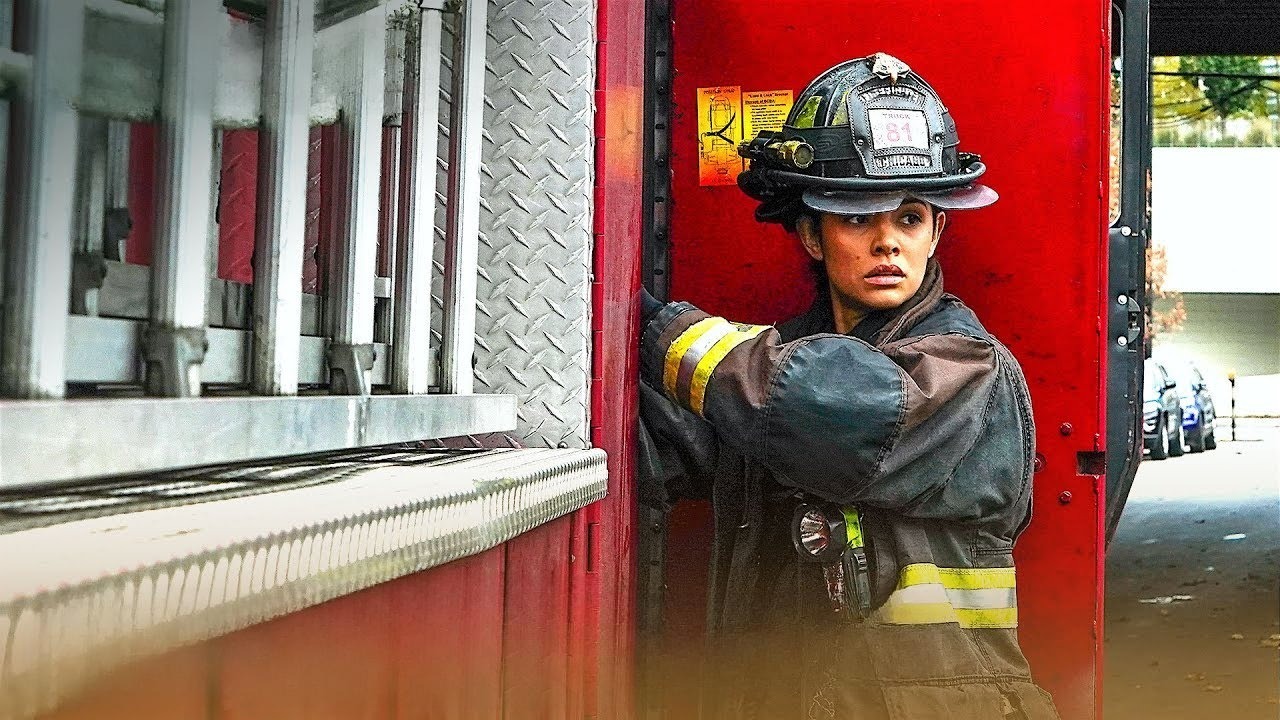
Firehouse 51 has faced collapsing buildings, raging fires, devastating explosions and impossible rescues, but nothing can truly prepare Chicago’s firefighters for the big one.
In a dramatic new chapter of Chicago Fire, a seemingly routine emergency escalates into a major disaster, pushing the members of Firehouse 51 to their physical and emotional limits. With lives hanging in the balance and danger spreading faster than anyone can control, the firefighters are forced to make split-second decisions that could determine who makes it home.
For the crew, this is more than another difficult shift.
It is the kind of emergency firefighters train for their entire careers.
And when the call finally comes, there is no room for hesitation.
The Alarm That Changes Everything
The shift at Firehouse 51 begins like any other.
The firefighters go about their usual routines, unaware that they are moments away from one of the most demanding emergencies they have ever encountered.
Then the alarm sounds.
At first, the details appear unclear. Dispatch reports a serious incident, but the true scale of the situation only becomes apparent when the crew reaches the scene.
What they find is chaos.
Smoke fills the area.
People are trapped.
Structures have become unstable.
And the danger is continuing to grow.
The firefighters immediately split into teams, each with a specific objective.
Some move toward the most obvious victims.
Others begin searching for anyone who may be trapped inside.
Meanwhile, command has to make an agonising decision about how far the rescue operation can safely go.
Because this time, saving someone else could mean putting a firefighter’s own life at risk.
Firehouse 51 Goes Into Rescue Mode
When disaster strikes, there is no time for fear.
That is one of the defining qualities of Firehouse 51.
The crew knows exactly what is expected of them, even when the situation is changing by the second.
Firefighters move into the danger zone while paramedics prepare outside.
Every second matters.
A trapped victim may only have minutes before conditions become fatal.
A fire can spread unexpectedly.
A damaged structure can collapse without warning.
And one mistake can turn a rescue into another emergency.
The intensity of the situation forces the team to rely on one another more than ever.
Years of working together have taught them how to communicate without wasting precious time.
A glance can be enough.
A shouted warning can change the entire plan.
But even the most experienced firefighters can be caught off guard.
And the big one is about to test every assumption they have made.
A Firefighter Is Put In Serious Danger
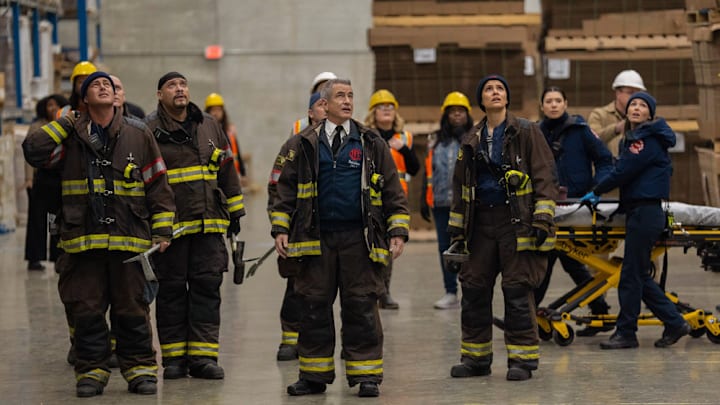
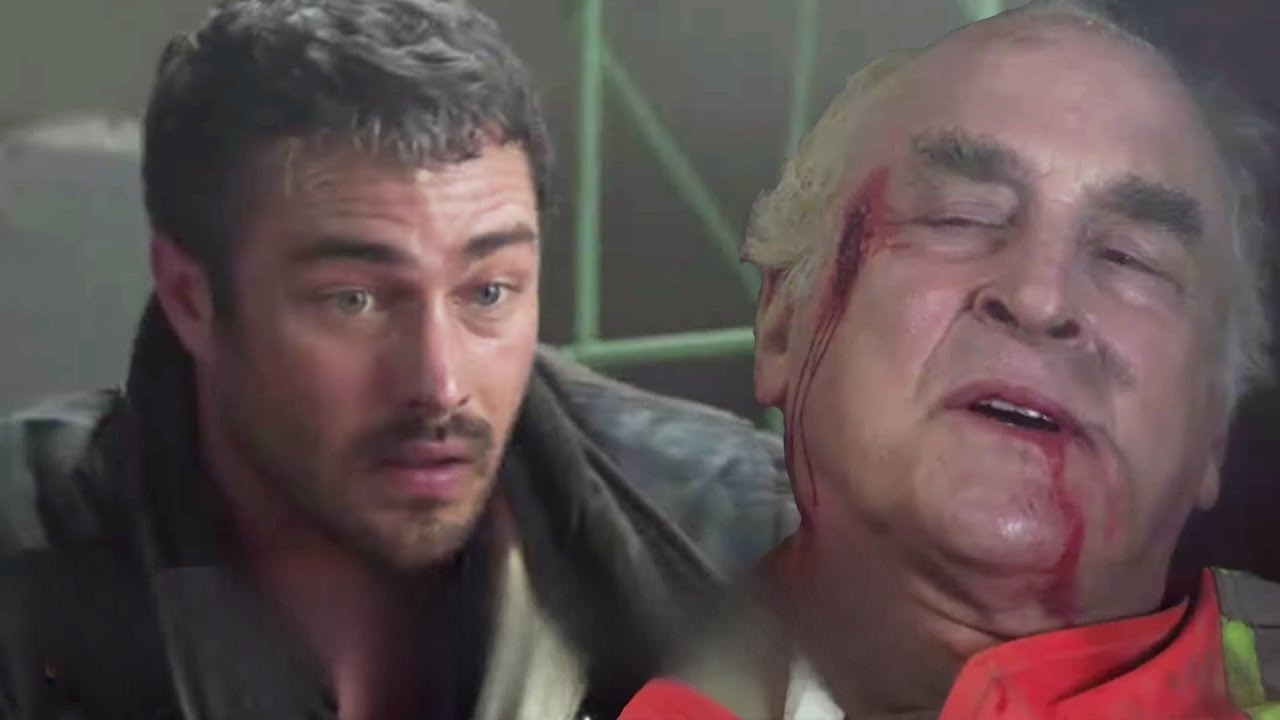
The situation takes a terrifying turn when one of Firehouse 51’s own is suddenly placed in danger.
A rescue operation that initially appears to be under control goes wrong.
Something shifts.
A structure becomes unstable.
Or a sudden flare-up cuts off the firefighter’s escape route.
For the crew outside, the fear is immediate.
They are accustomed to being the people who arrive to save others.
Now one of their own needs rescuing.
The emotional stakes instantly change.
Command has to decide whether to send another firefighter into an already dangerous area.
Waiting could mean losing a colleague.
Moving too quickly could create another casualty.
There may be no perfect choice.
Only the least dangerous one.
The Paramedics Face Their Own Crisis
While the firefighters battle the physical danger, the paramedics face a different kind of pressure.
Victims begin arriving faster than they can be treated.
Some injuries are relatively minor.
Others are critical.
Medical decisions have to be made immediately.
Who receives treatment first?
Who can be moved?
Who needs immediate transport?
And what happens when there are more patients than available resources?
The medical team has to remain focused even as the emotional intensity of the disaster grows.
For the paramedics, the hardest part may be knowing that not everyone can receive the attention they desperately need at the same time.
Every decision carries consequences.
Personal Conflicts Are Put Aside
The firefighters of Firehouse 51 are not always in complete agreement.
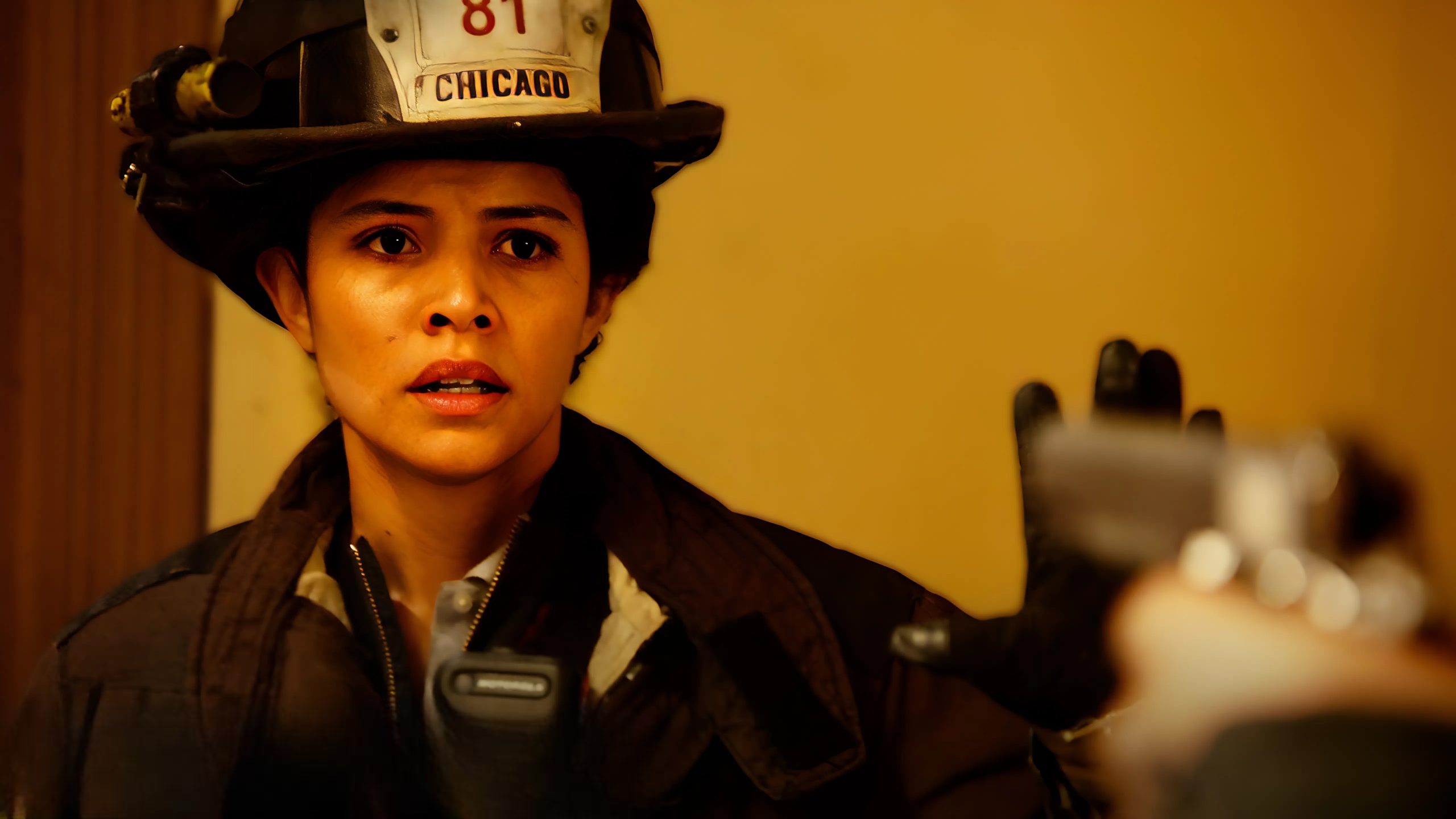
They have different personalities, different experiences and different ways of approaching danger.
But during a major emergency, personal disagreements become irrelevant.
Whatever conflict existed before the call has to wait.
The crew has one objective: save lives.
That sense of unity becomes one of the most powerful aspects of the storyline.
Characters who may have been struggling with personal problems suddenly find themselves relying on one another.
A firefighter who has been questioning their abilities gets an opportunity to prove themselves.
Someone who has been carrying emotional baggage has no choice but to put it aside.
And a character who normally avoids asking for help may finally have to admit that they cannot do everything alone.
A Difficult Decision Changes The Rescue
As the disaster develops, the crew discovers that their original rescue plan is no longer possible.
They need another approach.
That means someone must make a difficult decision.
Do they continue with a dangerous rescue attempt?
Do they wait for additional resources?
Or do they risk entering an unstable area because waiting could cost a victim their life?
The decision could become one of the defining moments of the episode.
Firefighters understand the risks better than anyone.
But understanding the danger does not make it easier to walk away from someone who needs help.
This is the contradiction at the heart of their profession.
They know they cannot save everyone.
They also refuse to stop trying.
The Human Cost Of The Big One
Even after the immediate danger is brought under control, the consequences will remain.
Large-scale emergencies do not simply disappear when the flames are extinguished.
There are families waiting for news.
There are victims trying to understand what happened.
There are firefighters replaying their decisions.
And there are people wondering whether they could have done something differently.
For Firehouse 51, the aftermath may be just as emotional as the rescue itself.
A firefighter could question whether they made the right call.
Another may struggle with the memory of a victim they could not save.
Someone else may realise just how close they came to losing a colleague.
These moments allow Chicago Fire to move beyond spectacle and explore the emotional reality of emergency work.
The Firehouse Comes Together
In the aftermath, Firehouse 51 becomes more than a workplace.
It becomes a support system.
The firefighters understand what their colleagues have experienced because they were there.
They do not need long explanations.
Sometimes sitting together in silence is enough.
Other times, difficult conversations have to happen.
Someone may finally admit that they were frightened.
Another may reveal that they are struggling.
And the team has to recognise that courage does not mean pretending to be unaffected.
The strongest firefighters are often the ones willing to admit when they need support.
What The Big One Means For Firehouse 51
The disaster could leave a lasting mark on the entire team.
The firefighters may return to work, answer new calls and continue doing what they have always done.
But they will remember this one.
Because every firefighter has a call they never forget.
For some, it is the victim they could not reach.
For others, it is the moment they almost lost a colleague.
And sometimes it is the emergency that changes the way they look at their own mortality.
The big one could become that call for Firehouse 51.
What Happens Next?
The aftermath promises to create new emotional challenges for the firefighters and paramedics.
Some may emerge stronger.
Others may realise that they need to make changes in their personal lives.
Relationships could be affected as loved ones struggle with the dangers their family members face every day.
And the crew may become even more protective of one another after coming so close to disaster.
For Firehouse 51, the big one will eventually become another story they tell.
But that does not mean it will be forgotten.
The firefighters will continue answering alarms.
They will continue running toward danger while everyone else runs away.
They will continue saving lives.
Yet every member of the crew will know that the next call could be just as dangerous.
Because in Chicago, emergencies do not wait for anyone to be ready.
And for Firehouse 51, the biggest test may not be surviving the flames.
It may be finding the strength to walk back into the firehouse, face the next alarm and do it all over again.


Be the first to comment on this article!