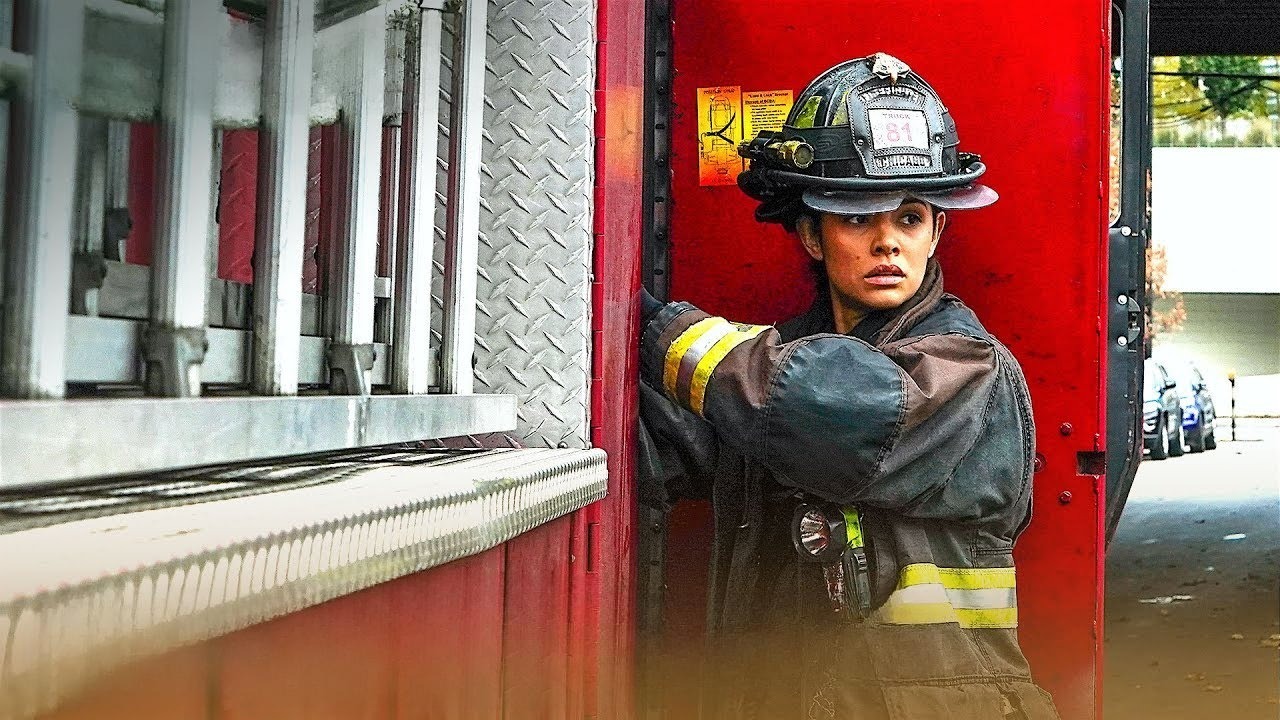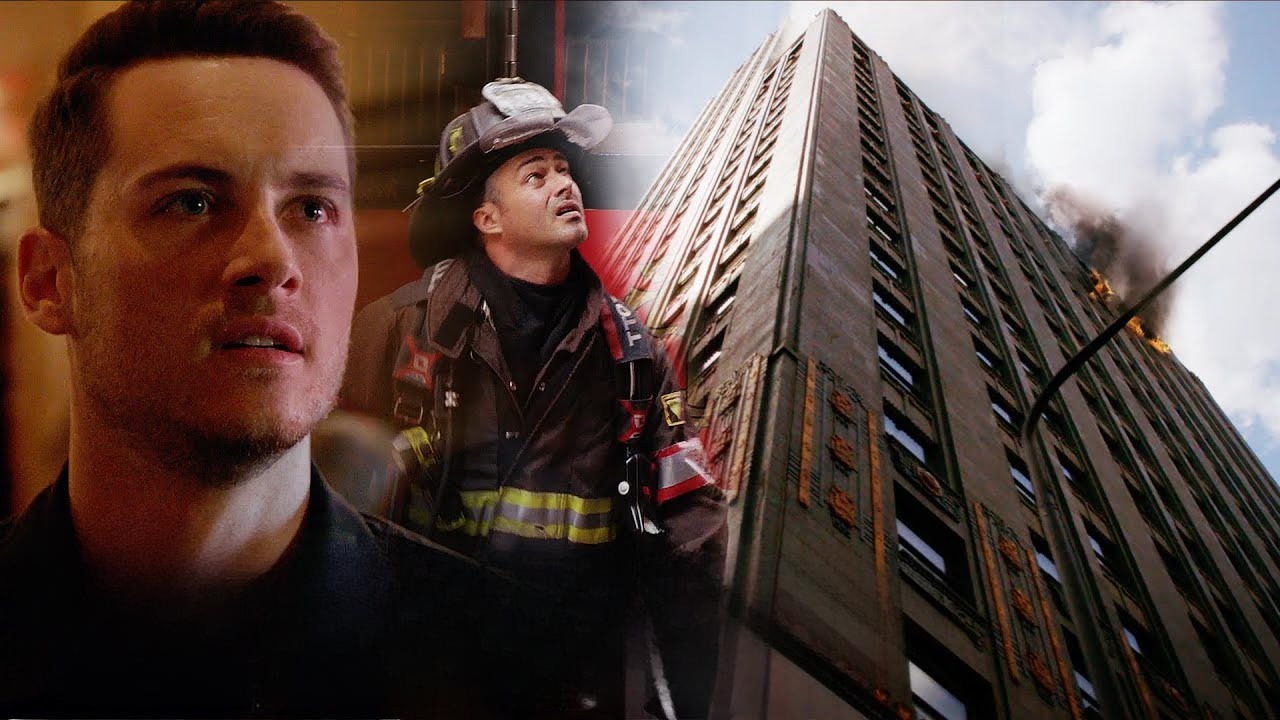
Chicago Fire

Heart-Stopping Rescues: Chicago Fire's Most Courageous Moments

Closest Firefighter Rescues | Chicago Fire

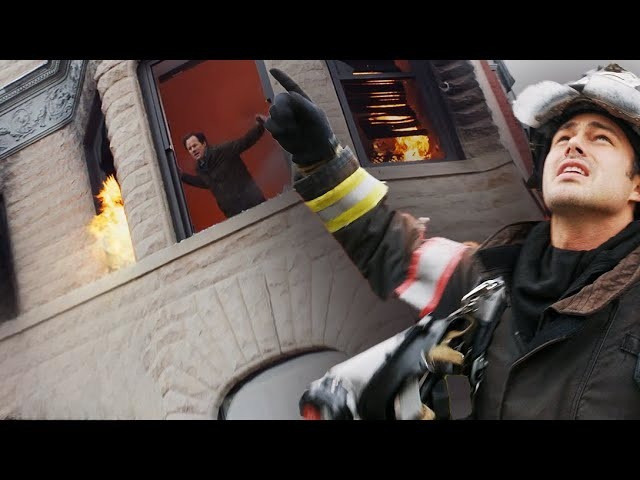
Chicago Fire delivers another high-stakes emergency as a seemingly routine call turns into a desperate rescue, forcing the firefighters of Firehouse 51 to rely on instinct, teamwork and split-second decision-making.

When a life is suddenly in danger, there is no time for hesitation. The closest firefighter becomes the first line of defense, rushing toward the crisis while the rest of the crew races to catch up.

The latest storyline captures what makes Chicago Fire so compelling: ordinary moments can become life-threatening within seconds, and the difference between tragedy and survival can come down to one firefighter making the right choice at exactly the right time.

A Routine Call Takes A Dangerous Turn

The emergency initially appears manageable.

Firefighters are accustomed to arriving at scenes where the situation looks worse than it actually is. But experienced crews also know that appearances can be misleading.

Within moments, the circumstances change.

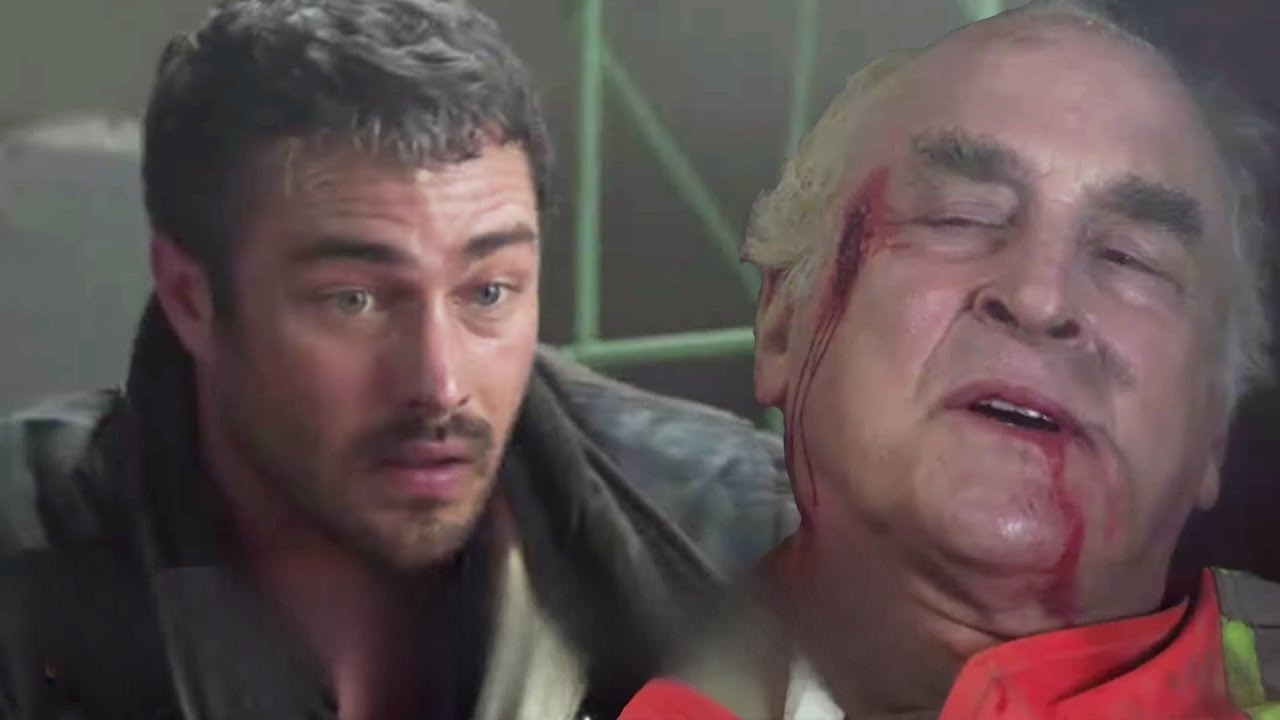
A victim becomes trapped.

The danger escalates.

And suddenly, the firefighter closest to the scene has no choice but to act.

There is no opportunity to wait for the entire team.

Someone needs help immediately.

The First Firefighter On The Scene

The firefighter’s decision to move forward could become the defining moment of the rescue.

Training takes over.

They assess the surroundings, identify the most immediate danger and attempt to reach the victim.

But the situation is unstable.

Smoke may be spreading.

Visibility could be deteriorating.

And the structure itself could present additional risks.

Every step forward becomes a calculated gamble.

The firefighter understands the danger, but the victim’s condition leaves little room for delay.

Early this morning, the GFD deployed a Type 6 Engine (Brush Truck) to support firefighting efforts in Southern California. The crew consists of two GFD firefighters and one firefighter from @pvfpd. They

A Race Against The Clock

For the person trapped inside, every second matters.

The firefighter may have only a limited window to reach them before conditions become significantly worse.

That creates enormous pressure.

The rescue cannot simply be about getting inside.

The firefighter also needs a way to get the victim out safely.

One mistake could put both lives at risk.

The intensity of the moment comes from knowing that there may not be enough time for a second attempt.

Firehouse 51 Responds

As the rest of the crew arrives, the operation becomes a coordinated rescue effort.

Additional firefighters bring equipment, establish safety measures and assess the rapidly changing conditions.

But the firefighter already inside remains the crucial link between the victim and the outside world.

Communication becomes essential.

The team must know exactly where the firefighter is.

They need to understand what conditions they are facing.

And they must be ready to intervene if the situation suddenly deteriorates.

Exciting day as the Chicago Fire Department and Bright BGCC (Boys and Girls Club of Chicago) teamed up for the Firefighter for a Day event! 🚒🔥 Participants got a hands-on experience with

Trust Becomes The Key To Survival

Firehouse 51’s strength has always been its ability to work as a unit.

This rescue puts that trust to the test.

The firefighters cannot afford confusion.

One person gives an instruction.

Another follows it.

A third monitors the conditions.

Every member has a role.

The smallest breakdown in communication could have devastating consequences.

That is why experienced firefighters rely so heavily on one another.

They know that when the pressure becomes overwhelming, trust can be just as important as equipment.

The Victim Is Running Out Of Time

Inside the dangerous environment, the victim may be frightened and disoriented.

The firefighter has to keep them calm while simultaneously dealing with the emergency.

That can be one of the most difficult aspects of rescue work.

A terrified victim may not understand why they cannot simply run toward the exit.

They may panic.

They may struggle to follow instructions.

The firefighter must become both rescuer and source of reassurance.

A Dangerous Obstacle Appears

Just when the rescue seems possible, another complication could emerge.

A blocked exit.

A sudden flare-up.

A structural problem.

Or a dramatic change in visibility could force the firefighter to reconsider the original plan.

That moment could test their experience.

Do they continue forward?

Do they retreat and find another route?

Or do they attempt a more dangerous maneuver to reach the victim?

There may be no perfect answer.

The Rescue Becomes Personal

For the firefighter involved, the victim may begin to feel like more than another emergency call.

Hearing someone frightened and desperate can make the situation emotionally difficult.

But professionalism requires the firefighter to remain focused.

They cannot allow fear to take over.

Their responsibility is to get the victim out.

That determination could drive the rescue forward even as the danger increases.

The Moment Everything Changes

The rescue could reach its most dramatic point when the firefighter finally reaches the victim.

For a brief moment, there may be relief.

But reaching the victim is only half the battle.

Now they have to make it back out.

The firefighter may need to help the victim move through a dangerous environment while carrying or supporting them.

The physical demands become enormous.

And the clock continues to run.

Firehouse 51 Pulls Them To Safety

Who Are the Real Firefighters in Chicago Fire? Tony Ferraris, David Eigenberg

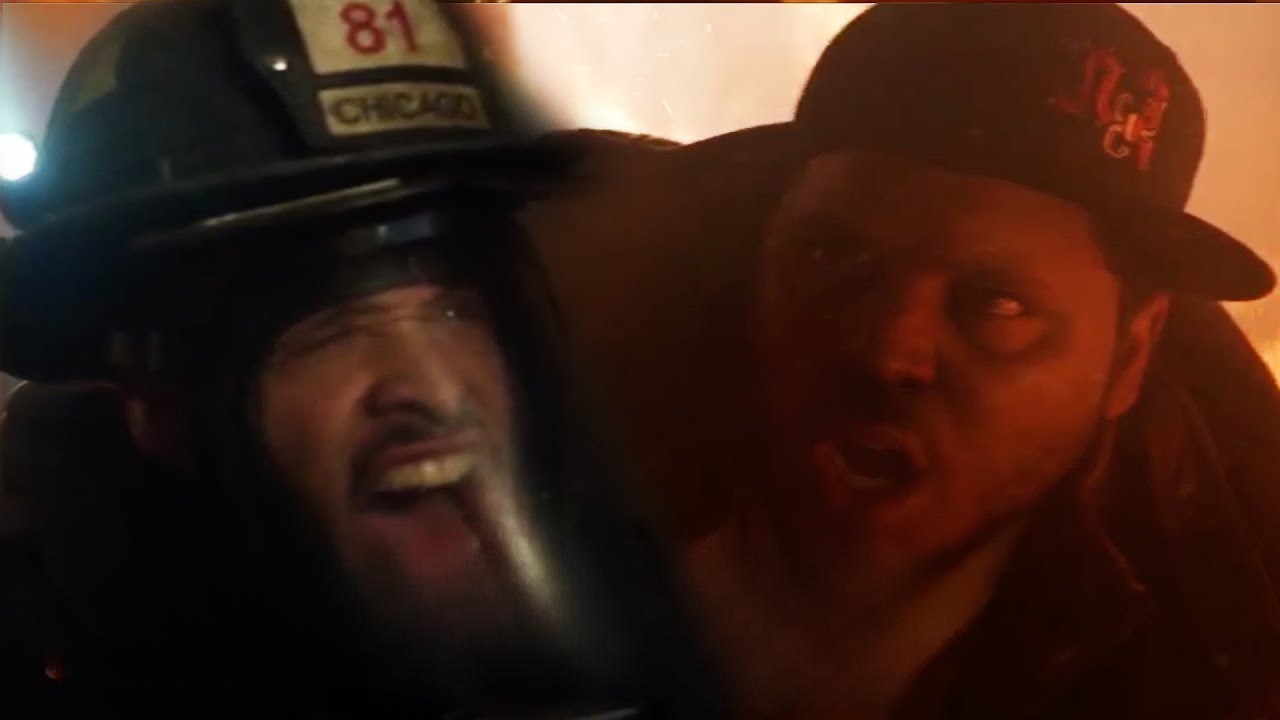
Outside, the rest of the crew waits for their opportunity to intervene.

The moment the firefighter and victim appear, the team moves quickly.

Hands reach forward.

Equipment is deployed.

The victim is brought into a safer area.

The atmosphere changes almost instantly.

The tension that had been building throughout the rescue finally begins to release.

But the firefighters know they still need to assess both themselves and the victim for injuries.

The Emotional Aftermath

Once the emergency ends, the adrenaline begins to fade.

That is often when the emotional reality of what happened becomes clear.

The firefighter may replay the rescue in their mind.

Could they have moved faster?

Did they make the right decision?

Was there another way to reach the victim?

Even a successful rescue can leave a firefighter questioning their choices.

But sometimes, there is no perfect response in an impossible situation.

The fact that the victim survived may be the most important outcome of all.

A Reminder Of Why They Do The Job

The rescue could ultimately reinforce the reason firefighters continue putting themselves in danger.

They know the risks.

They understand what could happen.

Yet when someone needs help, they respond.

That willingness to act is at the heart of Chicago Fire.

The firefighter closest to the danger does not have time to think about being a hero.

They simply see someone who needs to be saved.

And they move.

The Importance Of Teamwork

Although the title focuses on the closest firefighter, the rescue is never truly the work of one person.

Every successful operation depends on the entire team.

Someone drives the truck.

Someone prepares the equipment.

Someone monitors conditions.

Someone provides medical care.

And someone makes sure the firefighter inside has a safe route back out.

That is what makes Firehouse 51 so effective.

The closest firefighter may make the first move, but the team makes the rescue possible.

What Happens Next?

The latest emergency could leave the firefighter and the rest of Firehouse 51 reflecting on just how quickly a routine call can become a life-or-death situation.

The victim survives, but the rescue may raise difficult questions about risk, responsibility and how far firefighters should go when someone is trapped.

Could the firefighter’s decision come under scrutiny?

Will the experience affect their confidence?

And could another emergency soon force them to confront the same fears all over again?

A Rescue That Shows The Best Of Firehouse 51

The latest Chicago Fire rescue demonstrates why every second matters when lives are on the line. A firefighter closest to the danger makes the crucial first move, entering a rapidly deteriorating situation before the rest of the crew can fully establish control.

What follows is a tense battle against time, smoke and uncertainty.

But the rescue also highlights something equally important: no firefighter truly works alone.

One firefighter may be the first to reach the victim, but it takes the courage, coordination and trust of an entire team to bring everyone home safely.

For Firehouse 51, that bond remains their greatest strength—and when the next alarm sounds, they will once again be ready to run toward the danger.

The Big One | Chicago Fire

The Big One | Chicago Fire

Firehouse 51 Faces Its Most Dangerous Call Yet

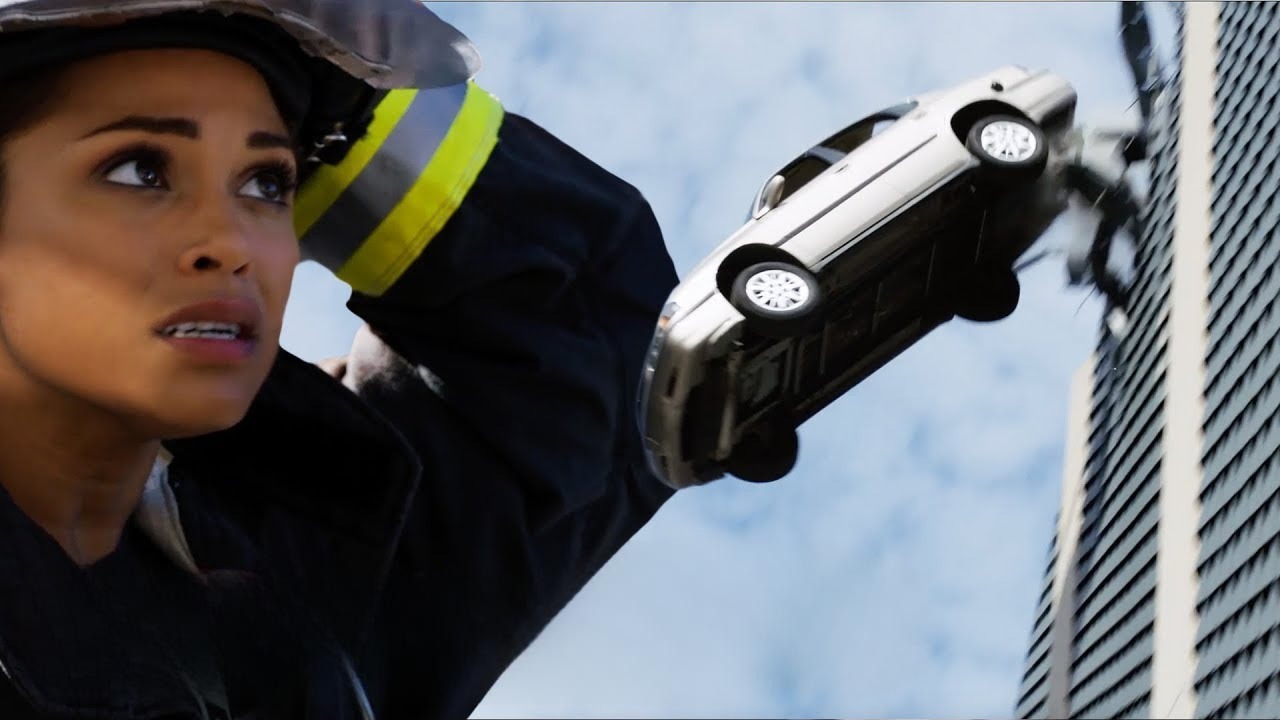
Firehouse 51 has faced collapsing buildings, raging fires, devastating explosions and impossible rescues, but nothing can truly prepare Chicago’s firefighters for the big one.

In a dramatic new chapter of Chicago Fire, a seemingly routine emergency escalates into a major disaster, pushing the members of Firehouse 51 to their physical and emotional limits. With lives hanging in the balance and danger spreading faster than anyone can control, the firefighters are forced to make split-second decisions that could determine who makes it home.

For the crew, this is more than another difficult shift.

It is the kind of emergency firefighters train for their entire careers.

And when the call finally comes, there is no room for hesitation.

The Alarm That Changes Everything

Chicago Fire (TV Series 2012– ) - Episode list - IMDb

The shift at Firehouse 51 begins like any other.

The firefighters go about their usual routines, unaware that they are moments away from one of the most demanding emergencies they have ever encountered.

Then the alarm sounds.

At first, the details appear unclear. Dispatch reports a serious incident, but the true scale of the situation only becomes apparent when the crew reaches the scene.

What they find is chaos.

Smoke fills the area.

People are trapped.

Structures have become unstable.

And the danger is continuing to grow.

The firefighters immediately split into teams, each with a specific objective.

Some move toward the most obvious victims.

Others begin searching for anyone who may be trapped inside.

Meanwhile, command has to make an agonising decision about how far the rescue operation can safely go.

Because this time, saving someone else could mean putting a firefighter’s own life at risk.

Firehouse 51 Goes Into Rescue Mode

When disaster strikes, there is no time for fear.

That is one of the defining qualities of Firehouse 51.

The crew knows exactly what is expected of them, even when the situation is changing by the second.

Firefighters move into the danger zone while paramedics prepare outside.

Every second matters.

A trapped victim may only have minutes before conditions become fatal.

A fire can spread unexpectedly.

A damaged structure can collapse without warning.

And one mistake can turn a rescue into another emergency.

The intensity of the situation forces the team to rely on one another more than ever.

Years of working together have taught them how to communicate without wasting precious time.

A glance can be enough.

A shouted warning can change the entire plan.

But even the most experienced firefighters can be caught off guard.

And the big one is about to test every assumption they have made.

A Firefighter Is Put In Serious Danger
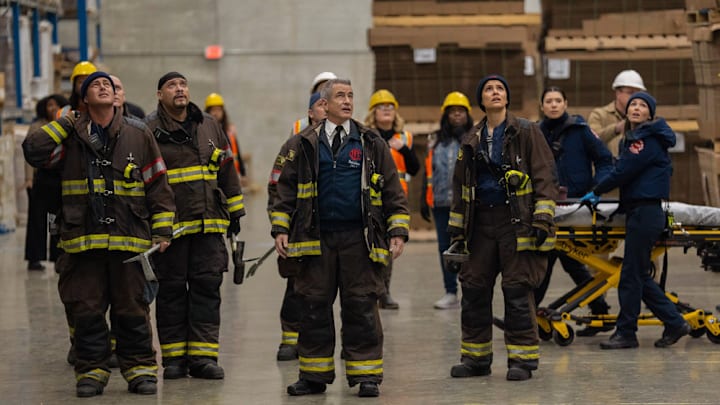
Chicago Fire is losing two more members of Firehouse 51

The situation takes a terrifying turn when one of Firehouse 51’s own is suddenly placed in danger.

A rescue operation that initially appears to be under control goes wrong.

Something shifts.

A structure becomes unstable.

Or a sudden flare-up cuts off the firefighter’s escape route.

For the crew outside, the fear is immediate.

They are accustomed to being the people who arrive to save others.

Now one of their own needs rescuing.

The emotional stakes instantly change.

Command has to decide whether to send another firefighter into an already dangerous area.

Waiting could mean losing a colleague.

Moving too quickly could create another casualty.

There may be no perfect choice.

Only the least dangerous one.

The Paramedics Face Their Own Crisis

While the firefighters battle the physical danger, the paramedics face a different kind of pressure.

Victims begin arriving faster than they can be treated.

Some injuries are relatively minor.

Others are critical.

Medical decisions have to be made immediately.

Who receives treatment first?

Who can be moved?

Who needs immediate transport?

And what happens when there are more patients than available resources?

The medical team has to remain focused even as the emotional intensity of the disaster grows.

For the paramedics, the hardest part may be knowing that not everyone can receive the attention they desperately need at the same time.

Every decision carries consequences.

Personal Conflicts Are Put Aside

Melhor drama para quem ama histórias de resgate

The firefighters of Firehouse 51 are not always in complete agreement.
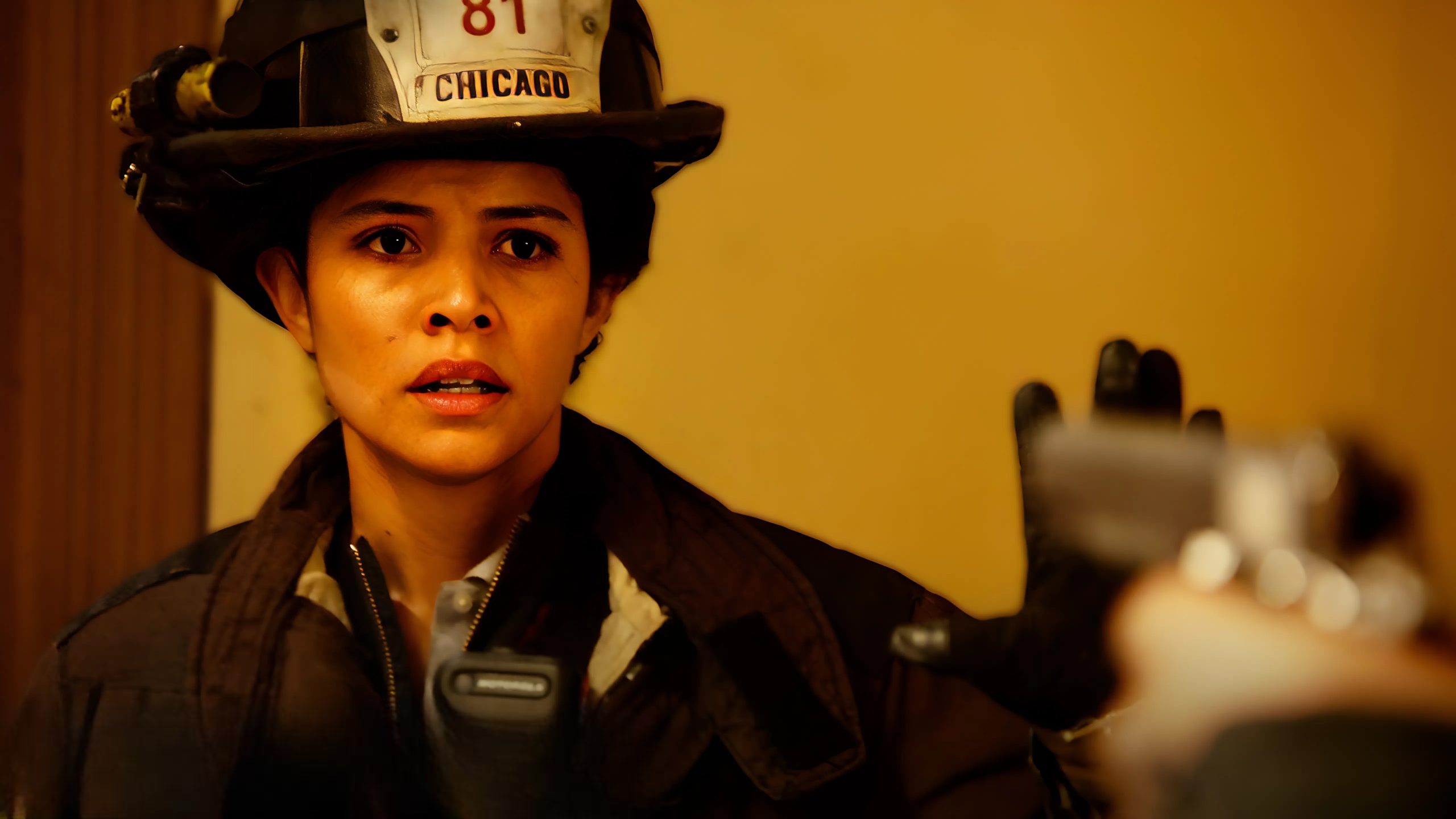
They have different personalities, different experiences and different ways of approaching danger.

But during a major emergency, personal disagreements become irrelevant.

Whatever conflict existed before the call has to wait.

The crew has one objective: save lives.

That sense of unity becomes one of the most powerful aspects of the storyline.

Characters who may have been struggling with personal problems suddenly find themselves relying on one another.

A firefighter who has been questioning their abilities gets an opportunity to prove themselves.

Someone who has been carrying emotional baggage has no choice but to put it aside.

And a character who normally avoids asking for help may finally have to admit that they cannot do everything alone.

A Difficult Decision Changes The Rescue

As the disaster develops, the crew discovers that their original rescue plan is no longer possible.

They need another approach.

That means someone must make a difficult decision.

Do they continue with a dangerous rescue attempt?

Do they wait for additional resources?

Or do they risk entering an unstable area because waiting could cost a victim their life?

The decision could become one of the defining moments of the episode.

Firefighters understand the risks better than anyone.

But understanding the danger does not make it easier to walk away from someone who needs help.

This is the contradiction at the heart of their profession.

They know they cannot save everyone.

They also refuse to stop trying.

The Human Cost Of The Big One

Even after the immediate danger is brought under control, the consequences will remain.

Large-scale emergencies do not simply disappear when the flames are extinguished.

There are families waiting for news.

There are victims trying to understand what happened.

There are firefighters replaying their decisions.

And there are people wondering whether they could have done something differently.

For Firehouse 51, the aftermath may be just as emotional as the rescue itself.

A firefighter could question whether they made the right call.

Another may struggle with the memory of a victim they could not save.

Someone else may realise just how close they came to losing a colleague.

These moments allow Chicago Fire to move beyond spectacle and explore the emotional reality of emergency work.

The Firehouse Comes Together

In the aftermath, Firehouse 51 becomes more than a workplace.

It becomes a support system.

The firefighters understand what their colleagues have experienced because they were there.

They do not need long explanations.

Sometimes sitting together in silence is enough.

Other times, difficult conversations have to happen.

Someone may finally admit that they were frightened.

Another may reveal that they are struggling.

And the team has to recognise that courage does not mean pretending to be unaffected.

The strongest firefighters are often the ones willing to admit when they need support.

What The Big One Means For Firehouse 51

The disaster could leave a lasting mark on the entire team.

The firefighters may return to work, answer new calls and continue doing what they have always done.

But they will remember this one.

Because every firefighter has a call they never forget.

For some, it is the victim they could not reach.

For others, it is the moment they almost lost a colleague.

And sometimes it is the emergency that changes the way they look at their own mortality.

The big one could become that call for Firehouse 51.

What Happens Next?

The aftermath promises to create new emotional challenges for the firefighters and paramedics.

Some may emerge stronger.

Others may realise that they need to make changes in their personal lives.

Relationships could be affected as loved ones struggle with the dangers their family members face every day.

And the crew may become even more protective of one another after coming so close to disaster.

For Firehouse 51, the big one will eventually become another story they tell.

But that does not mean it will be forgotten.

The firefighters will continue answering alarms.

They will continue running toward danger while everyone else runs away.

They will continue saving lives.

Yet every member of the crew will know that the next call could be just as dangerous.

Because in Chicago, emergencies do not wait for anyone to be ready.

And for Firehouse 51, the biggest test may not be surviving the flames.

It may be finding the strength to walk back into the firehouse, face the next alarm and do it all over again.
Alex

Alex

Our dedicated editorial team bringing you the latest breaking news, exclusive interviews, and in-depth analysis from the world of entertainment, Hollywood, and pop culture.

Join the Conversation (0)

Be the first to comment on this article!