
Chicago Med fans are a loyal bunch, but that’s something you can certainly say about the entire One Chicago fandom. When it comes to procedurals of the firefighter, medical, and police subgenres, NBC’s franchise sure as the market covered. Over the years, Chicago Med has grown into one of the best medical dramas on television and we simply can’t look away.
But there’s still a long wait in store until Chicago Med season 12 premieres, and if you’re a huge fan of medical dramas, you’re going to need your fix before this fall. There’s a chance that some of the biggest fans of medical dramas have already watched some of the most popular titles in the genre, though some might not have had the time to check out more than Chicago Med.
It’s going to be a long summer waiting for new episodes of Chicago Med, and in case you’re not looking to rewatch the complete series, we’re sharing a list of four of the most binge-worthy, emotionally charged medical dramas that will have you hooked with long seasons and plenty of twists. Let’s get this list started with the mother of all medical dramas!
Grey’s Anatomy
You might think that recommending Grey’s Anatomy would seem ridiculous since it’s been on for two decades and counting. Seriously, the series debuted on ABC back in 2005 and going into season 23, it’s one of the longest-running medical dramas of all time. Grey’s surpassed ER a long time ago, though that’s also another great medical drama that will keep you busy.
For the uninitiated that might be daunted by starting a show wil over 20 seasons, Grey’s Anatomy takes place at perhaps the most dramatic fictional hospital of all time. Grey Sloan Memorial, formerly known as Seattle Grace, is the home to a team of doctors with complicated interpersonal working relationships, and that’s probably putting it lightly.
But aside from the relationship drama that Grey’s became known for in its early days, the series also features some of the most gripping and unimaginable medical cases you have to see to believe. Grey’s Anatomy is available to stream on both Netflix and Hulu on Disney+, and if you’re dedicated enough, there’s a chance you could catch up before the next season premieres.
Code Black
From a series with over 400 episodes to an underrated one with less than 50, the CBS medical drama Code Black deserved for more success than it got. The series premiered back in September 2015 and ran for only three season, ultimately getting canceled in 2018 after a shortened third season.
Marcia Gay Harden headlines the series as Dr. Leanne Rorish, who works in the overcrowded and unfortunately understaffed emergency room at Angels Memorial Hospital. Dr. Rorish works alongside a team of residents to give their patients the best care possible.
In addition to Harden in the leading role, the Code Black cast also featured Raza Jaffrey, Bonnie Somerville, Melanie Chandra, William Allen Young, Harry Ford, Benjamin Hollingsworth, Luis Guzmán, and many others, including Rob Lowe. Currently, all three seasons are available to stream on Prime Video.
The Resident
Another series that doesn’t have quite as many seasons as Grey’s Anatomy or ER, the Fox medical drama The Resident was an instant fan-favorite when it premiered in 2018, thanks in part to its beloved leading stars Matt Czuchry and Emily VanCamp.
The Resident takes place at the Chastain Park Memorial Hospital in Atlanta, Georgia and centers on Czuchry’s no-nonsense resident Dr. Conrad Theodore Hawkins as he tackles the leading issue plaguing the healthcare industry and holding his hospital back.
Throughout its six seasons on the air, The Resident cycled through a number of cast members but never once sacrificed incredible storytelling that keeps you on the edge of your seat. It’s unfortunate that it didn’t last longer, but it’s still a bingeable favorite on Hulu (and Disney+).
The Pitt
Diverging from medical dramas that air on broadcast networks, the genre has finally found its footing in the streaming era thanks to the HBO Max original The Pitt. Like Grey’s, it’s unimaginable to think that there are any fans of the genre that haven’t watched yet, but sometimes you need a good push.
From the same team that brought us ER, including one of its stars Noah Wyle, The Pitt takes place at a busy trauma medical center in Pittsburgh, Pennsylvania as a team of doctors and nurses work grueling 12-hour shifts to save patients’ lives. A unique aspect of this particular medical drama is that each 15-episode season centers on a single emergency room shift in real time.
The Pitt won the Emmy Award for Outstanding Drama Series and looks to be in strong contention to continue that trend with its second season. HBO Max already renewed the show for season 3, which is now in production. Get into the show that everyone can’t stop raving about!
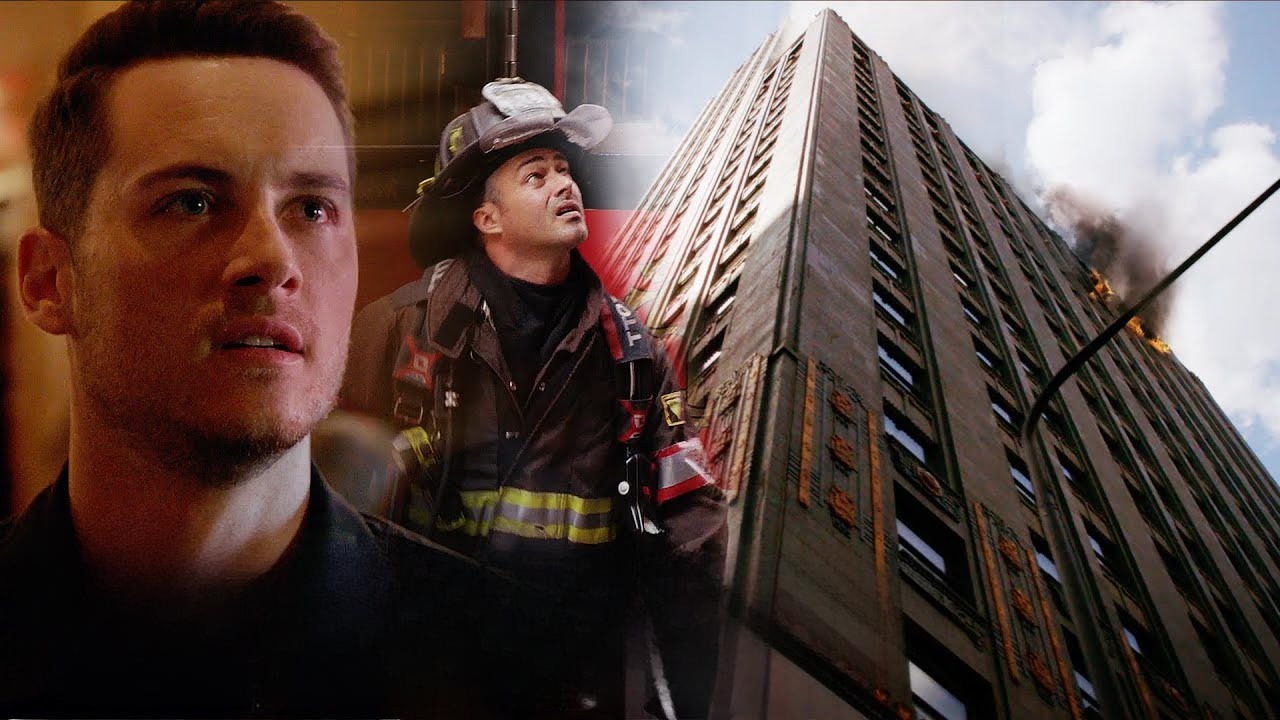
The Big One | Chicago Fire
The Big One | Chicago Fire
Firehouse 51 Faces Its Most Dangerous Call Yet
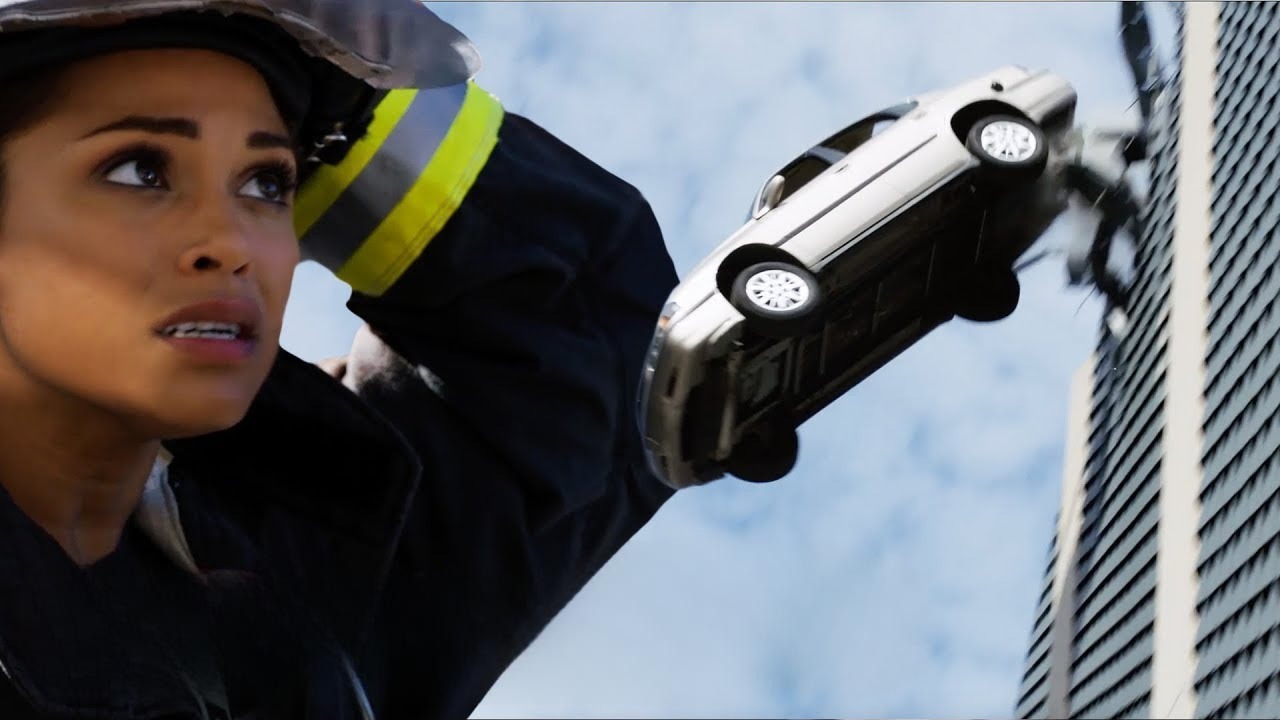
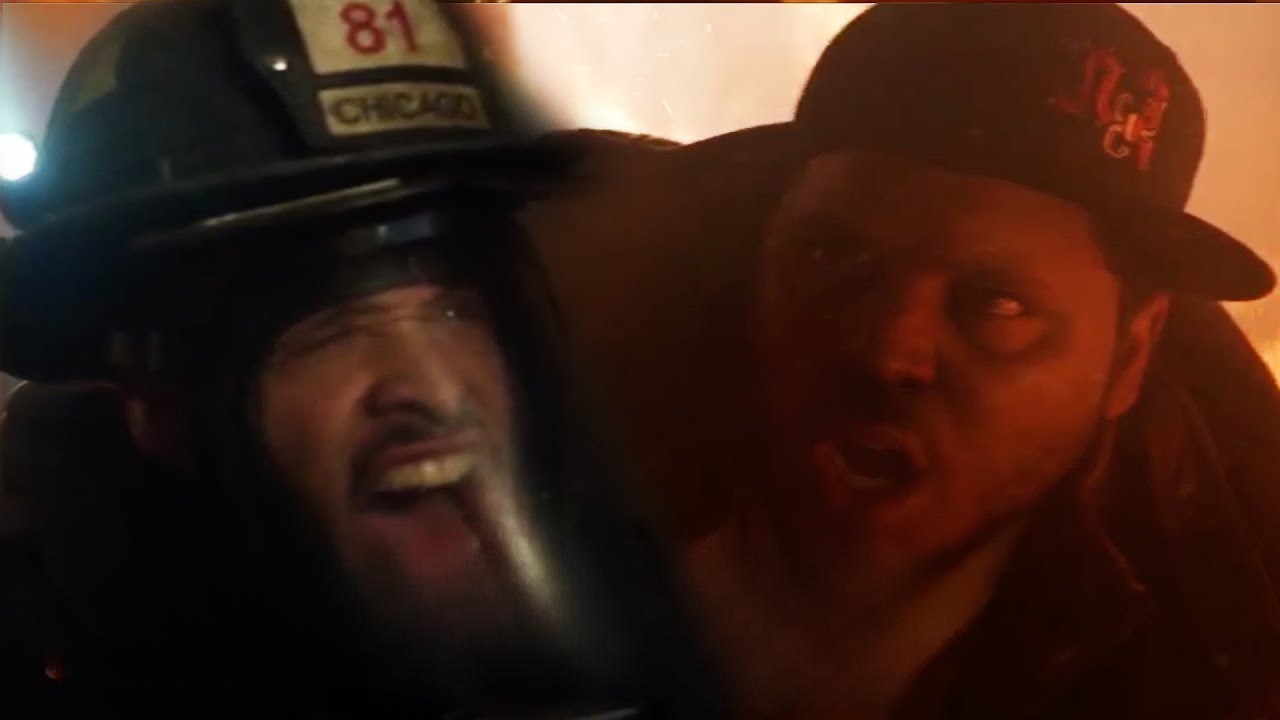
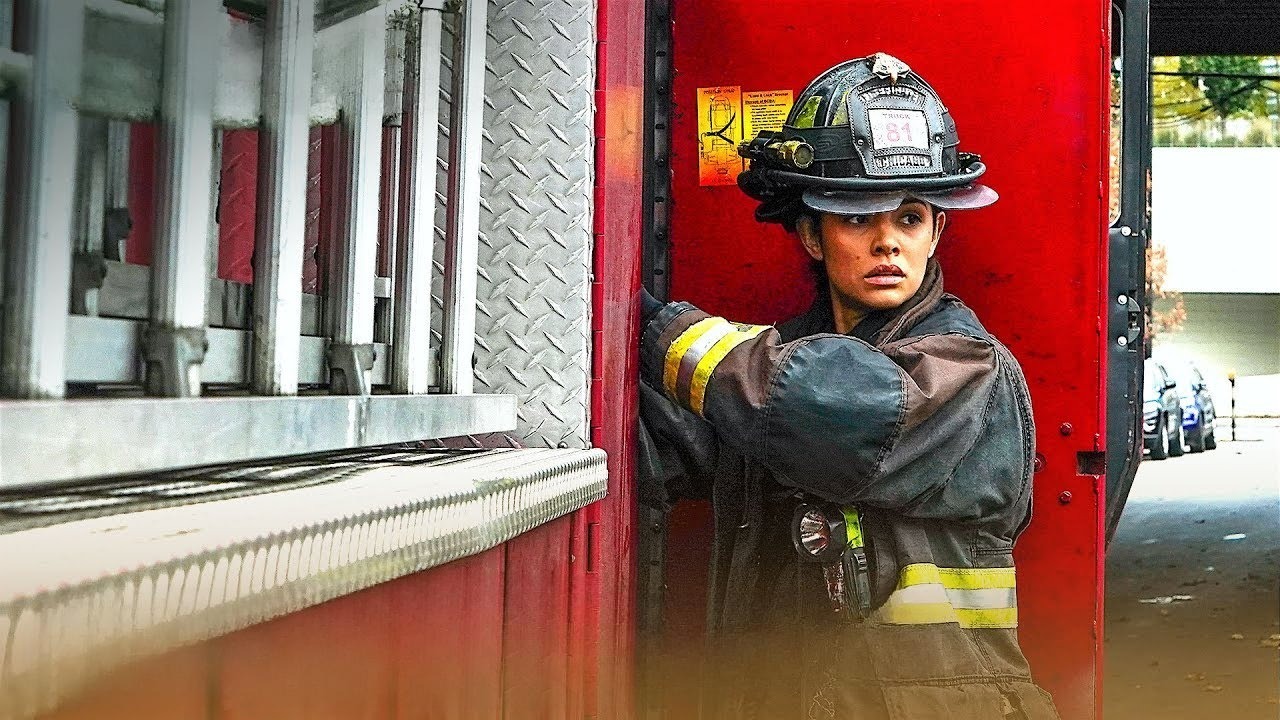
Firehouse 51 has faced collapsing buildings, raging fires, devastating explosions and impossible rescues, but nothing can truly prepare Chicago’s firefighters for the big one.
In a dramatic new chapter of Chicago Fire, a seemingly routine emergency escalates into a major disaster, pushing the members of Firehouse 51 to their physical and emotional limits. With lives hanging in the balance and danger spreading faster than anyone can control, the firefighters are forced to make split-second decisions that could determine who makes it home.
For the crew, this is more than another difficult shift.
It is the kind of emergency firefighters train for their entire careers.
And when the call finally comes, there is no room for hesitation.
The Alarm That Changes Everything
The shift at Firehouse 51 begins like any other.
The firefighters go about their usual routines, unaware that they are moments away from one of the most demanding emergencies they have ever encountered.
Then the alarm sounds.
At first, the details appear unclear. Dispatch reports a serious incident, but the true scale of the situation only becomes apparent when the crew reaches the scene.
What they find is chaos.
Smoke fills the area.
People are trapped.
Structures have become unstable.
And the danger is continuing to grow.
The firefighters immediately split into teams, each with a specific objective.
Some move toward the most obvious victims.
Others begin searching for anyone who may be trapped inside.
Meanwhile, command has to make an agonising decision about how far the rescue operation can safely go.
Because this time, saving someone else could mean putting a firefighter’s own life at risk.
Firehouse 51 Goes Into Rescue Mode
When disaster strikes, there is no time for fear.
That is one of the defining qualities of Firehouse 51.
The crew knows exactly what is expected of them, even when the situation is changing by the second.
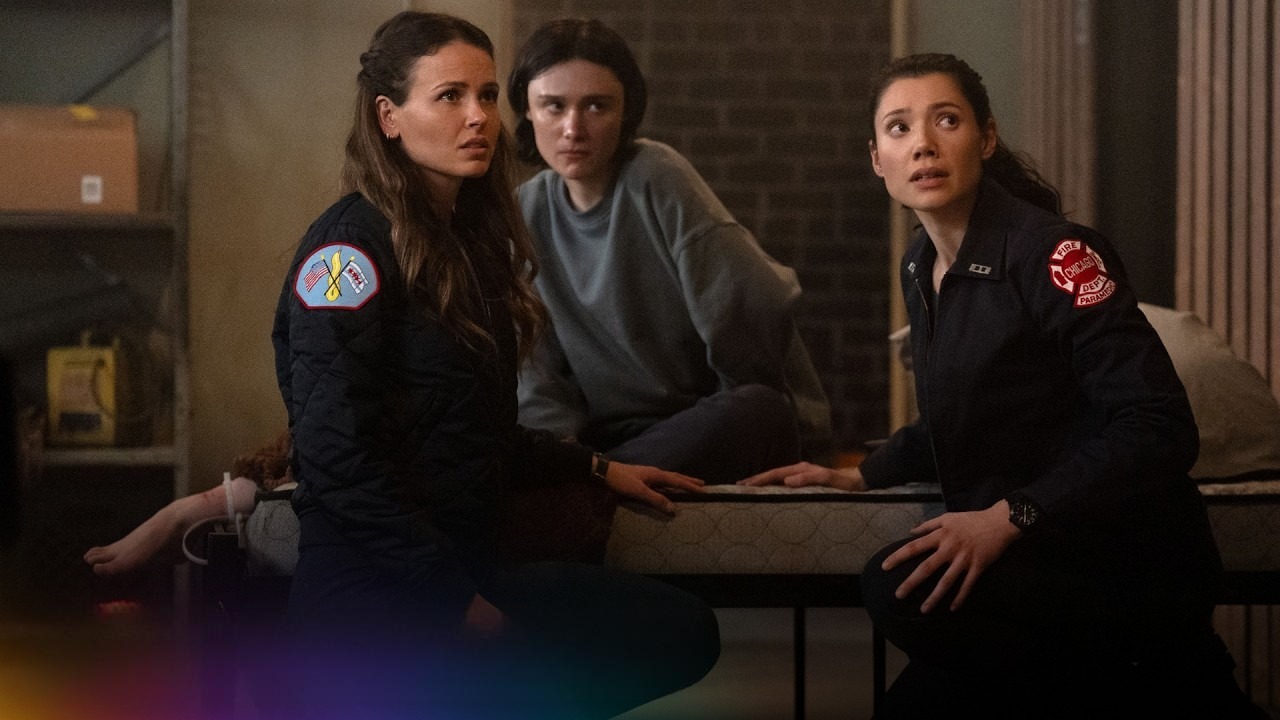
Firefighters move into the danger zone while paramedics prepare outside.
Every second matters.
A trapped victim may only have minutes before conditions become fatal.
A fire can spread unexpectedly.
A damaged structure can collapse without warning.
And one mistake can turn a rescue into another emergency.
The intensity of the situation forces the team to rely on one another more than ever.
Years of working together have taught them how to communicate without wasting precious time.
A glance can be enough.
A shouted warning can change the entire plan.
But even the most experienced firefighters can be caught off guard.
And the big one is about to test every assumption they have made.
A Firefighter Is Put In Serious Danger
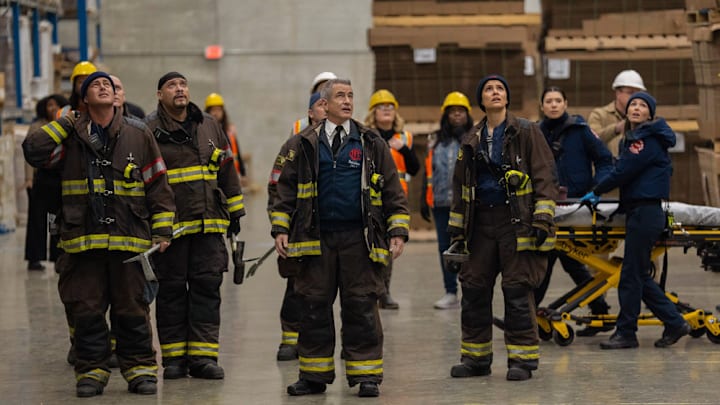
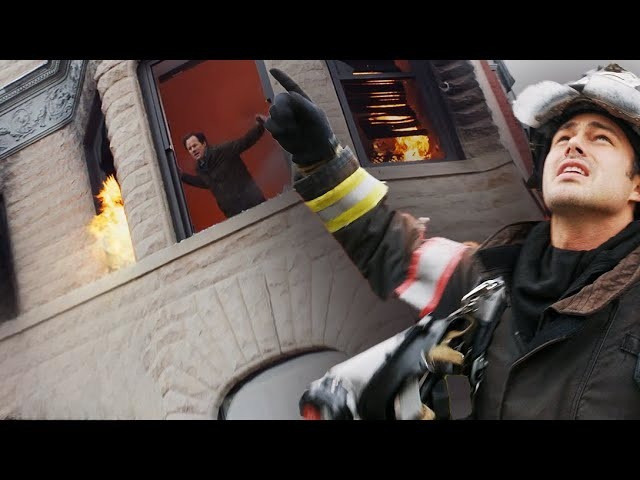
The situation takes a terrifying turn when one of Firehouse 51’s own is suddenly placed in danger.
A rescue operation that initially appears to be under control goes wrong.
Something shifts.
A structure becomes unstable.
Or a sudden flare-up cuts off the firefighter’s escape route.
For the crew outside, the fear is immediate.
They are accustomed to being the people who arrive to save others.
Now one of their own needs rescuing.
The emotional stakes instantly change.
Command has to decide whether to send another firefighter into an already dangerous area.
Waiting could mean losing a colleague.
Moving too quickly could create another casualty.
There may be no perfect choice.
Only the least dangerous one.
The Paramedics Face Their Own Crisis
While the firefighters battle the physical danger, the paramedics face a different kind of pressure.
Victims begin arriving faster than they can be treated.
Some injuries are relatively minor.
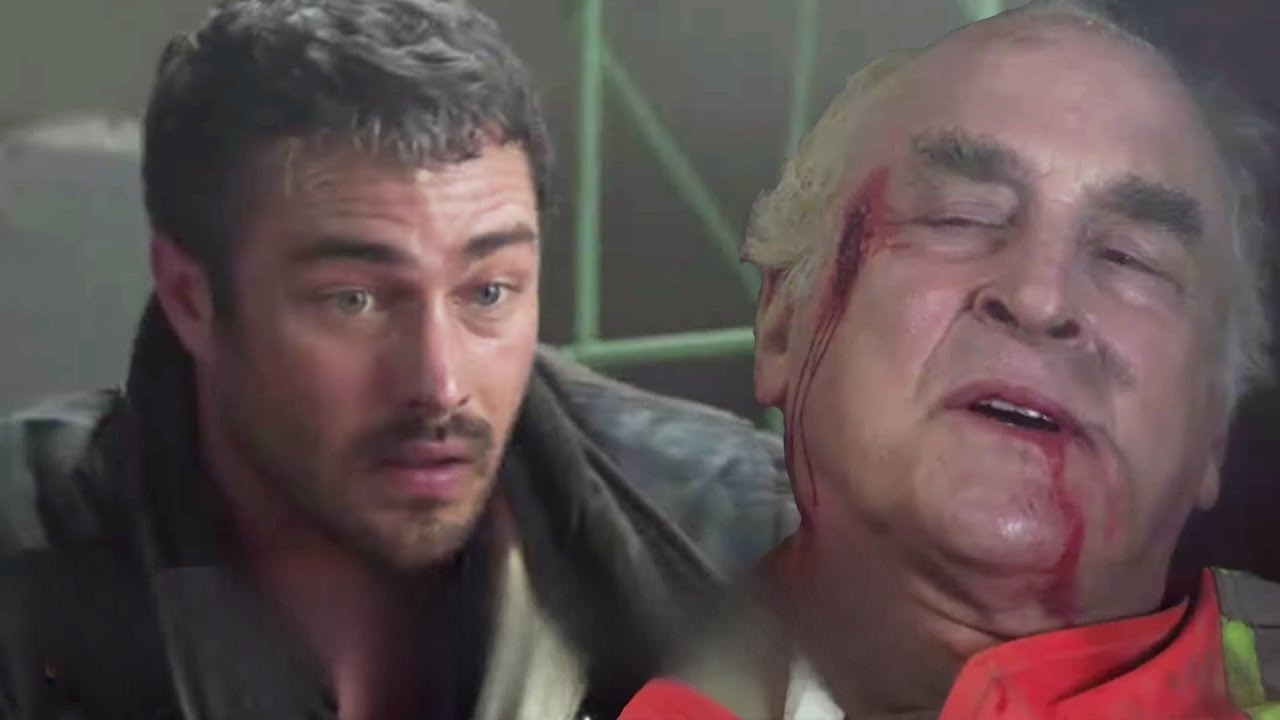
Others are critical.
Medical decisions have to be made immediately.
Who receives treatment first?
Who can be moved?
Who needs immediate transport?
And what happens when there are more patients than available resources?
The medical team has to remain focused even as the emotional intensity of the disaster grows.
For the paramedics, the hardest part may be knowing that not everyone can receive the attention they desperately need at the same time.
Every decision carries consequences.
Personal Conflicts Are Put Aside
The firefighters of Firehouse 51 are not always in complete agreement.
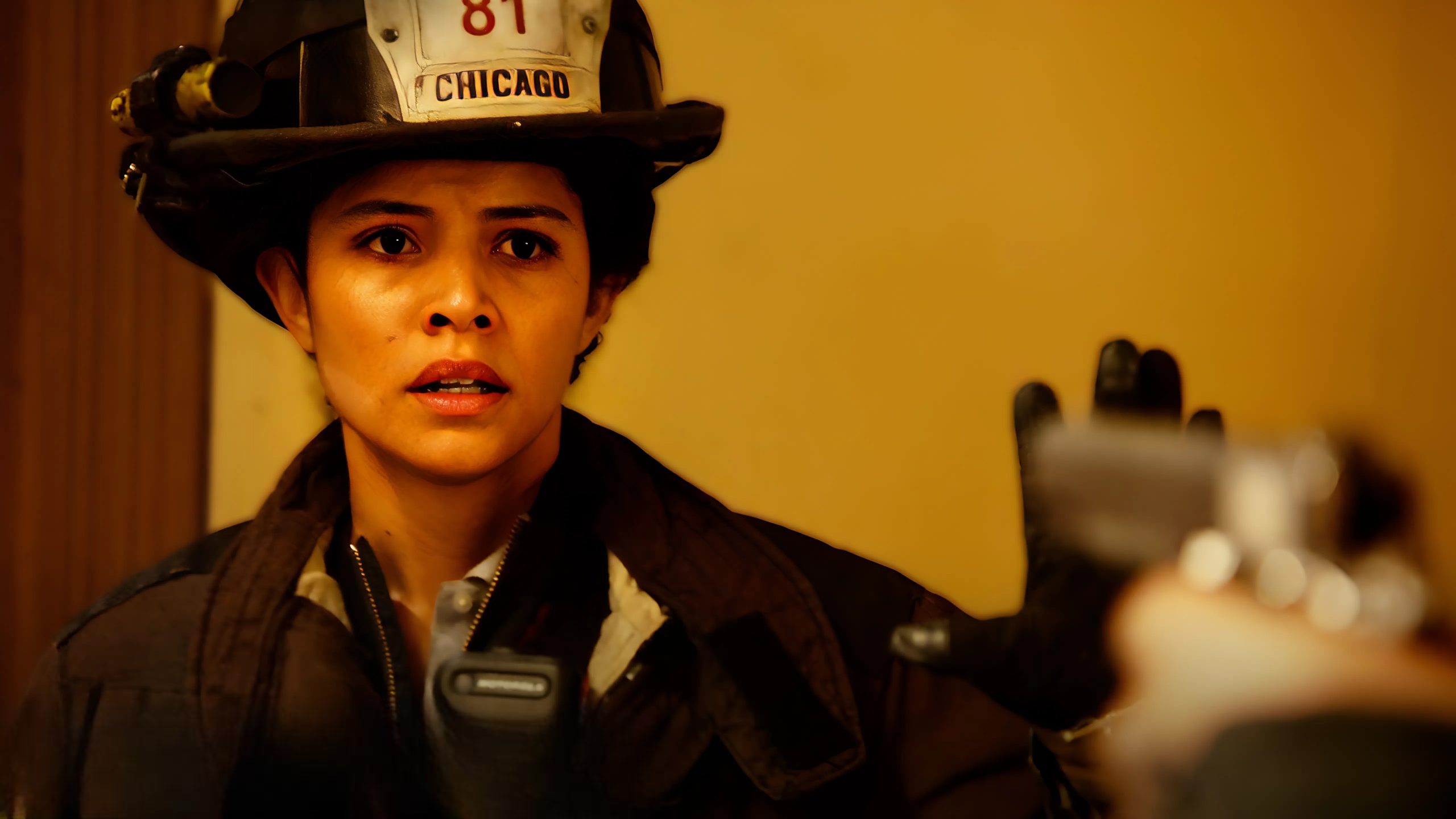
They have different personalities, different experiences and different ways of approaching danger.
But during a major emergency, personal disagreements become irrelevant.
Whatever conflict existed before the call has to wait.
The crew has one objective: save lives.
That sense of unity becomes one of the most powerful aspects of the storyline.
Characters who may have been struggling with personal problems suddenly find themselves relying on one another.
A firefighter who has been questioning their abilities gets an opportunity to prove themselves.
Someone who has been carrying emotional baggage has no choice but to put it aside.
And a character who normally avoids asking for help may finally have to admit that they cannot do everything alone.
A Difficult Decision Changes The Rescue
As the disaster develops, the crew discovers that their original rescue plan is no longer possible.
They need another approach.
That means someone must make a difficult decision.
Do they continue with a dangerous rescue attempt?
Do they wait for additional resources?
Or do they risk entering an unstable area because waiting could cost a victim their life?
The decision could become one of the defining moments of the episode.
Firefighters understand the risks better than anyone.
But understanding the danger does not make it easier to walk away from someone who needs help.
This is the contradiction at the heart of their profession.
They know they cannot save everyone.
They also refuse to stop trying.
The Human Cost Of The Big One
Even after the immediate danger is brought under control, the consequences will remain.
Large-scale emergencies do not simply disappear when the flames are extinguished.
There are families waiting for news.
There are victims trying to understand what happened.
There are firefighters replaying their decisions.
And there are people wondering whether they could have done something differently.
For Firehouse 51, the aftermath may be just as emotional as the rescue itself.
A firefighter could question whether they made the right call.
Another may struggle with the memory of a victim they could not save.
Someone else may realise just how close they came to losing a colleague.
These moments allow Chicago Fire to move beyond spectacle and explore the emotional reality of emergency work.
The Firehouse Comes Together
In the aftermath, Firehouse 51 becomes more than a workplace.
It becomes a support system.
The firefighters understand what their colleagues have experienced because they were there.
They do not need long explanations.
Sometimes sitting together in silence is enough.
Other times, difficult conversations have to happen.
Someone may finally admit that they were frightened.
Another may reveal that they are struggling.
And the team has to recognise that courage does not mean pretending to be unaffected.
The strongest firefighters are often the ones willing to admit when they need support.
What The Big One Means For Firehouse 51
The disaster could leave a lasting mark on the entire team.
The firefighters may return to work, answer new calls and continue doing what they have always done.
But they will remember this one.
Because every firefighter has a call they never forget.
For some, it is the victim they could not reach.
For others, it is the moment they almost lost a colleague.
And sometimes it is the emergency that changes the way they look at their own mortality.
The big one could become that call for Firehouse 51.
What Happens Next?
The aftermath promises to create new emotional challenges for the firefighters and paramedics.
Some may emerge stronger.
Others may realise that they need to make changes in their personal lives.
Relationships could be affected as loved ones struggle with the dangers their family members face every day.
And the crew may become even more protective of one another after coming so close to disaster.
For Firehouse 51, the big one will eventually become another story they tell.
But that does not mean it will be forgotten.
The firefighters will continue answering alarms.
They will continue running toward danger while everyone else runs away.
They will continue saving lives.
Yet every member of the crew will know that the next call could be just as dangerous.
Because in Chicago, emergencies do not wait for anyone to be ready.
And for Firehouse 51, the biggest test may not be surviving the flames.
It may be finding the strength to walk back into the firehouse, face the next alarm and do it all over again.

Be the first to comment on this article!